
Last updated November 23, 2026
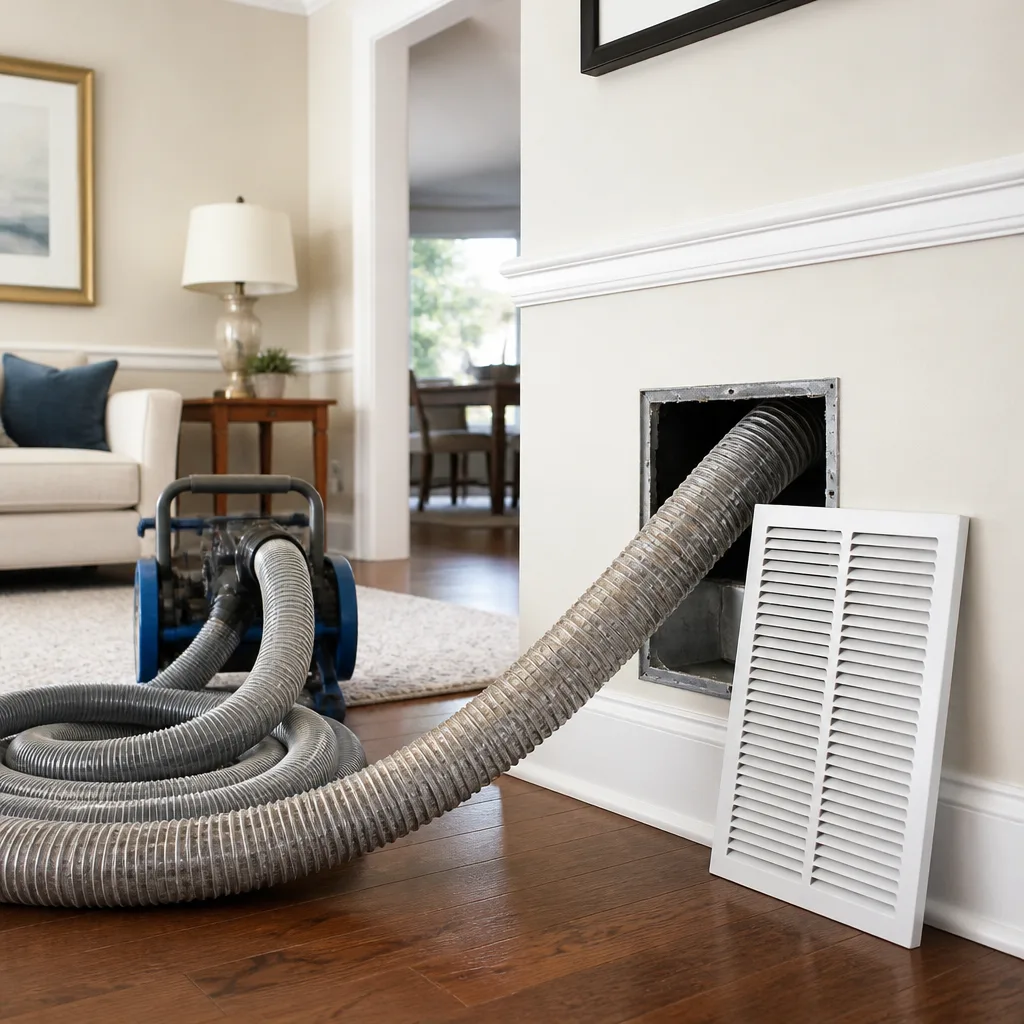 Whole-home duct cleaning
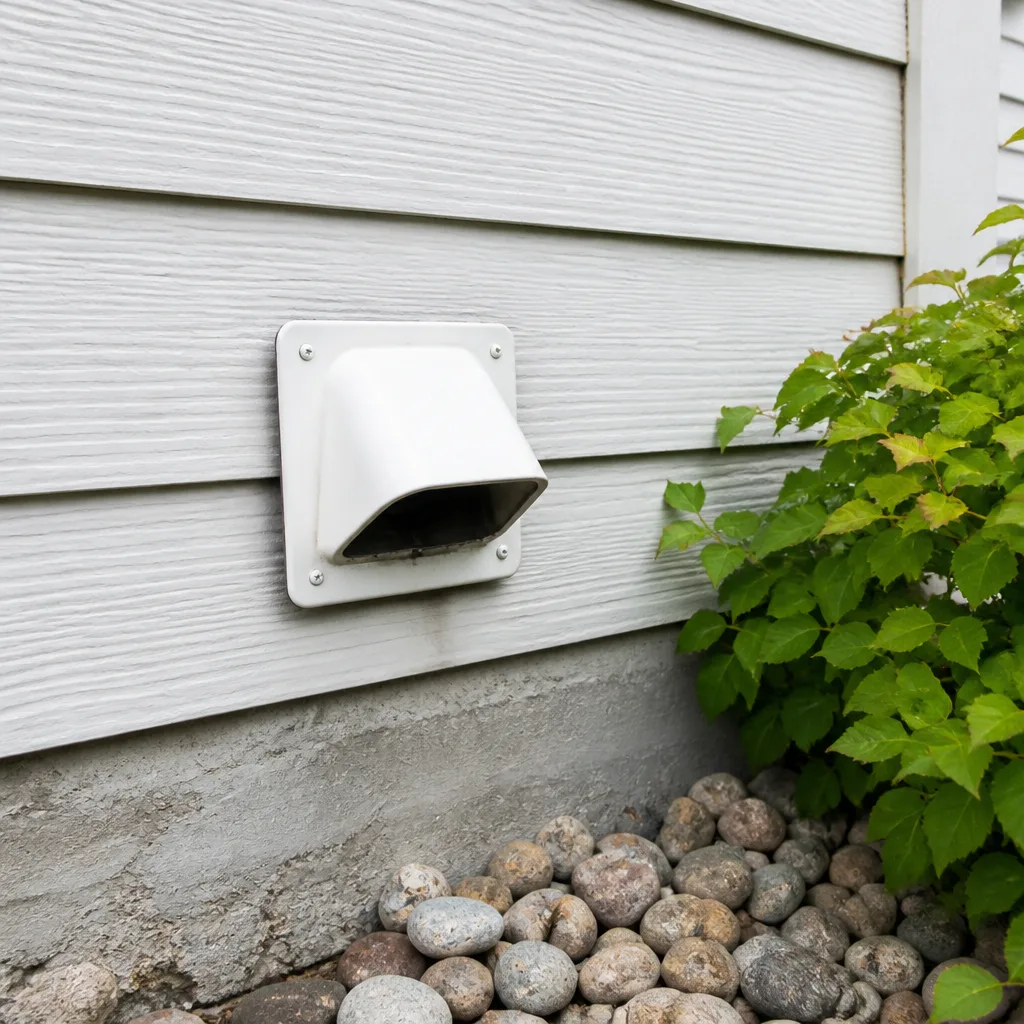 Dryer vent cleaning
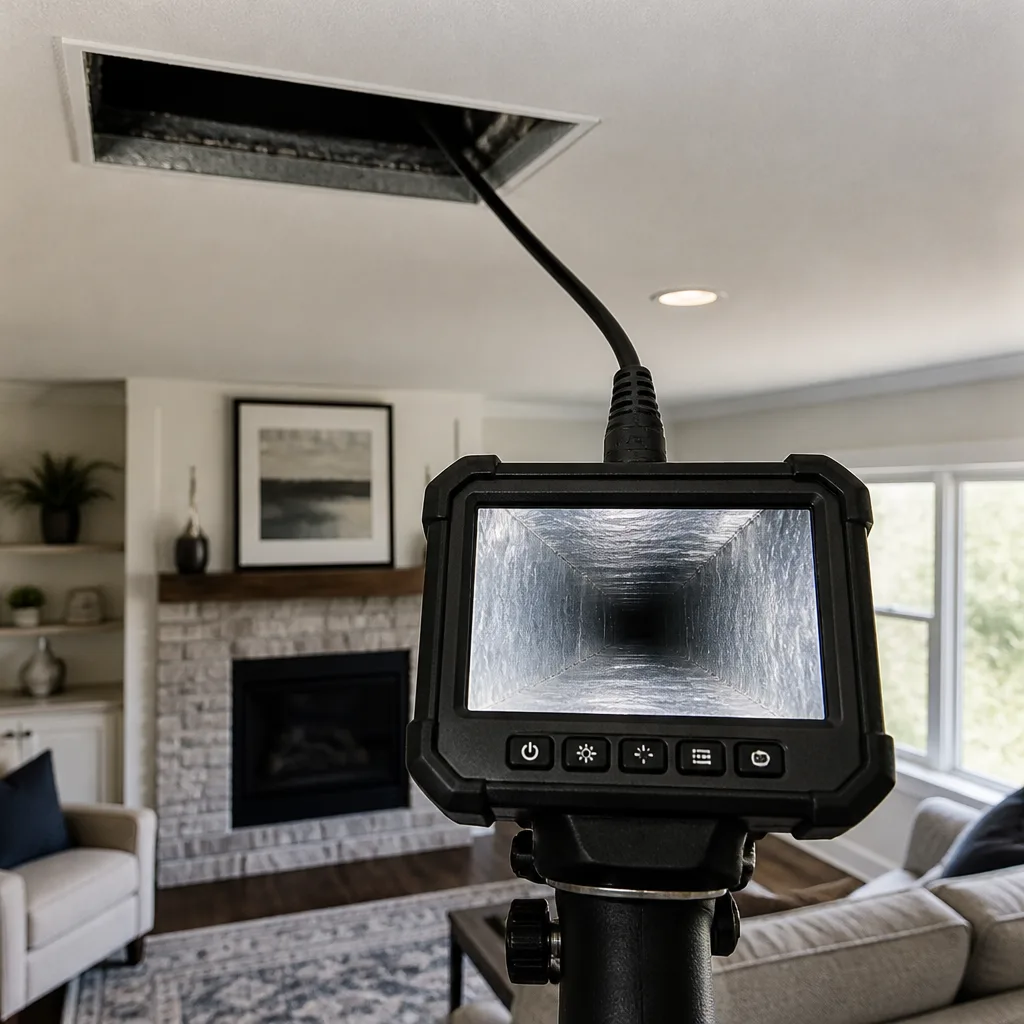 Camera inspection
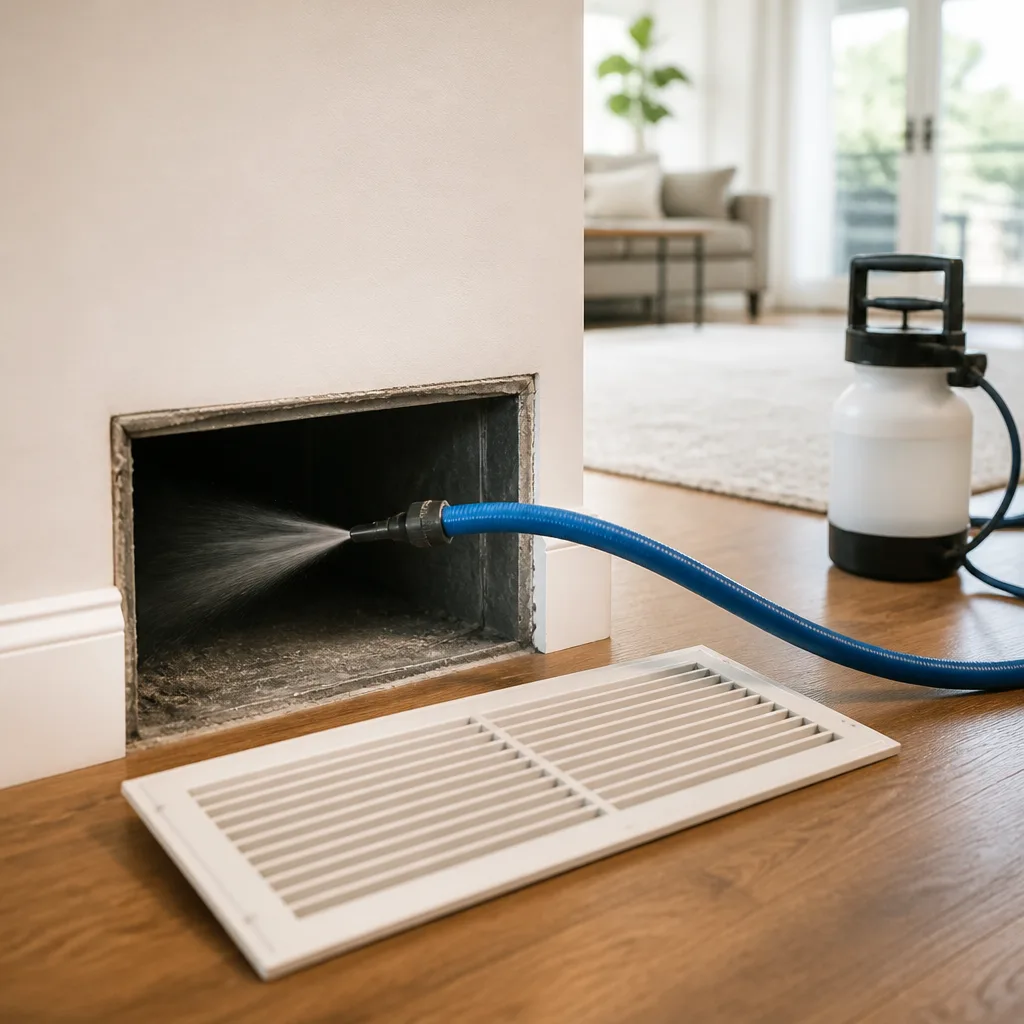 Sanitizing & deodorizing
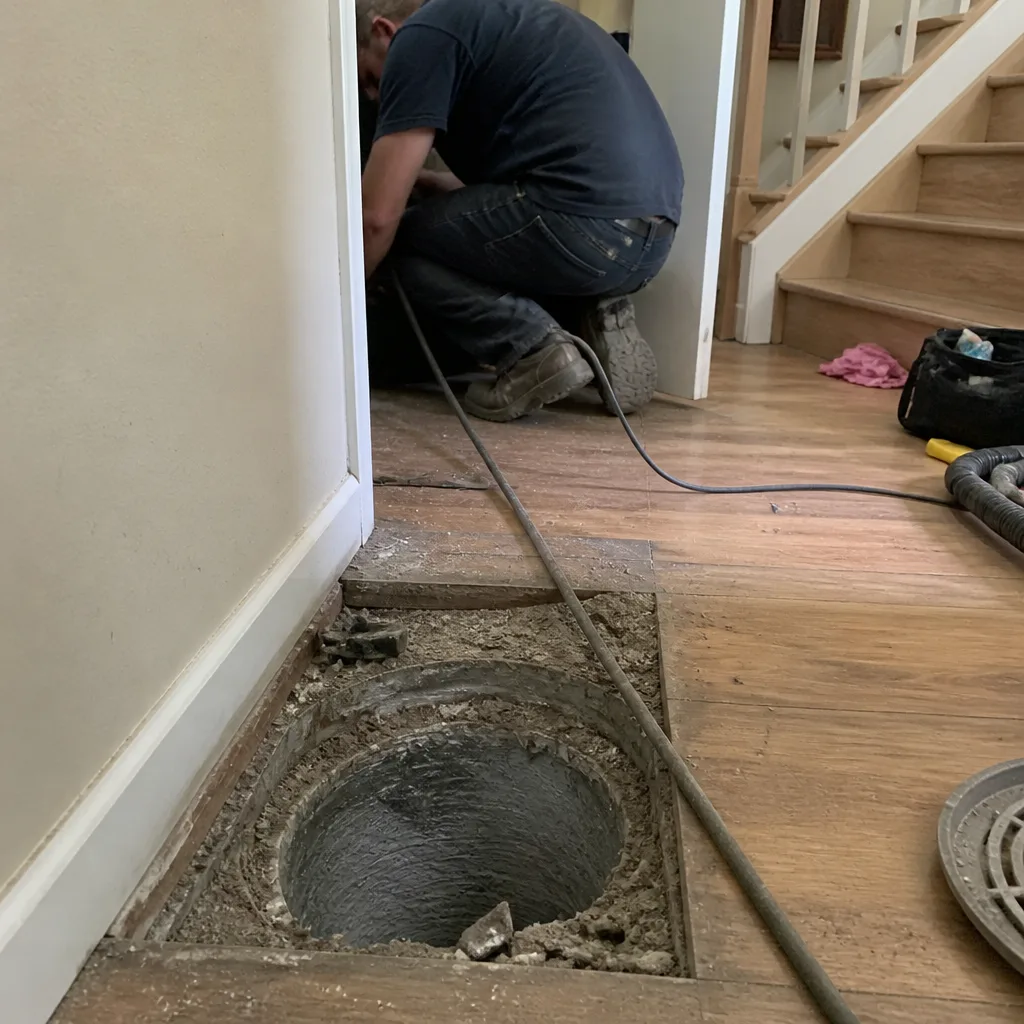
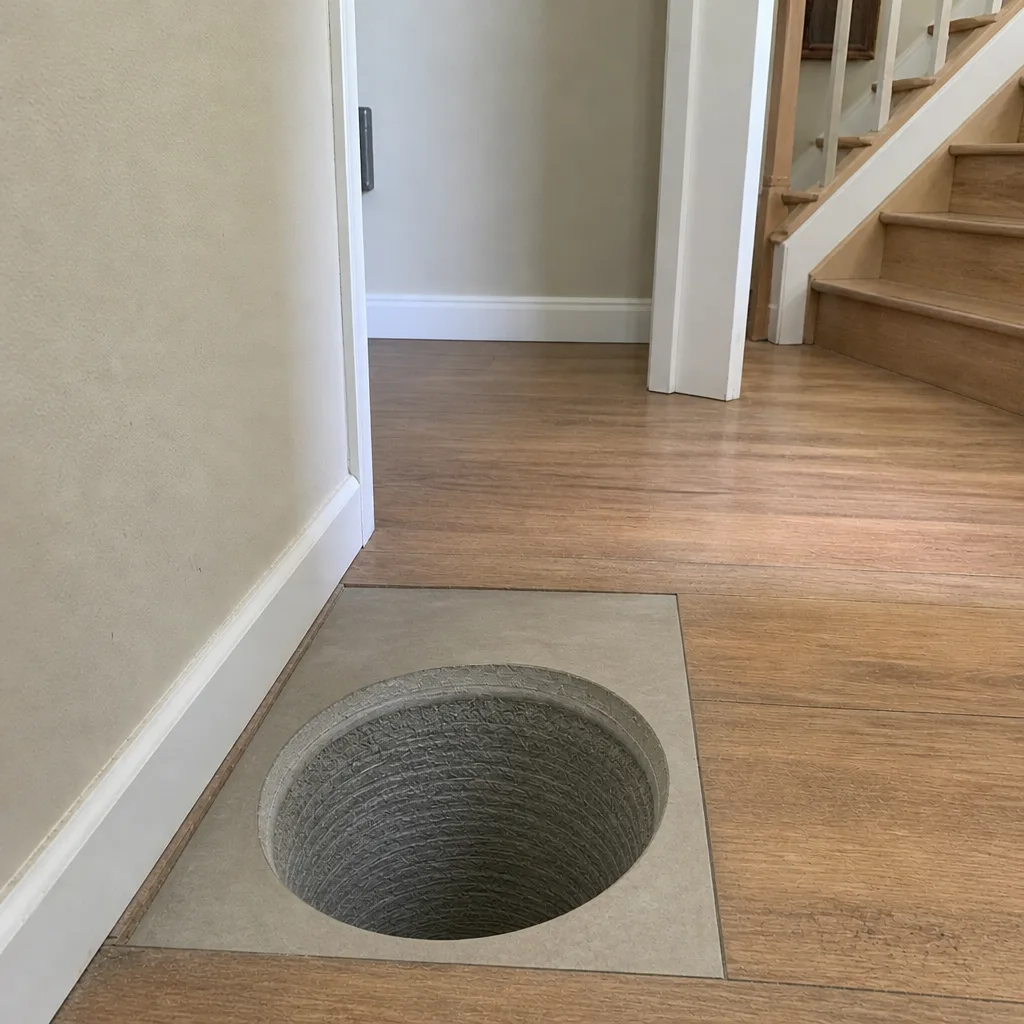
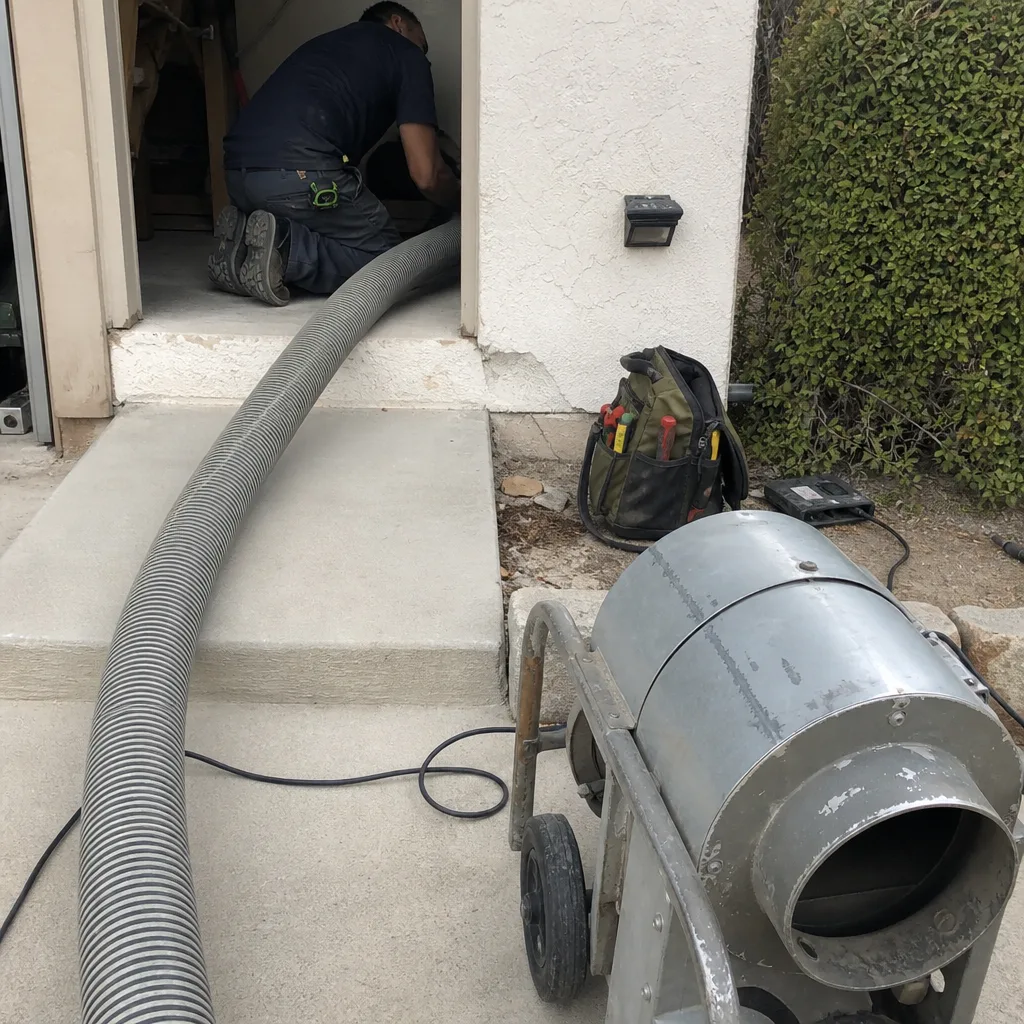
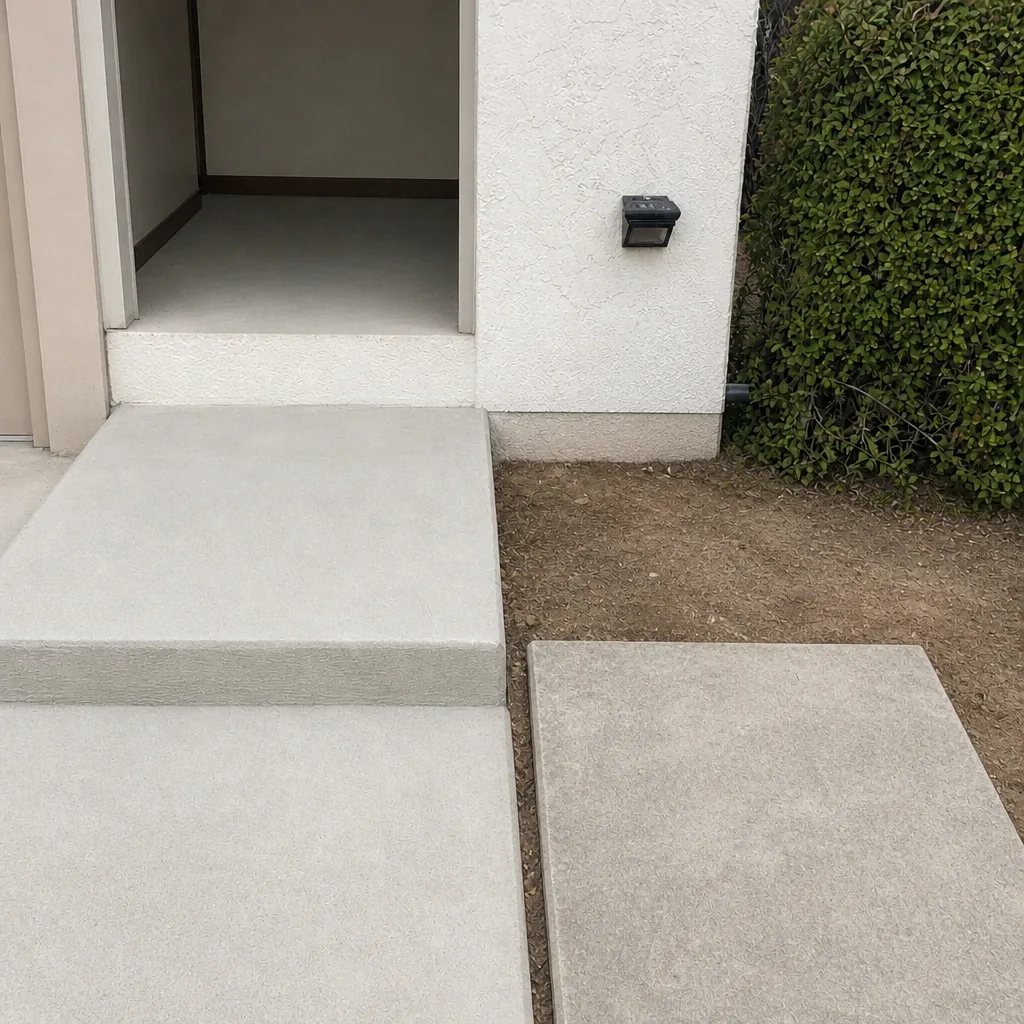
Whole-system duct and dryer vent check with before-and-after photos - you see exactly what came out of your vents
That "$99 whole-house special" is a bait ad - the real number appears once they are in your hallway, or the "clean" is a shop-vac at the register. We photograph the inside of your ducts before and after instead.
The Complete Guide to Air Duct Cleaning in Thornton
Most Thornton homeowners who’ve had their ducts “cleaned” have actually had them partially vacuumed. The contractor hooked up a hose at one or two registers, ran it for an hour, and skipped the supply branches, the return plenum, and the air handler cabinet entirely. The vents looked better. The system didn’t change much. That gap between a surface pass and true source removal is what this guide is about. We’ll walk through what a complete job covers, component by component, why Thornton’s high-altitude climate makes fine particulate settle faster here than along lower parts of the Front Range, what the NADCA ACR standard actually asks for, and how to read any quote against an objective checklist before you sign it. By the end you’ll be able to tell a real full-system clean from a vacuum-and-go.
Quick Answer
A complete air duct cleaning in Thornton means removing debris from every component of the system, not just the visible registers: supply and return trunks, branch runs, the air handler cabinet, the blower, and the plenum, with negative air and rotary agitation plus a camera-verified before-and-after record. It should follow the NADCA ACR assessment-and-cleaning standard, take several hours for a typical ranch or two-story home, and end with airflow verification and documented filter baselines. Price is set per job by a written estimate after the system is inspected, not quoted by the vent or by the hour.
Styles & brands we work with
- Whole-home duct cleaning
- Dryer vent cleaning
- Camera inspection
- Sanitizing & deodorizing
Table of Contents
- What a True Source-Removal Clean Covers vs. a Surface Vacuum Pass
- Why Thornton’s Climate Loads Your Ducts Differently
- The Equipment Tiers: Truck-Mounted vs. Portable Negative Air Machines
- How the NADCA ACR Standard Applies to a Thornton Home
- The Component Checklist to Ask For Before Work Begins
- What Post-Cleaning Verification Looks Like
- Cleaning, Sealing, Sanitizing: The Full-System Scope
- The Dryer Vent: A Separate, Safety-First Job
What a True Source-Removal Clean Covers vs. a Surface Vacuum Pass
Here’s the difference in one line: a surface pass removes what’s loose and visible; a source-removal clean takes the accumulated material off the interior walls of every duct, off the blower wheel, and out of the plenum, then captures it in a HEPA-level filter rather than blowing it around the house.
Most of what settles in a duct system never appears at the register. It clings to the top and sides of the trunk, collects on the turning vanes of the branch fittings, and packs into the return plenum and the air handler cabinet where the pressure change is greatest. Vacuuming from the register end with a shop-vac pulls out the easy loose material and leaves the agglomerated layer intact. The property manager or homeowner sees a clean-looking grille and assumes the work is done.
In our experience the tell is what the contractor brings through the door and what they agree to touch before the first hose goes in.
- A surface pass uses a portable vacuum, cleans the visible runs behind a few registers, and usually skips the air handler cabinet, the plenum, and the branch lines on the far side of the system.
- A source-removal clean sets up containment and negative air, drives rotary agitation through every branch, cleans the trunks and the plenum by hand and by tool, pulls the blower to clean the wheel, and documents what came out.
- Documentation is the difference between those two that a homeowner can actually verify. A source-removal job has before-and-after camera images of the same points in the same runs, plus a filter baseline recorded at the start and the end.
The reason this matters is that the material left behind is the material you’re breathing. Fine dust that has agglomerated on a duct wall doesn’t stay put; a change in system pressure, a blower start, a seasonal on-cycle, and some of it lifts again. Cleaning the register grille makes the room look better without changing what rides through the supply air.
Why Thornton’s Climate Loads Your Ducts Differently
Thornton sits at higher elevation than most of the Front Range metro and runs dry through much of the year. High-altitude, low-humidity air is a different load on a duct system than the heavier, damper air nearer the river bottoms, and it changes how fine particulate behaves inside the trunks.
Dry air lets fine dust particles stay airborne longer. In a humid climate they clump and drop out of the airstream quickly. In Thornton’s low-humidity air, silt, lint, and skin-cell dust tend to ride further into the system and then settle as a very fine, loosely packed layer, often on the cooler return side. That layer is easier to disturb and harder to capture with a low-volume vacuum. It re-entrains readily when the system cycles. The dry conditions also mean more of what we call “static cling” on plastic flex runs: fine particles adhere to the corrugated wall of a flex duct and don’t slide off the way they would in a wetter climate.
Two seasonal effects follow from that. Heating season pulls cold, dry outdoor air through the return and into the system at the same time the furnace runs hard, so more outdoor particulate enters through any leaky return joint or unsealed boot. Then the shoulder seasons push the system through long off-cycles, during which the settled layer just sits, and the moment the blower kicks on again the finest fraction lifts. A Thornton home with a system that mostly runs in short, high-demand bursts tends to accumulate a fine, even layer throughout the supply branches rather than a concentrated clog in one spot.
What that means practically: the deep settle in a Thornton system responds best to rotary agitation combined with strong negative air. A passive vacuum pass without mechanical agitation tends to skim the top of the layer and leave the packed material bonded to the wall. If you want to know how that load compares for a specific system layout, the process on our air duct cleaning page walks through it in detail.
The Equipment Tiers: Truck-Mounted vs. Portable Negative Air Machines
Not every duct cleaning job needs a truck-mounted unit, and not every job is done properly with a portable. Matching the equipment to the home is half of what separates a competent quote from a cheap one.
There are really three tiers you’ll see in and around Thornton, and each has a correct use case.
- Portable negative air machines. These are the workhorses for most single-family homes, condos, and smaller townhomes in Thornton. A portable unit like a Nikro HEPA setup creates negative pressure at the trunk or plenum connection, filters the airstream, and lets the technician work register by register with containment in place. The advantage is flexibility: it fits in tight mechanical closets and awkward crawl access common in older Thornton neighborhoods.
- Truck-mounted vacuum and rotary combination units. For large homes, multi-zone systems, or light commercial spaces, a truck-mounted vacuum with the hose run to the plenum gives a higher sustained suction through longer trunk runs than a portable can hold. Paired with a Rotobrush rotary brush system driven through each branch, this is the setup that reliably agitates and removes the packed, dry layer we described above.
- Containment and HEPA capture. The equipment tier most homeowners never see quoted is the negative-air and containment layer. Abatement Technologies equipment is the standard in remediation work for keeping the work zone under negative pressure and capturing fine particulate at HEPA level. When that gear is part of the job, the fine dust that lifts during cleaning is captured at the machine rather than drifting into the living space.
What to ask: which machine will be on site, what its rated airflow is, and how the technician will maintain negative pressure while agitating the branches. A quote that names “a vacuum” without a machine and an airflow rating is a quote you can’t evaluate. Full-system cleaning across this range of equipment is what we offer under HVAC cleaning, and it’s the piece most one-service contractors leave out.
How the NADCA ACR Standard Applies to a Thornton Home
The NADCA ACR standard is the industry assessment-and-cleaning framework that says the source of the problem has to be evaluated and documented before cleaning, and that cleaning must reach every component of the system. Applied to a typical Thornton layout, that changes what the quote needs to cover.
The standard has two halves that most homeowners never hear separated. The assessment half asks the contractor to look at the system, take samples or visual documentation of what’s inside, and identify any conditions that would make cleaning inadvisable or that need fixing first. The cleaning half defines what a complete job is: every component of the system that can be reached, cleaned by a method appropriate to its material and condition, with the source of contamination addressed, not just the symptom.
Here’s how that maps to the two housing patterns that dominate Thornton.
- The ranch. Single-story ranches usually have a low, long trunk run in the attic or a slab, short branch takeoffs, and a compact plenum sitting above the furnace. The ACR application means the branch runs, the trunk, the plenum, and the furnace cabinet all get cleaned, and the camera work happens at the farthest branches, not just the register the technician can reach first.
- The two-story. Two-story homes typically have a vertical chase or a split trunk, with a return plenum on the lower level and a long, high-pressure branch set upstairs. The ACR framework here requires the return plenum and the upper branches to be treated as parts of the same job. A scope that cleans the first-floor registers and leaves the second-floor branches untouched isn’t ACR-compliant because it doesn’t cover every reachable component.
- Basement and crawlspace systems. Many Thornton homes run the air handler in a basement or crawlspace. Those mechanical rooms often have incomplete cabinet sealing, which the assessment half of the standard is designed to catch before cleaning begins.
The practical use of the ACR standard on a Thornton home is simple: it gives you a checklist to hold any contractor against. If the quote doesn’t cover the return plenum, the air handler cabinet, and the farthest branches, it isn’t a full-system clean no matter how it’s described.
The Component Checklist to Ask For Before Work Begins
Ask any contractor which components they’ll clean, in writing, on the quote. Then compare that list against this one. A full-system clean touches every item below, and anything missing becomes material the job was never going to remove.
- Supply registers and boots. The grille, the boot (the sheet-metal fitting behind the grille), and the first section of branch.
- Supply branches. Every branch line, agitated with a rotary tool and fitted with the correct brush for the duct material (metal, flex, or ductboard all need different brushes).
- Supply trunk. The main run from the plenum to the branches, cleaned along its full length, top and bottom.
- Return plenum and return drops. The segment between the return grilles and the air handler, which carries the most concentrated fine particulate.
- Air handler cabinet and blower wheel. The blower wheel is almost always the most visibly loaded component in the system and the one most often skipped.
- Evaporator coil (if accessible). The coil’s fins collect fine dust on the upstream side, and if it’s accessible on the assessment, it belongs in the scope.
- Register grilles and covers. Removed, washed, and reinstalled.
- System sealing as found. Any visible gap, unsealed boot, or loose joint flagged during the assessment, and repaired if sealing is in scope.
- Post-clean documentation. Before-and-after camera images and a filter baseline, in writing.
Ask the contractor to initial this list before work starts. A contractor who’ll agree is one who knows exactly what they’re going to clean. A contractor who won’t is telling you something about the scope.
What Post-Cleaning Verification Looks Like
Verification is what turns “we cleaned it” into something the homeowner can actually check. A proper job ends with three things: airflow measurement, camera inspection, and a documented filter baseline.
Ask for all three.
- Airflow testing. A technician measuring static pressure or probe airflow at several registers before and after gives a before/after number that belongs in the report. If the pre-clean number was high because the system was loaded, the post-clean number should be measurably lower. A report that only says “airflow improved” without a reading is a claim, not a measurement.
- Camera inspection. Before-and-after images of the same point in the same branch run, taken with a duct inspection camera. The value is that they are matched; anyone can produce two clean images from two clean systems. Matched pairs showing the same position in the same run are verification.
- Filter baseline documentation. A written record of the filter MERV rating, the size, the install date, and the pressure drop across it at the end of the job. That record is what lets you track how fast the system loads going forward, and whether the filter you’re running is the right one for a Thornton home.
When the post-clean camera work runs through a Honeywell or Aprilaire system, the technicians should know how the components fit together so the cleaning doesn’t disturb an air purifier or bypass assembly. Familiarity with Honeywell and Aprilaire equipment is part of what a full-system job requires, especially in a home with a whole-home media filter or a bypass humidifier mounted on the return.
Cleaning, Sealing, Sanitizing: The Full-System Scope
Cleaning is one of four jobs a system usually needs. The other three are repair, sealing, and sanitizing, and in our experience the second three are what most homeowners end up hiring a separate contractor for after the cleaning is already done.
What we mean by full-system scope:
- Cleaning removes the debris. That’s the entry point for everything that follows.
- Duct repair addresses loose, disconnected, crushed, or improperly hung sections of duct that a cleaning often reveals. A disconnected branch behind drywall has been blowing conditioned air into a framing cavity instead of the room, and no amount of cleaning will fix that.
- Sealing closes the leaks at boots, joints, and plenum connections. An unsealed boot or a loose takeoff pulls attic or crawlspace air into the system, and in a dry Thornton climate that’s a direct line for outdoor fine particulate into the supply air.
- Sanitizing treats the interior surfaces for microbial growth and odor. It’s a post-clean step, not a substitute for cleaning, and it’s appropriate where the assessment found conditions that warrant it: persistent musty odor, prior moisture events, or biological growth on the coil or cabinet surfaces.
Doing all four under one roof matters when a repair or a sealing problem turns up mid-job. A contractor who only cleans has to stop and hand you off. A contractor who handles repair, sealing, and sanitizing can finish the job in the same visit so you’re not left with a partly-cleaned system and a hole in the return. That’s the practical reason a full-system approach beats a pure cleaning pass, and it’s why we structure the work as cleaning, repair, sealing, and sanitizing together.
The Dryer Vent: A Separate, Safety-First Job
Dryer vent cleaning is a distinct service from air duct cleaning and it’s worth treating as its own safety job. Lint that builds up in the vent line is a genuine fire hazard, and a clogged line also forces the dryer to run longer and hotter for the same load.
The vent run is short in a typical Thornton home: from the dryer, out through the wall or up through the roof. But short doesn’t mean self-cleaning. Lint compacts at the first elbow, at the transition from flexible to rigid duct, and at the exterior hood. A rotary brush on a flexible rod removes it along the whole run. A shop-vac at the outside hood doesn’t reach the elbow.
The signs that it’s time: loads take two cycles to dry, the exterior hood flapper doesn’t open fully, the dryer cabinet feels hot to the touch, or the lint screen fills within a load. If any of those are true, the line needs a full-run cleaning, not a screen cleaning. We treat dryer vent cleaning as a standalone service for that reason.
Common Mistakes to Avoid
- Accepting a quote built on a single vent count. Per-vent pricing tells you nothing about scope. It doesn’t say whether the plenum, the air handler cabinet, or the far branches are included, and it’s the standard way cheap quotes stay cheap. Ask for a component list and a whole-system range before you agree.
- Skipping the return plenum and air handler cabinet. Those two components carry the heaviest fine particulate load in a Thornton system, and they’re the most common omissions in a shop-vac-style cleaning. If they’re not in the scope, the job isn’t a full-system clean.
- Assuming “cleaned” means the branches were agitated. Dragging a hose to a register and pulling out what’s loose is a surface pass. Rotary agitation with the right brush for the duct material is what actually removes the packed dry layer that clings in this climate.
- Skipping the blower wheel. The blower wheel is almost always the most visibly loaded component in the system and it’s routinely left in place. A clean system with a dirty blower still sends the dust back through the branches.
- Cleaning without assessing first. A disconnected branch, a crushed flex run, or an unsealed boot behind the drywall will undo the benefit of the clean. The assessment half of the NADCA ACR standard exists to catch those before cleaning begins.
- Running the wrong filter afterward. A filter that’s too restrictive for the blower’s rating increases static pressure and can shorten the system’s life. Document the filter baseline so you know what the system was designed for.
- Forgetting the dryer vent. Lint buildup in the vent line is a documented residential fire hazard, and most homeowners have never had theirs cleaned. Treat it as part of whole-home duct maintenance, not an afterthought.
See the difference
 Before
 After
 Before
 After
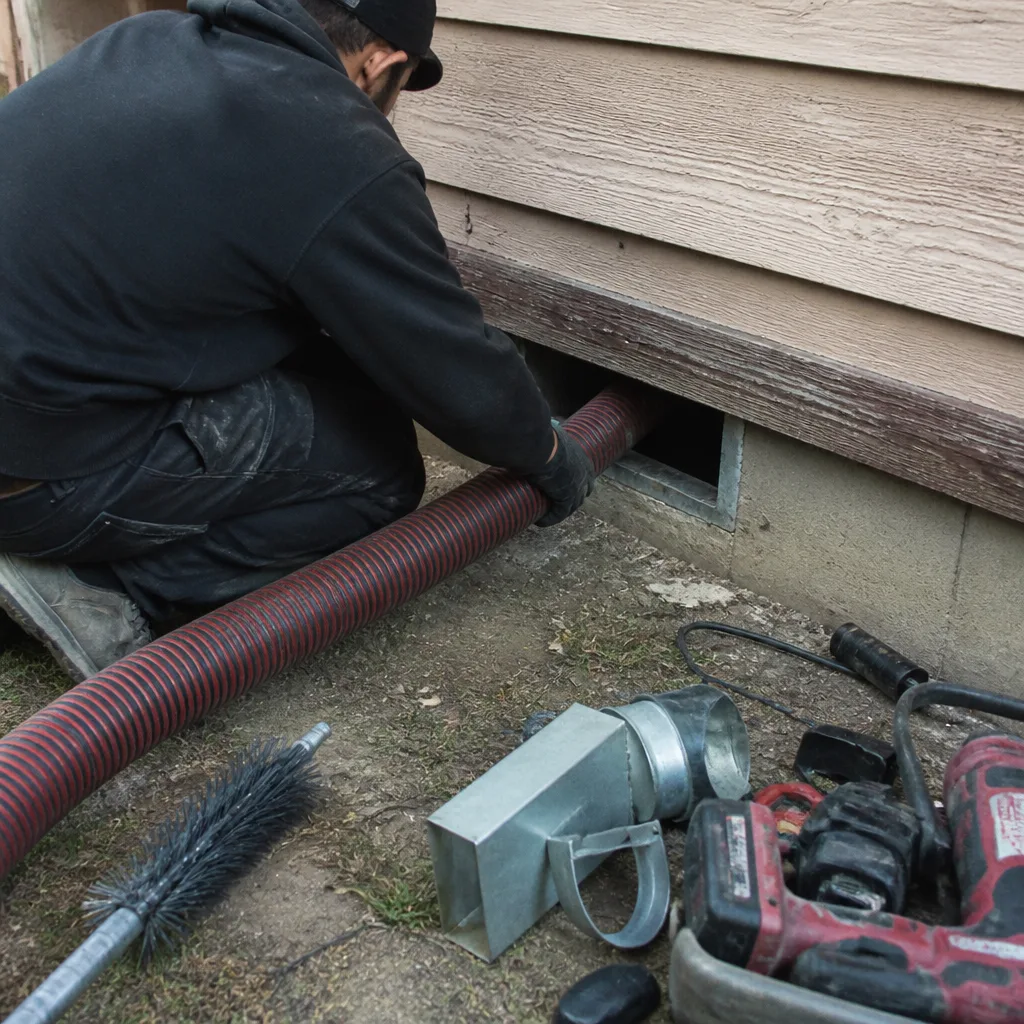 Before
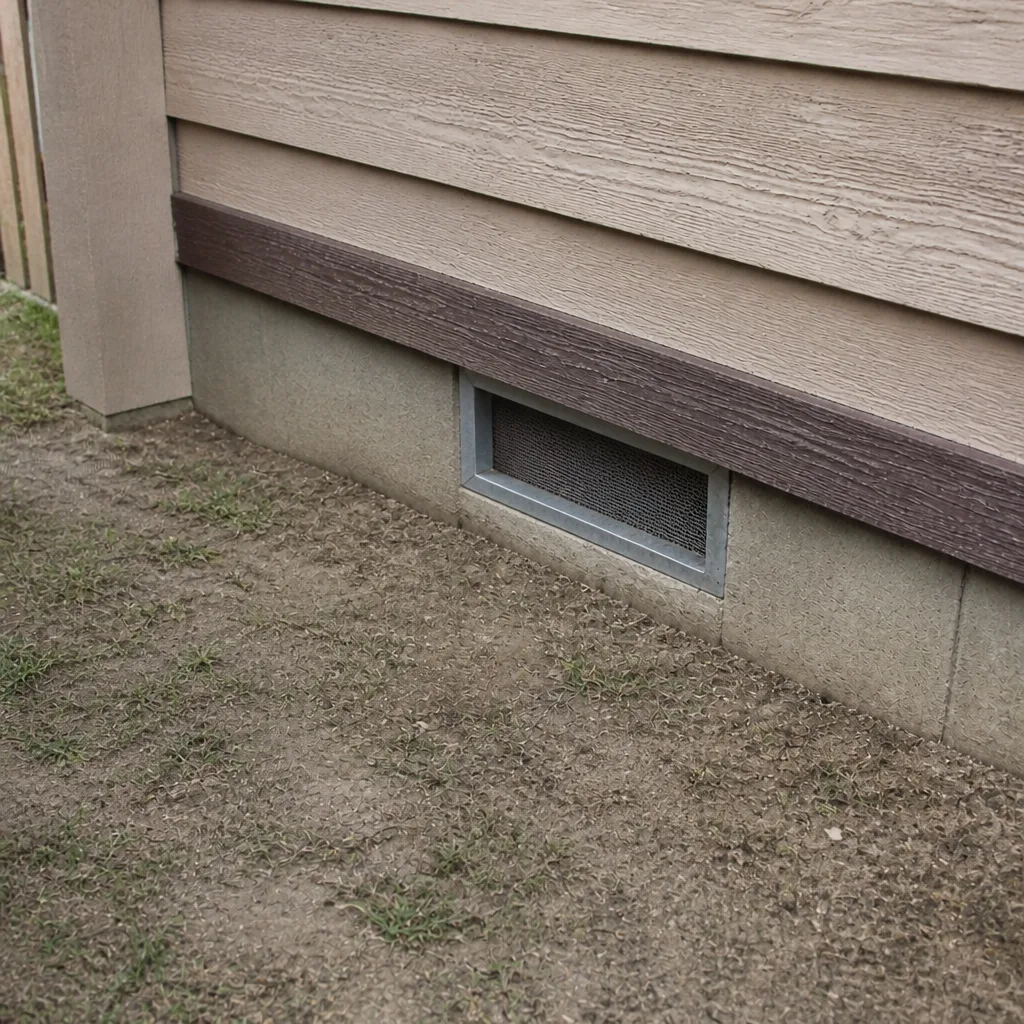 After
When to Call a Professional
Some conditions clearly call for a professional assessment rather than another round of filter changes. Call if you see visible dust discharging from a supply register right after a filter change, if you’ve had a moisture event or a musty smell that keeps returning, if the system was neglected for several seasons before you moved in, if there’s a visible gap or disconnected branch in the ductwork, if the dryer takes two cycles per load, or if you’re a property manager taking over a unit with no maintenance record. Each of those points to a system-level problem rather than a filter problem, and a professional assessment is the way to know which components actually need work. Thornton Air Duct Cleaning Pros offers free estimates in Thornton: call (888) 845-7534. We answer 24/7. Fast dispatch from 7am to 7pm, Sunday through Friday.
Frequently Asked Questions
Air duct cleaning in Thornton is priced per job, by a written estimate after the system is inspected, because a ranch with a short trunk and a two-story with a split trunk are different jobs. The written estimate sets the final price, one flat price per system agreed before work begins, and there are no per-vent charges. Call (888) 845-7534 for an exact quote – estimates are free.
A full-system clean in a Thornton home typically takes most of a day for a ranch and a full day or longer for a two-story with multiple zones. Time is set by the number of branches, the length of the trunk runs, and whether the blower and plenum need hand cleaning. The estimate should state the expected duration alongside the scope.
Cheap quotes are almost always cheaper because the scope is smaller. They usually skip the return plenum, the air handler cabinet, the blower wheel, or the far branches, and the per-vent pricing model hides what’s missing. Compare the component checklist against the quote rather than the bottom-line number. Call (888) 845-7534 for an estimate that lists the scope.
Ask for matched before-and-after camera images of the same point in the same branch run, plus a filter baseline and a static-pressure or airflow reading in writing. Those three records are what verification means in practice. A contractor who can’t provide them hasn’t done the verification half of the job. Call (888) 845-7534 for an estimate that includes verification in the scope.
Most Thornton homes do best with a full-system clean every few years, and more often if there are pets, a smoker in the house, recent renovation dust, or a history of moisture events. High-efficiency systems running a good filter hold their interval longer; systems with unsealed returns in a dry climate load faster. The filter baseline documents what the interval should be for a specific home.
Yes. High-altitude, low-humidity air lets fine particulate stay airborne longer and settle as a very fine, loosely packed layer that re-entrains easily. That load responds best to rotary agitation combined with strong negative air and HEPA-level capture, rather than a passive vacuum pass. A Thornton home benefits from a component-by-component clean with proper containment.
Yes. Cleaning around Honeywell and Aprilaire whole-home systems is part of the job, and technicians familiar with those systems can work around the components without disturbing the bypass or the media filter housing. The assessment step flags anything that needs to be removed and reinstalled before cleaning begins.
The Bottom Line
A complete air duct cleaning in Thornton comes down to three things: what equipment enters the system, which components get cleaned, and what’s documented afterward. Truck-mounted vacuum and rotary brush systems handle the packed dry layer that this climate leaves on duct walls; Abatement Technologies-style negative air keeps it contained; matched before-and-after camera images and a filter baseline make the result verifiable. Anything less is a partial clean. When you’re comparing quotes, hold them against the component checklist in this guide and ask for the scope in writing. We’re the team at Thornton Air Duct Cleaning Pros, and this is the standard we work to. Call (888) 845-7534 for a free estimate. We answer 24/7. Fast dispatch from 7am to 7pm, Sunday through Friday.
Written by the team at Thornton Air Duct Cleaning Pros.