
Last updated November 23, 2026
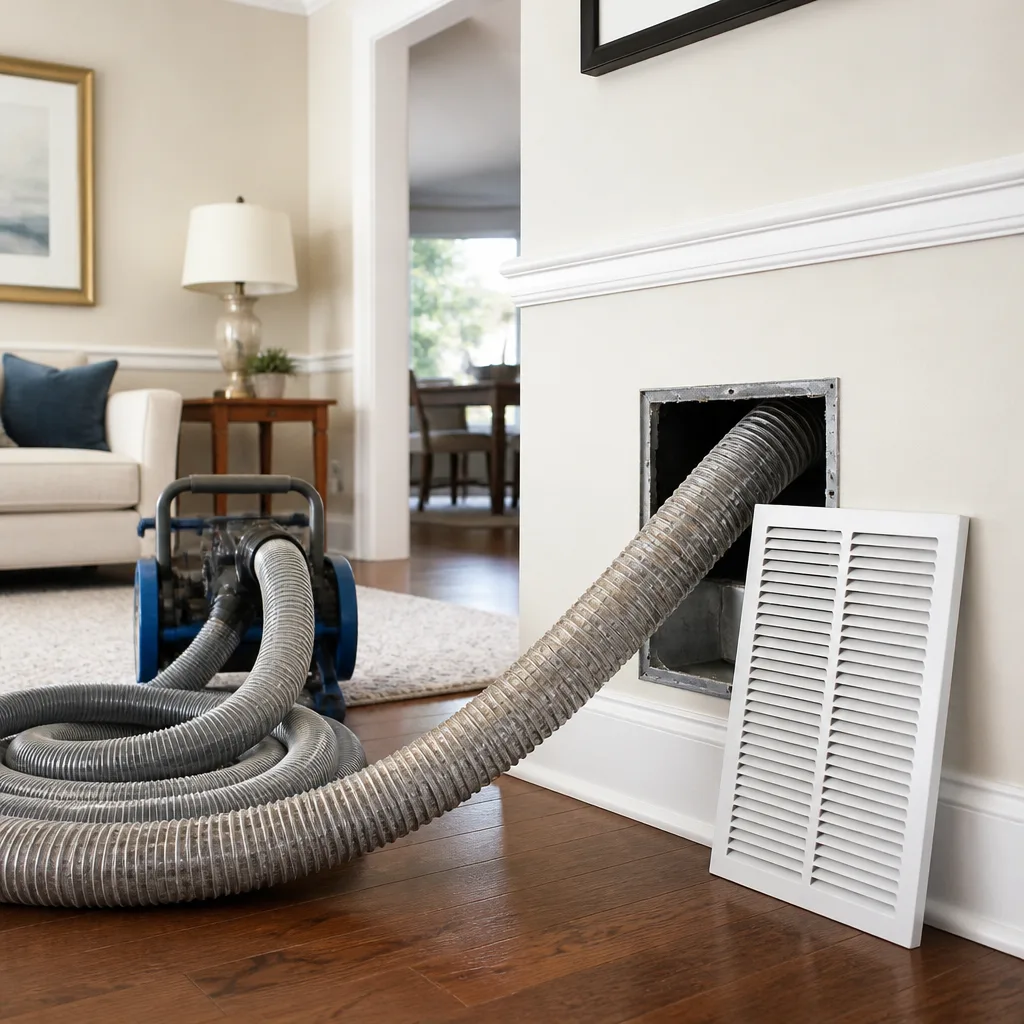 Whole-home duct cleaning
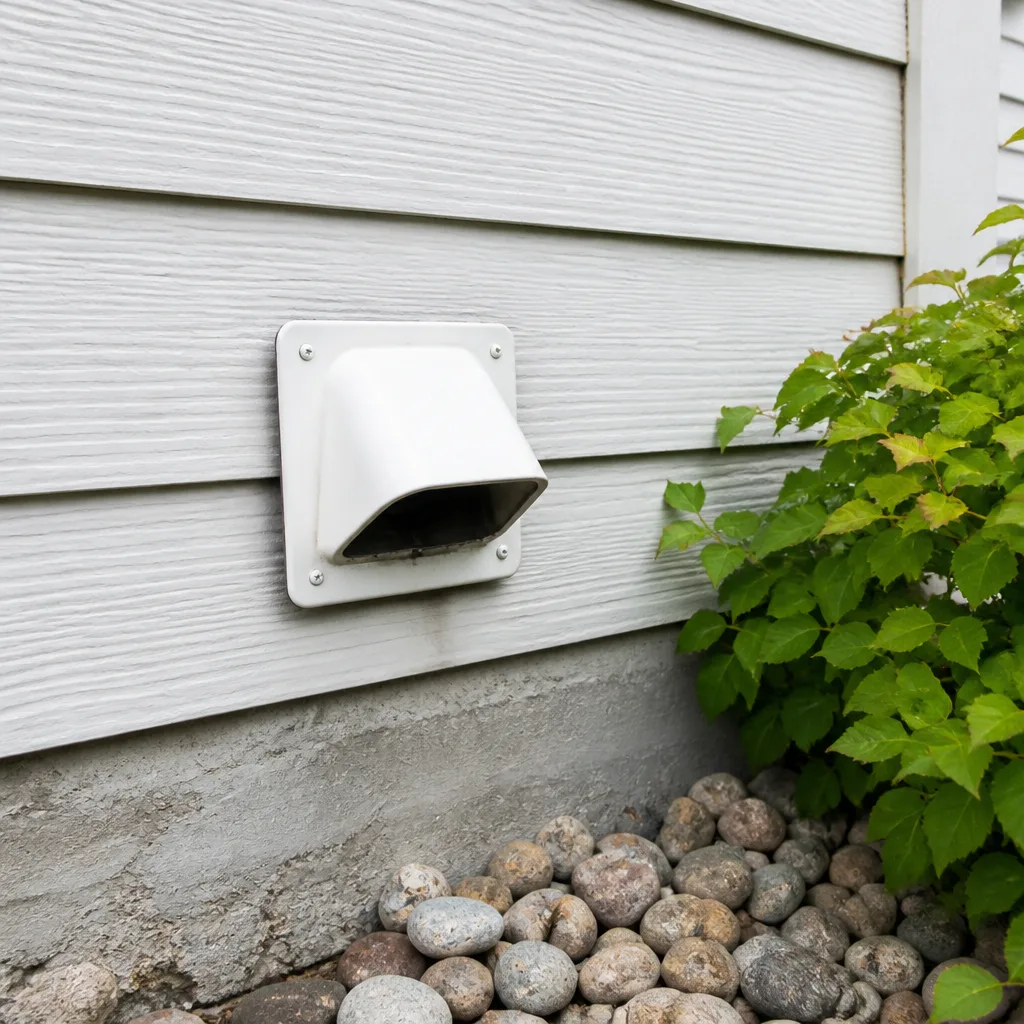 Dryer vent cleaning
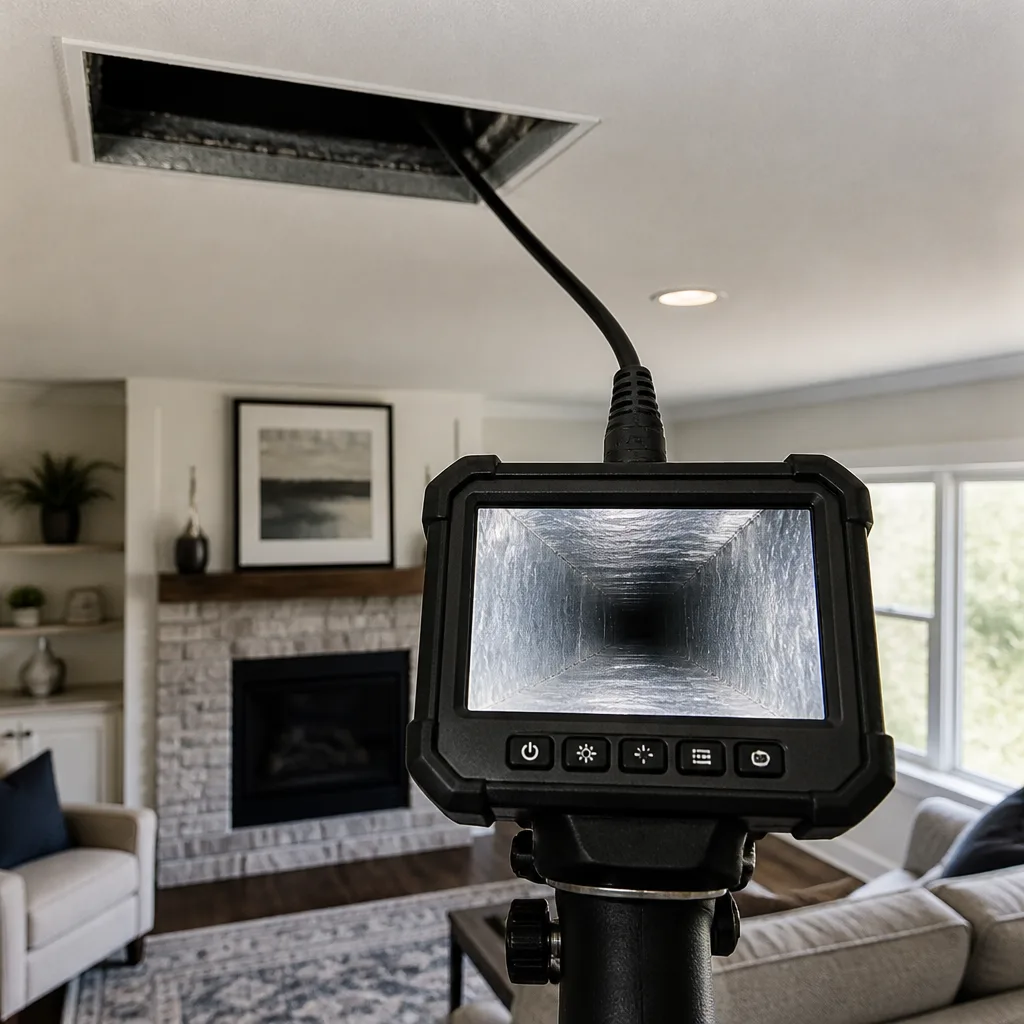 Camera inspection
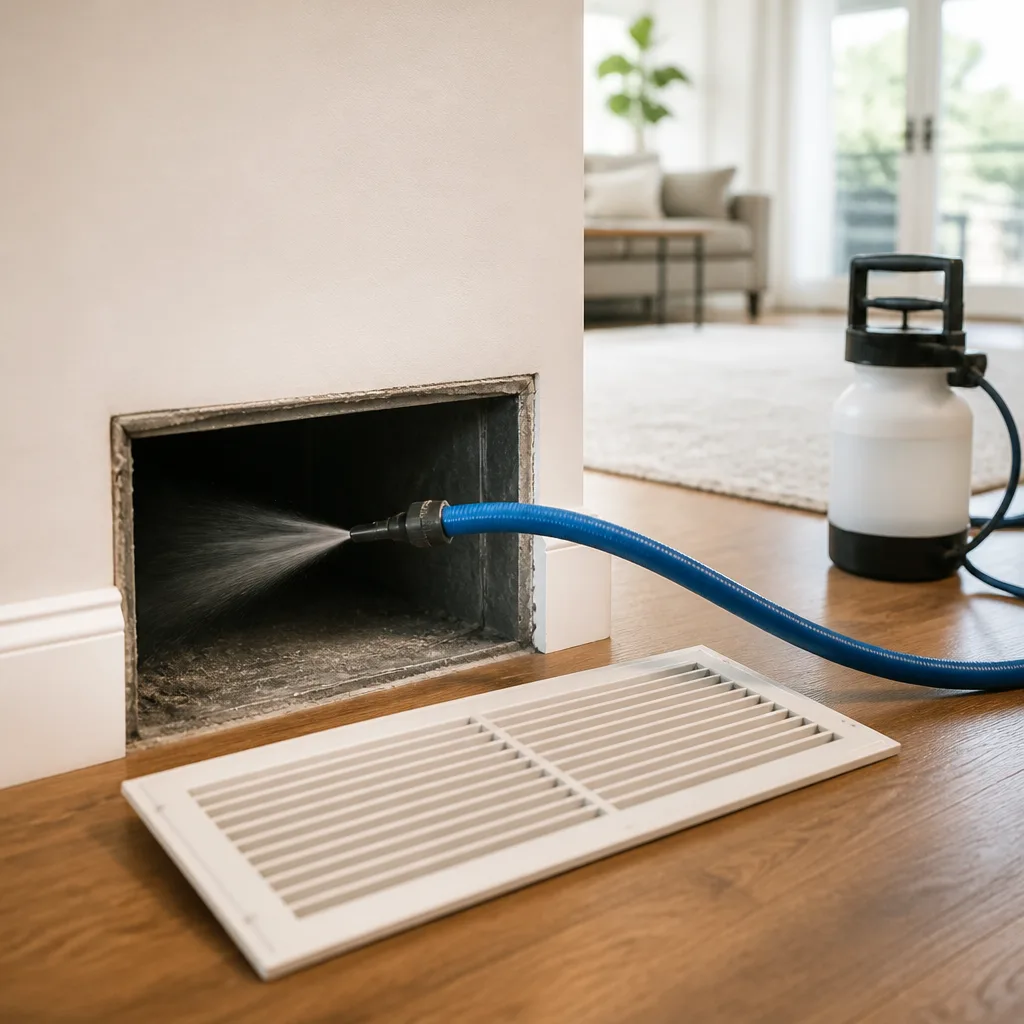 Sanitizing & deodorizing
Whole-system duct and dryer vent check with before-and-after photos - you see exactly what came out of your vents
That "$99 whole-house special" is a bait ad - the real number appears once they are in your hallway, or the "clean" is a shop-vac at the register. We photograph the inside of your ducts before and after instead.
Air Duct Cleaning Maintenance Checklist for Thornton Homeowners
If your filter is MERV-13 but your duct system has an unsealed return plenum pulling in attic air, you’re not maintaining clean ducts. You’re running an expensive air filter on a leaking system. That mismatch is the most common one we find in Thornton homes: homeowners invest in better filtration without ever addressing the leaks upstream of it, or the components that quietly feed contamination back into the ducts between professional cleanings. This guide gives you a concrete, month-by-month maintenance checklist calibrated to Thornton’s specific operating conditions – wildfire smoke season, dry winters, spring construction dust – plus the checks that tell you whether your system is actually holding clean between visits. By the end, you’ll know what to do yourself, what to log, and what escalates to a professional inspection in Thornton.
Quick Answer
A duct maintenance checklist for a Thornton home should cover four things: filter changes logged against HVAC runtime hours rather than calendar months, seasonal checks timed to wildfire smoke and spring construction dust, inspection of the three upstream components that contaminate ducts between cleanings (humidifier pad, UV lamp, drain pan), and a 60-second visual check at each register grille. Professional duct cleaning itself is a scheduled event every few years, not an annual task – the checklist between cleanings is what determines whether the system stays clean for three years or gets re-contaminated in one.
Styles & brands we work with
- Whole-home duct cleaning
- Dryer vent cleaning
- Camera inspection
- Sanitizing & deodorizing
Table of Contents
- Why a Checklist Matters More Than a Single Cleaning
- The Thornton Month-by-Month Duct Maintenance Calendar
- How to Log Filter Changes Against HVAC Runtime Hours
- The Three Upstream Components That Contaminate Your Ducts Between Cleanings
- The 60-Second Register Grille Check
- When a Checklist Item Escalates to a Professional Call
- Sealing and Duct Repair: The Step Most Checklists Miss
- Sanitizing and Odor Treatment Between Deep Cleanings
Why a Checklist Matters More Than a Single Cleaning
A professional duct cleaning is an event. It takes a few hours, uses contractor-grade equipment, and resets the interior of your duct system to a clean baseline. What happens over the following 24 to 36 months determines whether you get real value from that cleaning or end up rebooking sooner than you should. In our experience, the homes that stay clean the longest aren’t the ones that paid the most for their cleaning. They’re the ones where the homeowner kept up with a short list of maintenance items in between.
The logic is simple. A duct system isn’t sealed from the rest of your house. Return grilles pull air from every room, the supply side pushes air back out, and the plenum connects the whole thing to the furnace or air handler. If the filter housing has a gap, if the humidifier pad has mineralized, or if the condensate drain pan is holding standing water, contamination re-enters the ducts regardless of how clean they were on the day of the cleaning. In a Thornton home, these gaps compound faster than in many other climates because of the smoke intrusion windows in summer and the very dry heating season from November through March.
What follows is a checklist that maps tasks to Thornton’s actual operating conditions rather than to a generic calendar. Some items are yours to do. Some are yours to log. A couple require a professional – but knowing which is which is the point.
The Thornton Month-by-Month Duct Maintenance Calendar
Thornton runs a predictable set of seasonal stressors on a duct system. Summer brings regional wildfire smoke that finds its way through any return-side leak. The heating season is dry and long, which drives static and dust migration inside the ducts. Spring brings construction dust from ongoing development and road work. Calibrating maintenance to those windows matters more than following a generic monthly rotation.
Here’s how we’d sequence the year:
- January through February (deep winter): Change the filter if runtime is high. Check the humidifier pad for mineral scale. Look for condensation or ice at the fresh-air intake if your home has one. Dry Thornton winters push furnace runtime up sharply, so filter loading accelerates.
- March through April (spring construction dust): This is your highest-dust window. Inspect the filter housing for visible gaps at the access panel. Vacuum the return grille faces monthly. Note any dust streaks at registers that appear during this window – they’ll tell you whether the system is pulling from an unsealed plenum.
- May (pre-smoke-season prep): Confirm the filter is seated fully with no bypass around the edges. Check the return duct joints in the attic or basement for visible gaps and tape failure. This is the single most useful thing you can do before regional smoke arrives.
- June through September (wildfire smoke season): Change the filter more often if outdoor smoke is heavy – runtime hours spike because the system circulates more to keep up with cooling demand. Avoid opening windows on smoke days. Watch for smoky odors at supply registers, which point to a return-side leak.
- October through November (heating transition): Replace the humidifier pad if your system has one. Check the UV lamp if installed – most lose effectiveness long before they fail outright. Clean or replace the drain pan if there’s standing water or biofilm.
- December (year-end audit): Review your filter log for the year. If you’ve changed filters more than the runtime math suggests, the system may be pulling dust from somewhere it shouldn’t. That’s the moment to schedule a professional inspection rather than another filter change.
This calendar is what a full-system approach looks like in practice. The cleaning event is a scheduled item every few years; the maintenance between cleanings is what you control. If you’re not sure whether your system is at the point where a cleaning is due, a free estimate is the right first step – air duct cleaning in Thornton is scheduled based on visible condition and register-level evidence, not a fixed anniversary.
How to Log Filter Changes Against HVAC Runtime Hours
A filter changed on the first of every month may be changed three times too often in a mild month and three weeks too late in a smoky August. Duct contamination tracks runtime hours, not calendar months. If your air handler runs 400 hours in a mild April and 900 hours in a hot, smoky August, the filter loads more than twice as fast in August – and a monthly calendar rotation doesn’t capture that.
You don’t need a professional-grade runtime meter. Most modern thermostats track runtime hours somewhere in their menu, and a simple wall calendar with a note each time you change the filter is enough to spot the pattern. Here’s the log we recommend:
- Date of filter change – write it on the filter frame itself with a marker.
- Approximate runtime since last change – pull from the thermostat or estimate from cooling/heating days.
- Filter appearance – “light grey,” “heavy grey,” “visible dust pass-through,” “bowed from airflow restriction.”
- Outdoor conditions – smoke days, heavy construction dust, high pollen.
- Any odors or register streaks noted – these become diagnostic clues later.
After six months of consistent logging, patterns emerge. If the filter bows from airflow restriction well before the runtime hours suggest it should, the return side may be undersized or drawing air from a restricted plenum. If the filter is grey within a week of a new install, the system is pulling from an unfiltered source. We’ve seen both of these signal an unsealed return more often than any other cause in Thornton homes, particularly in older neighborhoods where the return plenum was taped rather than sealed with mastic.
Pair the log with a professional filter consultation if the pattern doesn’t make sense. Our technicians have up to 11 years of experience and can tell you within a few minutes whether the return is the problem or the filter selection itself is wrong for the system.
The Three Upstream Components That Contaminate Your Ducts Between Cleanings
Most homeowners focus on the ducts because that’s where the visible dust lives. But three components upstream of the ducts cause more between-cleaning contamination than anything else. Each of them can turn a clean duct system into a dirty one within a single heating or cooling season.
1. The Humidifier Pad
A bypass or fan-powered humidifier pad sits in the air path. When the pad is mineralized or saturated from a dry Thornton heating season, it grows biological material and sheds particles directly into the supply plenum – downstream of the filter. That means everything the humidifier releases bypasses your filter and lands in the ducts. Replace or clean the pad at the start of every heating season and inspect monthly during peak months.
2. The UV Lamp
A UV lamp installed in the air handler or near the coil is designed to inhibit microbial growth on the coil surface. When the lamp loses output – often well before it stops glowing visibly – the coil becomes a biological breeding site, and the airstream carries that material into the ducts. Honeywell and Aprilaire systems both use UV components in their IAQ packages, and knowing how to service around them without voiding warranties is part of what our team deals with regularly. Check the lamp per the manufacturer’s schedule and replace on time, not when it fails.
3. The Drain Pan
Condensate drain pans sit under the evaporator coil. If the pan holds standing water, or if the drain line is partially clogged, biofilm forms and eventually dries into a dust source that blows into the supply plenum. Inspect the pan at the start of cooling season and again mid-season. If there’s a slime layer or a musty smell, the pan needs cleaning – and the ducts afterwards probably need a sanitizing treatment.
These three components are why we treat air quality and sanitizing as a distinct service rather than an add-on. Cleaning the ducts without addressing what’s feeding them means the cleaning gets undone faster than it should. A short conversation with a technician who works on these systems daily is worth more than a generic maintenance schedule pulled from a manufacturer’s brochure.
The 60-Second Register Grille Check
The single most useful maintenance habit we know of is a 60-second visual check at each register grille. It’s quick, it costs nothing, and it tells you whether your ducts are holding clean or have started to re-contaminate. Do it once a month during high-runtime seasons and quarterly otherwise.
Here’s what to look at, in order:
- Remove the grille (or look through the vanes if it’s fixed). Shine a phone flashlight down into the boot – the transition where the duct meets the register.
- Look at the boot surface. It should be the same color as it was after your last cleaning. Uniform dust film is normal between cleanings. Powdery accumulation or visible debris is not.
- Check for streaking. Dark vertical streaks on the boot or the inside of the grille suggest airflow pulling from a dirty source, usually a return-side leak.
- Sniff for odor. A musty or smoky odor at the supply registers points to a problem upstream. A dry, dusty smell is usually normal dust accumulation.
- Note the location of anything that looks different. Write it down. Multiple registers showing the same pattern points to a system-wide issue; one register showing an anomaly often means a specific duct run has a leak or a disconnected joint.
Repeat at every supply and return register. It takes a minute per register and gives you a running baseline. Over a year, you’ll know exactly when your ducts crossed from “normal dust” to “time for a cleaning,” and you won’t waste money on a cleaning that wasn’t needed yet or wait too long on one that was.
When a Checklist Item Escalates to a Professional Call
Some checklist findings are maintenance. Others are a professional call. The difference matters because the wrong call wastes money and the wrong wait causes damage that a cleaning can’t fix.
Here’s how we draw the line:
- Visible black streaking at a return vent. This almost always points to unfiltered air entering the return, which means a leak that needs sealing, not just re-cleaning. Professional inspection.
- Persistent smoky or musty odor at supply registers. If it doesn’t resolve after two filter changes, the source is upstream of the filter. Professional call.
- Filter bowing or collapsing before the runtime math suggests it should. Suggests a return-side restriction or a leak. Professional diagnosis.
- Visible debris blowing out of supply registers. This is a duct cleaning event, not a maintenance task. Book a cleaning.
- Water at the base of the air handler or a rusted drain pan. This is an HVAC issue first – fix it before the ducts get cleaned, or the cleaning is wasted.
- Register grille noise (whistling or whooshing). Often a sign of a disconnected duct run or an undersized return. Needs professional eyes.
The key is to escalate on evidence, not fear. If a register shows one anomaly, log it and check again in a week. If it’s still there, or if a second register shows the same thing, that’s when a call makes sense. Our technicians are set up with contractor-grade equipment from Rotobrush and Nikro, plus Abatement Technologies containment gear for jobs that need negative air, so a professional inspection is a real assessment rather than an upsell script.
The work itself is a scheduled event, not an emergency. We answer calls 24/7 and dispatch from 7am to 7pm, Sunday through Friday.
Sealing and Duct Repair: The Step Most Checklists Miss
Duct cleaning, on its own, resets the interior of the system. It doesn’t fix the envelope. If the return plenum has gaping joints, if the supply trunk has disconnected sections in the attic, or if the boot connections at each register aren’t sealed, the system will re-dirty itself faster than any cleaning can keep up with. Sealing is what holds the cleaning in place.
Homeowners don’t always realize this because the two services are often sold by separate contractors. A duct cleaner cleans. A general contractor seals. You end up with a clean system that leaks, which is nearly as bad as a dirty one. That’s why our full-system scope includes repair and sealing under the same service category as cleaning – it’s one visit, one inspection, and one coherent answer to what the ducts actually need.
Common sealing and repair items we address in Thornton homes:
- Return plenum joints at the air handler – typically taped rather than mastic-sealed, and the tape fails within a few heating seasons.
- Supply trunk connections in the attic, which separate as the ductwork expands and contracts across the temperature swing between attic and living space.
- Boot connections at register grilles, where the duct meets the ceiling or wall penetration.
- Flex duct runs with crushed or kinked sections that restrict airflow and increase static pressure.
- Disconnected or sagging duct sections that pull attic air into the supply side.
Sealing is the item that determines whether your cleaning lasts three years or three weeks. The HVAC cleaning visit is the right time to have it looked at, because the technician is already in the air handler and the plenum.
Sanitizing and Odor Treatment Between Deep Cleanings
Cleaning removes debris. Sanitizing addresses what’s left on the duct surfaces – microbial growth, biofilm residue from a wet coil, and odors that dust removal alone won’t clear. These are different tasks, and lumping them together is why some cleanings leave a system smelling only marginally better than before.
Sanitizing is worth considering when you’ve had a moisture event, when a humidifier pad went unaddressed for a season, when the drain pan has held standing water, or when the ducts have picked up a persistent odor from smoke infiltration during wildfire season. It’s also reasonable to schedule it alongside a full cleaning as a matter of course, particularly in homes where someone in the household is sensitive to particulates.
Our familiarity with Honeywell and Aprilaire air quality systems matters here. Both brands integrate filtration, UV, and humidification in ways that interact with a sanitizing treatment – cleaning around them, using the right products, and not disrupting the components is part of the job. A contractor who doesn’t know the system can void a warranty or damage a UV lamp during a sanitizing treatment without realizing it.
Between professional visits, the maintenance is yours: keep the filter seated, keep the humidifier pad fresh, keep the drain pan dry, and run the register check. That combination – continued home maintenance plus periodic professional events – is what keeps a Thornton duct system clean for the long haul.
Dryer vents fall into the same category. A restricted dryer vent is a documented fire hazard, and it’s the kind of item that gets missed on a maintenance checklist because it’s not technically part of the HVAC ductwork. We treat dryer vent cleaning as part of the same whole-home air quality picture, because the two systems share a house and often share a failure mode: buildup nobody noticed until it caused a problem.
Common Mistakes to Avoid
- Changing the filter on a calendar schedule instead of a runtime schedule. A filter changed in a mild April may have 300 hours on it when a filter changed in a smoky August has 900. Runtime hours drive loading; the calendar doesn’t.
- Assuming a high-MERV filter means clean ducts. A MERV-13 filter on a leaking return plenum filters the dust that makes it into the return boot, not the dust that leaks around it. Filtration and envelope sealing are different problems.
- Skipping the humidifier pad in the heating season. A mineralized pad is the most common upstream contamination source we find in Thornton homes between cleanings, and it bypasses the filter entirely.
- Ignoring visible black streaking at a return vent. Streaking is evidence of unfiltered air, not a cosmetic issue. It escalates to a professional inspection every time.
- Cleaning the ducts without sealing the leaks. A clean system with a broken return plenum in a Thornton attic is back to dirty in one heating season. Cleaning and sealing belong in the same visit.
- Hiring a duct cleaner who doesn’t carry containment equipment. Without proper negative-air capability, a cleaning that starts with visible debris can redistribute it into the living space. Abatement Technologies equipment solves this; shop-vac setups don’t.
- Forgetting the dryer vent entirely. It’s not part of the HVAC ducts, but it’s a documented fire hazard and it’s the same “build up and forget” pattern. Put it on the annual list.
See the difference
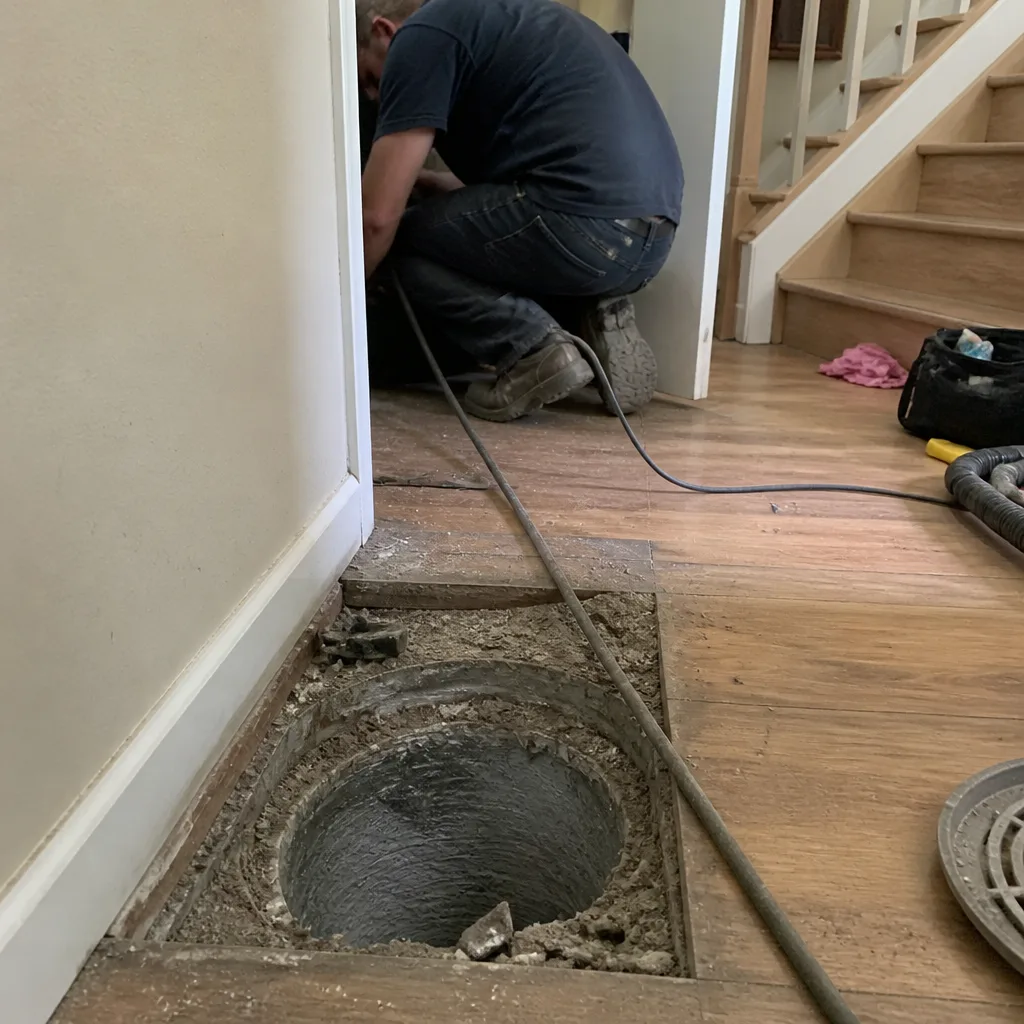 Before
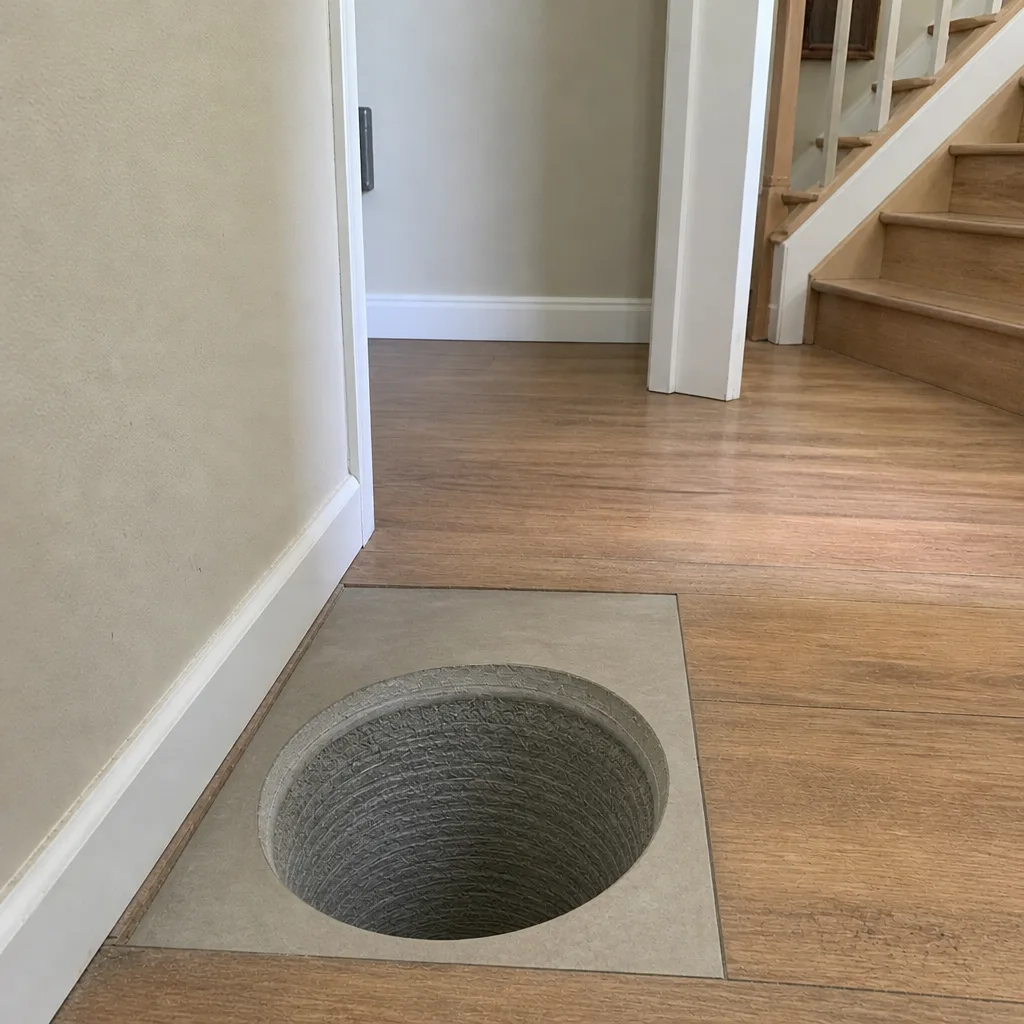 After
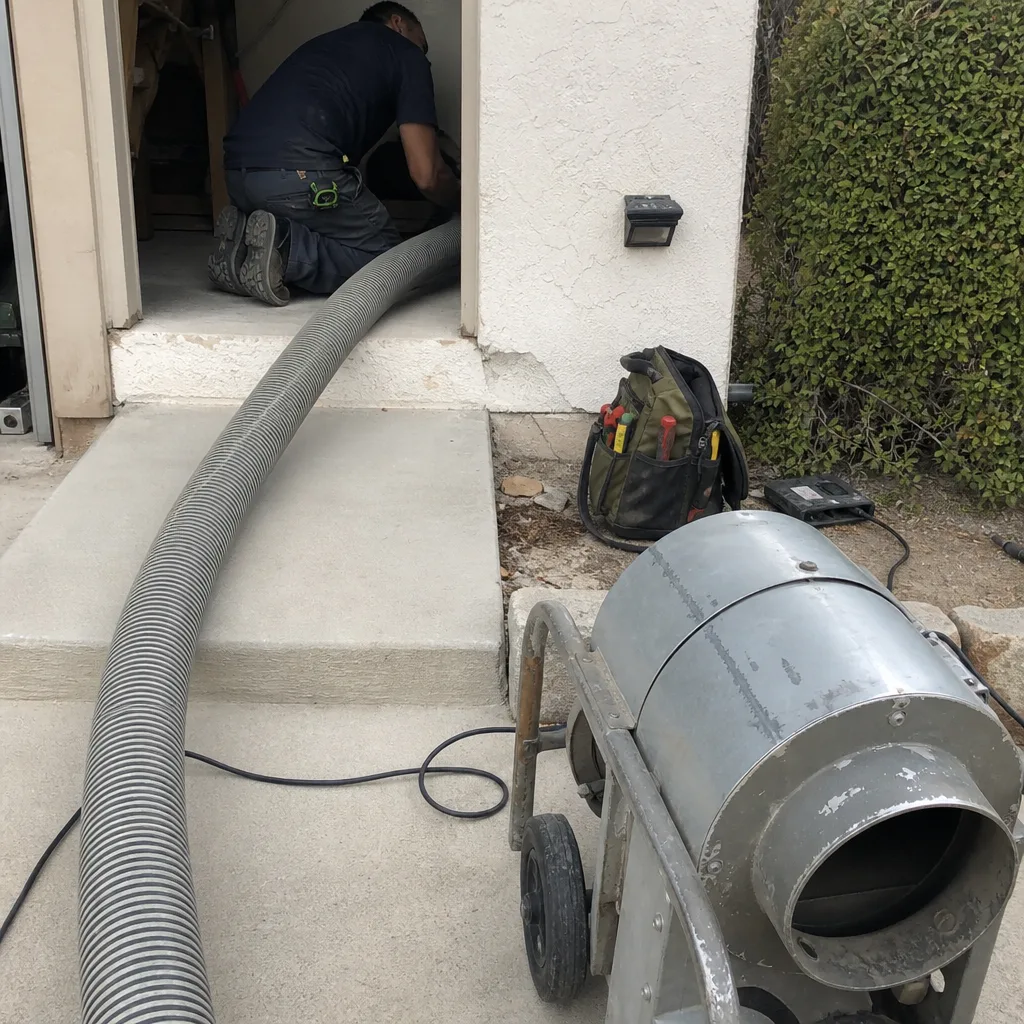 Before
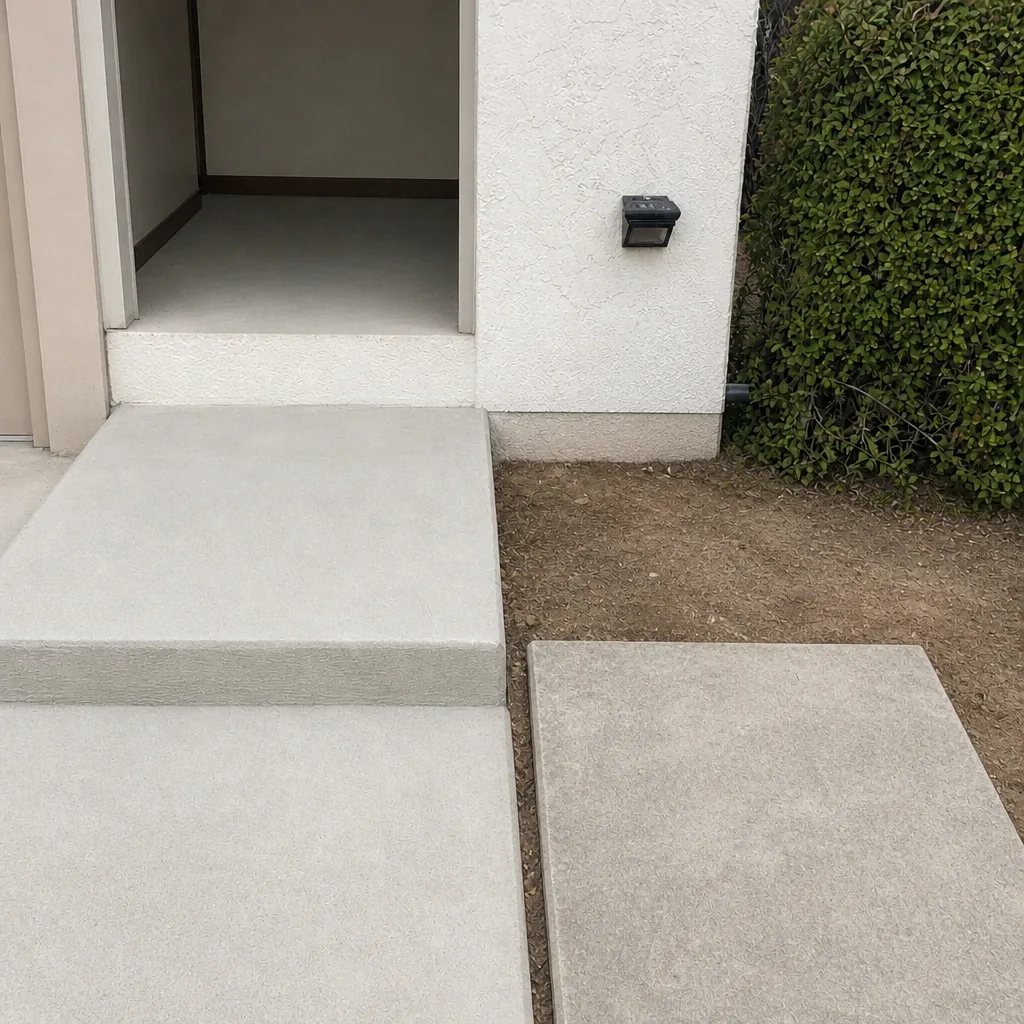 After
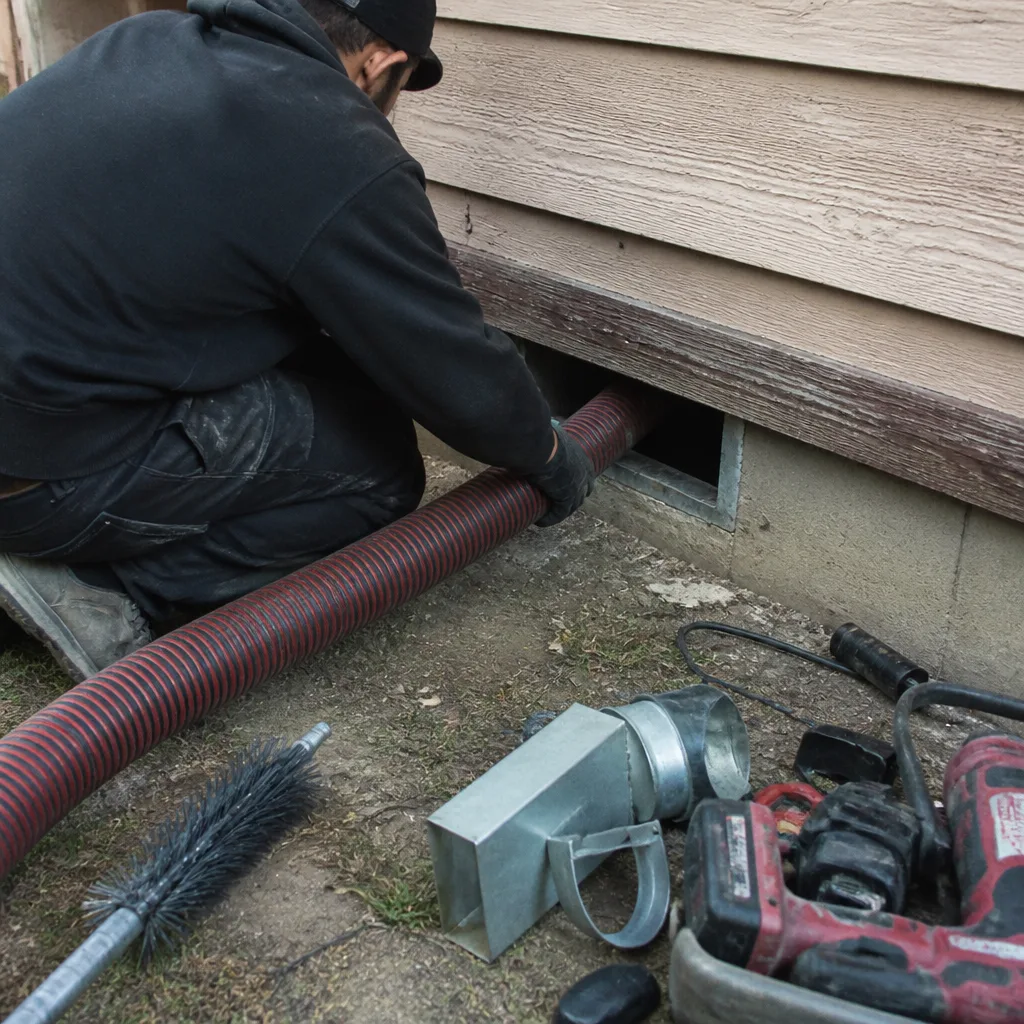 Before
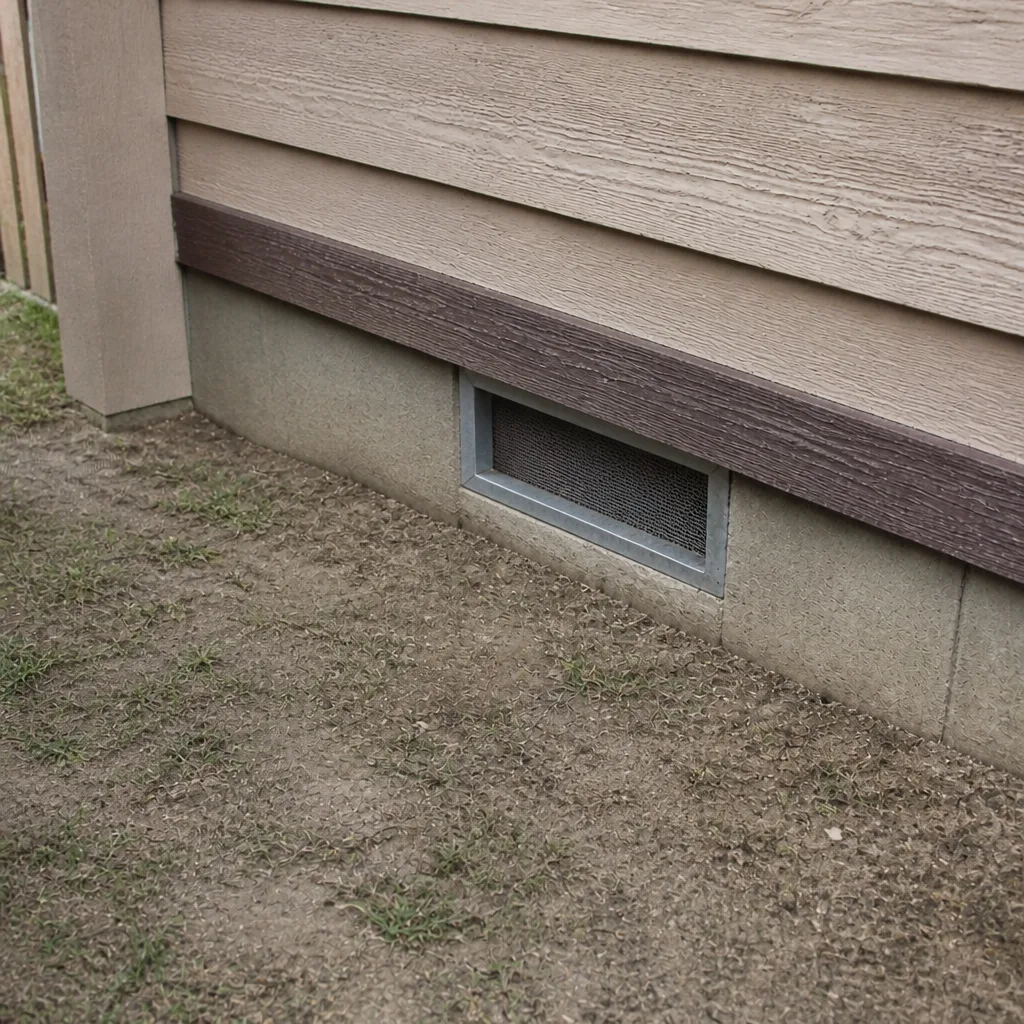 After
When to Call a Professional
Call a professional when a checklist item has escalated: visible black streaking at a return, debris blowing from a supply register, a persistent odor that survives two filter changes, or evidence that your return plenum is pulling attic air. Call when a full cleaning is due by register-level evidence – typically every two to three years for a Thornton home on a normal filter schedule, sooner if the roof or an addition has been under construction. Call the moment a duct cleaning estimate reveals sealing or repair work is also needed, so you’re not hiring two contractors for what should be one visit.
Thornton Air Duct Cleaning Pros offers free estimates in Thornton – call (888) 845-7534. We answer 24/7, and crews are dispatched from 7am to 7pm, Sunday through Friday.
Frequently Asked Questions
Most Thornton homes are on a two-to-three-year cycle. The exact interval depends on filter discipline, sealing quality, and whether the household has pets, does remodeling, or runs the system heavily through smoke season. The register-level check is a better gauge than the calendar – if the boots and grilles show uniform dust film, you’re fine; if they show powdery accumulation or streaking, it’s time. Call (888) 845-7534 for a free estimate if you’re unsure.
No. Consumer shop vacs don’t have the airflow or containment to move the debris a duct system holds, and pulling debris loose without proper negative air can blow it into the living space. The right equipment is contractor-grade rotary brush and vacuum systems like Rotobrush and Nikro, with Abatement Technologies containment for full HEPA-level capture. Call (888) 845-7534 to schedule a proper cleaning instead.
Almost always a sealing problem upstream. If the return plenum is pulling attic air, if a boot connection has failed, or if the filter housing has a bypass gap, the system re-contaminates in one season. Cleaning without sealing is why people feel like their ducts get dirty again “faster than they should.” The fix is having both services done in the same visit – call (888) 845-7534 to talk through your system.
Both, in different ways. A higher-MERV filter catches more particulate from the air that reaches it, which reduces downstream dust. But a high-MERV filter on an undersized return or a leaky plenum can restrict airflow and strain the blower, and it does nothing about unfiltered air bypassing the filter entirely. Seal first, filter second. Call (888) 845-7534 if you want an inspection that tells you which problem you actually have.
We quote per system, not per vent, so the price you agree before work starts is the price you pay. A full-system visit typically includes cleaning of the supply, return, and the air handler connections, with register-level before-and-after photos so you can confirm what was done. Sealing, repair, or sanitizing are quoted separately if the inspection finds they’re needed. Call (888) 845-7534 for an exact estimate – estimates are free.
Before-and-after photos at each register and at the air handler connections, taken during the visit. That’s the standard we hold to, and it’s the reason we use contractor-grade equipment: the photos show real change, not just a surface wipe of the grilles. Ask for photos from any cleaner – the ones who can show them are the ones doing the work. Call (888) 845-7534 to book a cleaning with documented results.
The Bottom Line
Duct cleaning is one event inside a maintenance loop, not a reset that runs indefinitely. The Thornton homeowner who keeps the loop going – filter log matched to runtime hours, a maintenance calendar calibrated to the local smoke and construction-dust seasons, the three upstream components serviced on schedule, and a 60-second check at each register – gets three years of clean air from what someone else gets in one. The rest escalates to a professional call the moment evidence appears: streaking, odor, or debris. Our team works with Rotobrush, Nikro, and Abatement Technologies equipment and services Honeywell and Aprilaire systems daily. If a checklist item has escalated, or if a full-system cleaning is due, call (888) 845-7534 for a free estimate. The written estimate sets the price, and the photos at the end confirm the work.
For more on the full scope of services we cover, see Thornton Air Duct Cleaning Pros.
Written by the team at Thornton Air Duct Cleaning Pros.