
Last updated November 23, 2026
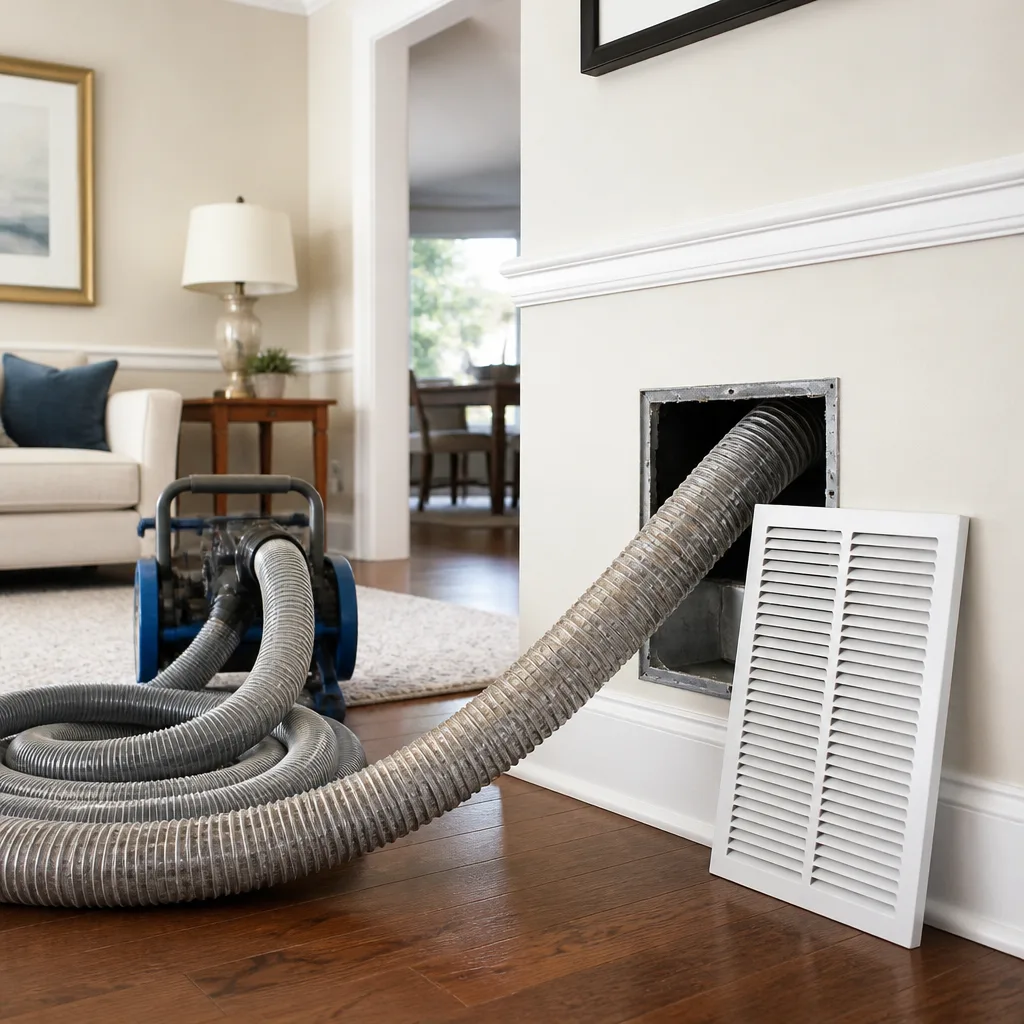 Whole-home duct cleaning
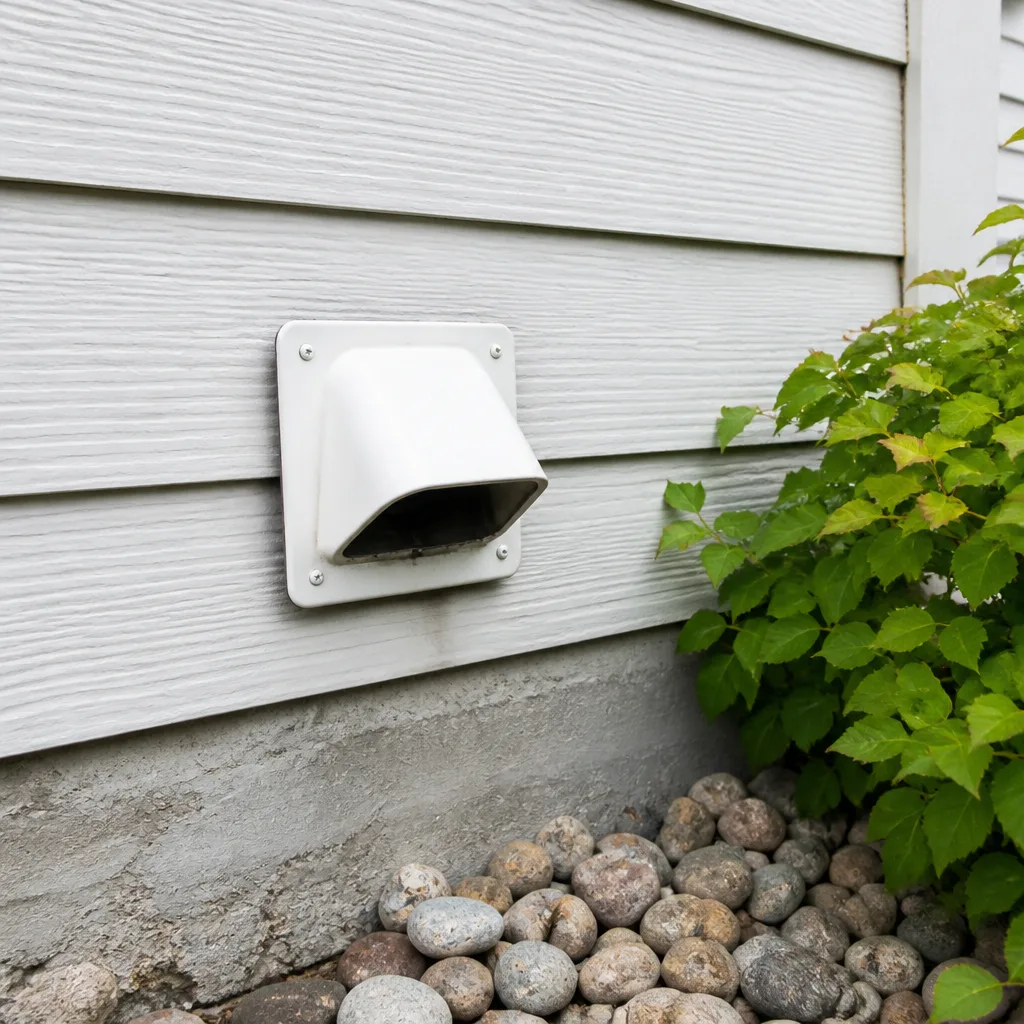 Dryer vent cleaning
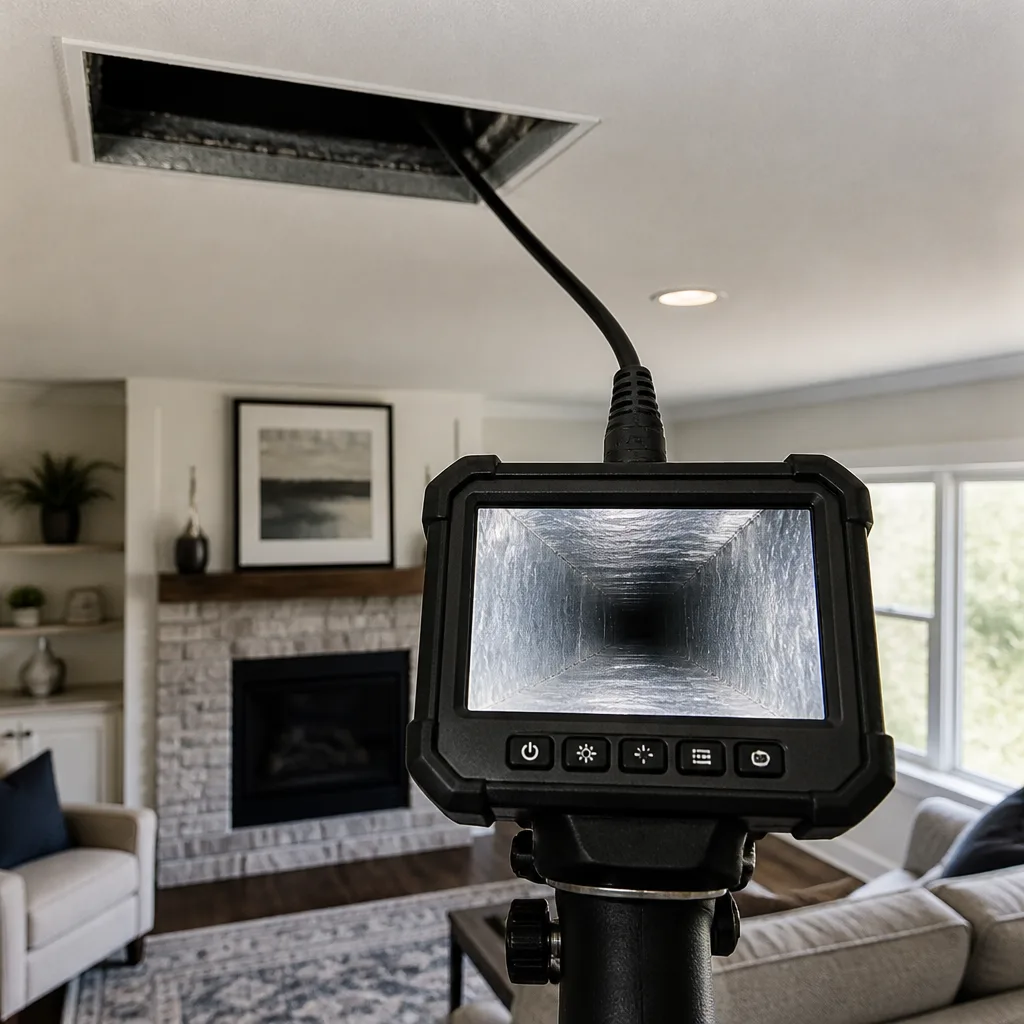 Camera inspection
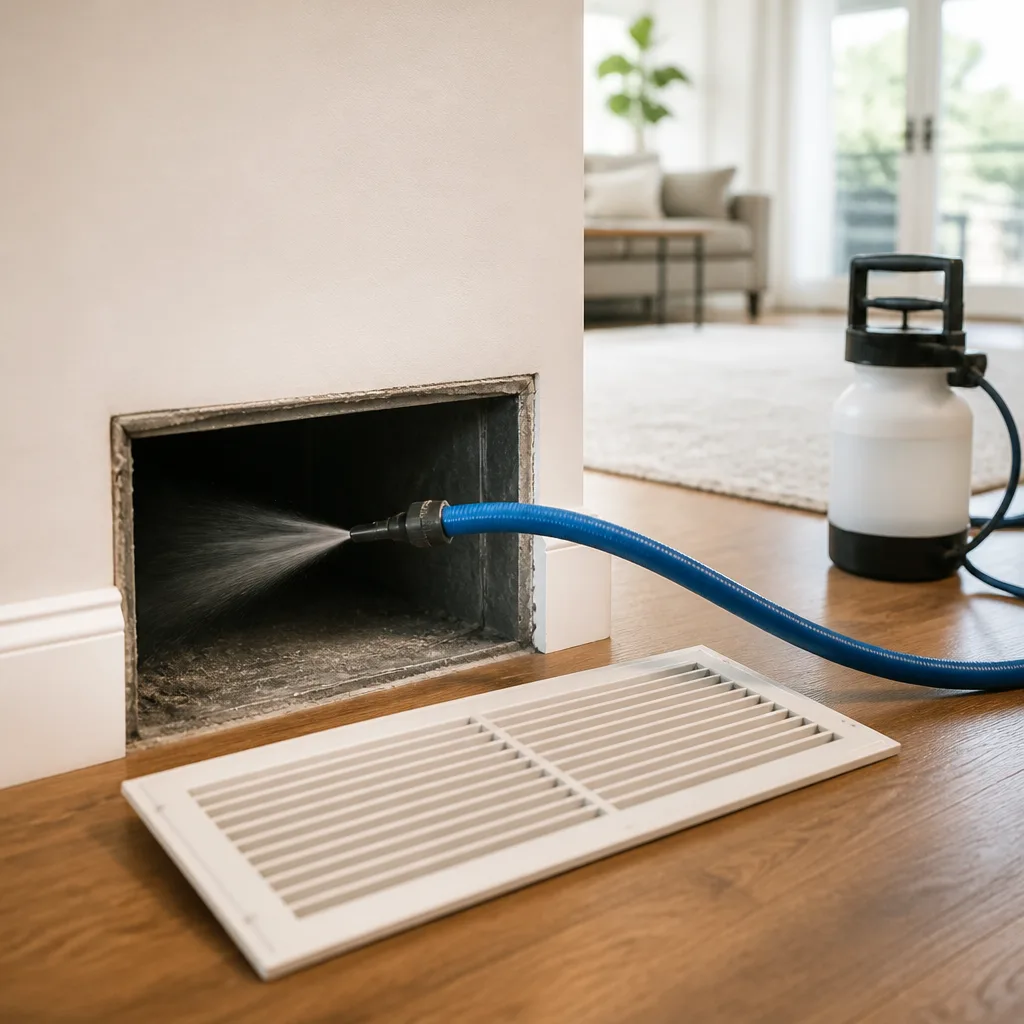 Sanitizing & deodorizing
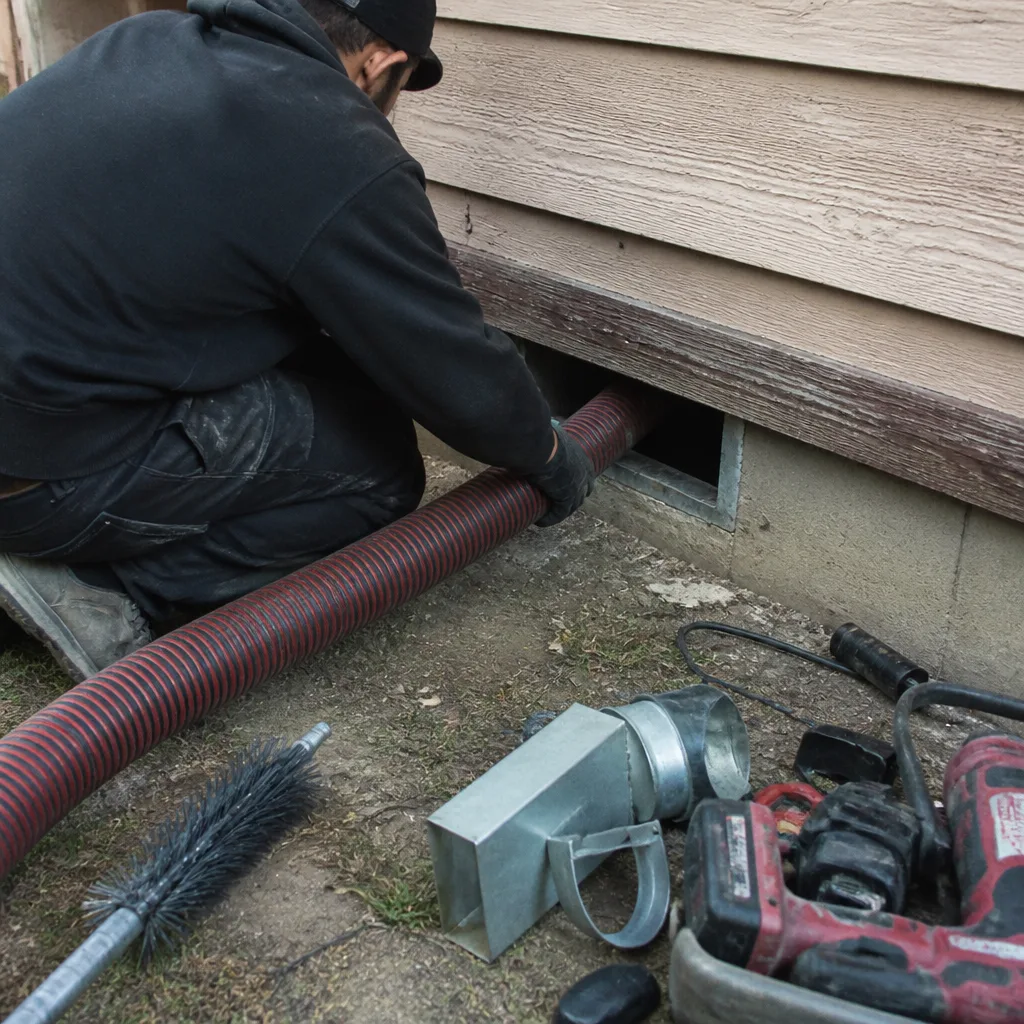
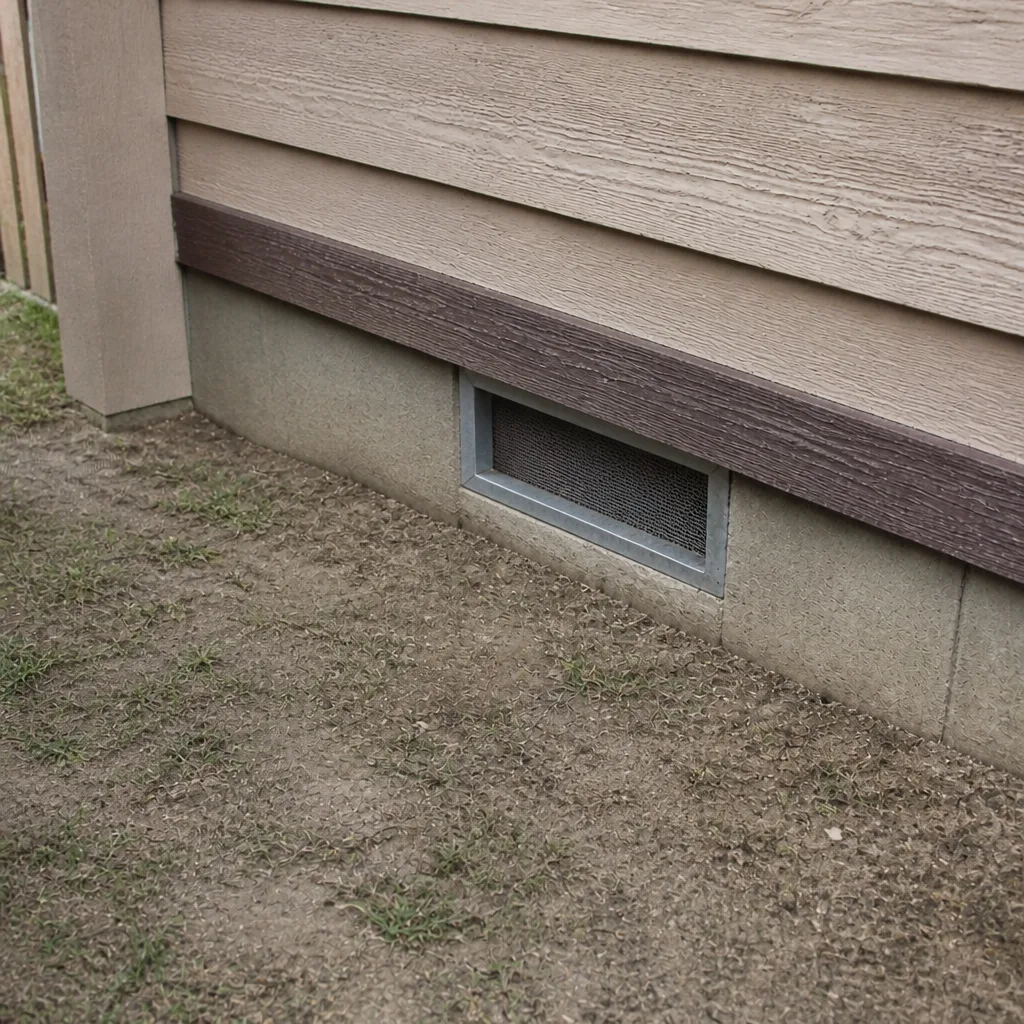
Whole-system duct and dryer vent check with before-and-after photos - you see exactly what came out of your vents
That "$99 whole-house special" is a bait ad - the real number appears once they are in your hallway, or the "clean" is a shop-vac at the register. We photograph the inside of your ducts before and after instead.
Air Duct Cleaning Permits, Codes & Inspections in Thornton, CO: What You Need to Know
Here’s the part of duct cleaning almost nobody explains before the work starts: cleaning your ducts is not a permitted activity in Thornton, but the services bundled into that same visit often are. A contractor who installs an in-duct UV purifier, cuts open the air handler cabinet, or replaces a section of rigid duct during a cleaning visit may have just performed unpermitted HVAC modification work in your home. The permit, and the liability that comes with it, lands on the property. That’s you. This guide separates routine maintenance from permitted modification, explains how Colorado’s mechanical code reaches down into something as ordinary as a duct access panel, and shows you how to ask for a scope-of-work letter that puts every service’s permit status in writing before a tool comes out of the truck.
Quick Answer
In Thornton, CO, air duct cleaning itself does not require a permit. What does require a permit is any work that modifies the HVAC system rather than restores it: cutting new duct openings, replacing rigid duct sections, sealing with mastic into a structural chase, installing UV or powered filtration equipment, or altering the air handler cabinet. Reinstalling an access panel exactly as you found it, cleaning coils, and reconnecting existing flex duct are maintenance, not modification. The permit line in Thornton tracks that modification distinction, so the honest answer to “Do I need a permit?” is: not for cleaning, sometimes for the add-ons.
Styles & brands we work with
- Whole-home duct cleaning
- Dryer vent cleaning
- Camera inspection
- Sanitizing & deodorizing
Table of Contents
- Does Air Duct Cleaning Require a Permit in Thornton?
- What Thornton and Adams County Codes Actually Regulate
- Which Add-On Services Cross Into Permitted Work
- How Colorado’s Mechanical Code Applies to Duct Access Panels
- What “Like for Like” Means Legally
- When Insurance or a Manufacturer Warranty Needs Permitted Work
- How to Request a Scope-of-Work Letter
- What an Inspection Looks Like in Practice
Does Air Duct Cleaning Require a Permit in Thornton?
No. Air duct cleaning is a maintenance activity in Thornton, and Thornton’s permitting process does not issue permits for cleaning a duct system. You won’t find a duct-cleaning permit application at the city building department, and no legitimate contractor should tell you one is required. That much is simple.
The complication starts with what “duct cleaning” has come to mean on a modern invoice. A cleaning visit in a Thornton home often includes a handful of related tasks. Some of those tasks are maintenance. Others are regulated work.
Here’s the distinction that matters:
- Maintenance (no permit): removing debris from supply and return ducts, cleaning the air handler’s accessible components, cleaning evaporator coils, vacuuming registers, sanitizing duct interiors, reconnecting existing flex duct to an existing collar.
- Modification (permit territory): cutting a new opening in ductwork, replacing a rigid duct run, installing a UV air purifier or powered whole-home filtration unit that ties into the system, relocating a register, altering the air handler cabinet or plenum.
In our experience, homeowners rarely get this distinction explained before a visit. The call is sold as cleaning, the invoice includes an installed purifier, and nobody makes clear that the installation side of the work falls under mechanical permitting. If you’re weighing whether to book air duct cleaning at all, the permit question mostly disappears. It reappears the moment the scope grows.
Thornton sits inside Adams County, where the city administers its own building department and permitting for the developed areas of the city. That means the building department you’d call for a mechanical permit question is Thornton’s, not the county’s, for most residential addresses in Thornton. If you’re ever unsure which authority has jurisdiction over your property, a phone call to the city building department settles it faster than any web search.
What Thornton and Adams County Codes Actually Regulate
Local building departments, including Thornton’s, administer mechanical code for HVAC work within their jurisdiction. The code that governs the mechanical side of a home in Colorado is the International Mechanical Code, adopted at the state level and then adopted, sometimes with local amendments, by each jurisdiction. Thornton’s building department applies that framework to the work on your home.
What the mechanical code actually covers when it comes to ductwork breaks into a few categories:
- New installations. A new forced-air system, a new duct system, or a new exhaust system needs a mechanical permit and inspection before it’s covered or concealed.
- Alterations and replacement. Replacing a duct system’s major components or changing its configuration falls into the alteration category, which generally requires a permit.
- Routine maintenance and repair. Cleaning, servicing, and repairing existing components so they operate as designed is generally treated as maintenance and does not require a permit.
Duct sealing is the gray zone that catches people. Sealing a few obvious leaks with mastic or foil tape is maintenance. Sealing the entire duct system as a deliberate upgrade, adding sealant inside every joint, or wrapping ducts into a new configuration is closer to an alteration, and some jurisdictions look at it that way. In Thornton, a small repair-and-reseal after a cleaning visit doesn’t trigger a permit. A full-system duct sealing project may be a conversation with the building department.
There’s a climate reason this matters here. Thornton sits on the Front Range, where summer heat and winter cold swings put real demand on a duct system. Ducts in unconditioned attic space take the brunt of it. When a contractor proposes to add insulation wrap or reconfigure a run to improve performance, that proposition is a system change, not a cleaning, and it’s the kind of work the code treats as an alteration.
Which Add-On Services Cross Into Permitted Work
Any add-on that changes how the system moves air or adds equipment to it is a potential permit item. Cleaning itself never is. Here’s how the common bundle items land:
- In-duct UV air purifier installation. A UV lamp installed inside the supply plenum or duct requires cutting the duct, mounting a fixture, and running electrical. That’s mechanical and electrical work, and in most Colorado jurisdictions it triggers a permit. It’s also a change to the system, which matters for your HVAC warranty, discussed below.
- Powered whole-home air filtration. A Honeywell or Aprilaire media cabinet or powered filter installed inline in the return is a permanent system component. Installation is permit territory; cleaning around an existing one is not.
- Duct sealing with mastic or aerosol. Small joint repairs after a cleaning: maintenance. Full-system sealing as a deliberate energy upgrade: possible permit, and worth asking the building department directly.
- Register and grille replacement. Swapping a grille for a like-sized grille is maintenance. Cutting a larger opening for a bigger register, or adding a register where none existed, changes the duct and requires a permit.
- Duct section replacement. If a cleaning reveals crushed or disconnected flex duct and a run needs replacement, that replacement is generally an alteration requiring a permit when it’s more than a simple reconnect.
- Dryer vent cleaning. Cleaning an existing dryer vent doesn’t require a permit. Replacing a dryer vent run or changing its termination does, and it’s the kind of change the mechanical code is specific about.
In our experience working with HVAC cleaning and full-system work, the homeowner’s real risk is bundling. When a crew quotes a cleaning price that includes “free” UV installation or “free” duct sealing as an incentive, ask what the permit status of that work is. A contractor who installs mechanical equipment without a permit can leave the homeowner holding the bag when it comes time to sell the house, file an insurance claim, or claim a warranty.
How Colorado’s Mechanical Code Applies to Duct Access Panels
Here’s where the code shows up in a place most homeowners never look: the access panel.
To clean a duct system properly, technicians need to reach the interior of the air handler and often cut or remove an access panel on the plenum or on rigid trunk lines. The mechanical code, following the International Mechanical Code framework, requires duct systems to remain sealed and to be accessible for maintenance. When an access panel is removed for cleaning and put back, the code cares about one thing: whether the panel goes back in a way that restores the system’s seal and its access.
What that means in practice:
- Reinstalling the same panel in the same opening, with the same gasket or sealant, is restoration. This is maintenance. No permit, no inspection. If a company cuts a service opening for cleaning access, they’re obligated to seal it back properly with mastic or an approved closure method that keeps the system airtight.
- Replacing a panel with a different panel, cutting a new opening for cleaning access where none existed, or modifying the plenum for a new component is a modification. That’s where permit and inspection come in, depending on the size and nature of the change.
- A cut opening that isn’t resealed properly is a code violation regardless of permits. Even without a permit, improperly sealed ductwork fails the code’s sealing requirement. That’s why a good cleaning company seals every opening it makes.
This is where the equipment differential matters. Contractor-grade containment equipment from Abatement Technologies is designed to hold the system under negative pressure during cleaning so debris doesn’t escape into living space, and a proper rotary brush system like Rotobrush works through existing openings when possible. The fewer new cuts a crew has to make, the less restoration work the code requires. It’s worth asking any contractor how they plan to access the system before they arrive.
What “Like for Like” Means Legally
“Like for like” is the phrase contractors use for restoring what was already there. Under the mechanical code framework, replacing a component with an identical or equivalent component in the same location without changing the system’s capacity or configuration is generally treated as repair rather than alteration. In many jurisdictions, repair doesn’t require a permit; alteration does.
In a duct cleaning context, like for like shows up in specifics:
- Putting a grille back in the same opening with the same size grille: like for like.
- Replacing a damaged piece of flex duct with the same diameter, same length, same route: generally like for like, and often no permit.
- Replacing a rigid duct run with a longer run, a different diameter, or a different route: not like for like. That’s an alteration.
- Reinstalling the air handler access panel with the original gasket style: like for like, maintenance.
- Installing a new access panel with a different design so the air handler is easier to service: not like for like if it changes the plenum’s configuration, and this is the kind of change that can require a permit.
The legal significance is this: if a dispute ever arises (with a contractor, an insurer, a buyer, or the city), the paper trail matters. A contractor who can document that every change was like for like is standing on solid ground. A contractor who made a modification and didn’t permit it left the homeowner in the gap. We’ve seen the second scenario far more often than it should happen, and the fix usually runs higher than the permit would have.
When Insurance or a Manufacturer Warranty Needs Permitted Work
Two separate systems can require documented, permitted work for any modification to your HVAC: your homeowner’s insurance policy and your equipment manufacturer’s warranty. Neither one cares what a contractor told you verbally. Both care about paper.
Homeowner’s insurance
Most homeowner policies cover sudden damage to the HVAC system, but they exclude damage caused by faulty installation or unpermitted work. If a UV purifier installed without a permit causes a fire, an electrical fault, or a duct issue that damages the system, the insurer can reduce or deny the claim on the grounds that the work was never permitted. The policy documents refer to code compliance and lawful installation, and a permit is the proof of that. If you’re ever filing a claim related to your duct system, having the permit and inspection records for any modification is the difference between a paid claim and a fight.
Manufacturer warranty
Equipment warranties, including those on the air handler and on any Honeywell or Aprilaire air quality equipment installed in the system, typically require installation in accordance with local codes and by qualified installers. Unpermitted modification work is an easy excuse for a manufacturer to void coverage on a component they’d otherwise replace. If a cleaning visit bundles a UV installation or a filter cabinet install, the warranty on that equipment depends on proper permitting and proper installation. Familiarity with Honeywell and Aprilaire systems matters here too. A technician who knows how those systems are installed can clean around them without disturbing connections or voiding coverage, which is a real difference from a crew that hasn’t worked with them.
Both of these realities feed one practical rule: any service beyond cleaning that touches the system, adds equipment to it, or changes its configuration should carry a permit, and you should keep the paper. Cleaning alone is where your warranty stays quiet.
How to Request a Scope-of-Work Letter
A scope-of-work letter is a one-page document from the contractor that lists every service being performed, states whether a permit is required for each, and identifies who is pulling the permit. It protects you, and it forces clarity before the work starts.
Here’s how to ask for one:
- Ask at the estimate, before booking. “Can you provide a written scope of work that lists each service and its permit status?” Any contractor who can’t answer that question promptly is telling you something.
- Require the letter to break out cleaning from add-ons. The cleaning portion should be itemized separately from any UV installation, duct sealing, register replacement, or duct section replacement.
- Require a line for each add-on’s permit status. The letter should say either “permit required, contractor will pull” or “maintenance, no permit required,” with a one-sentence basis for the call.
- Require it in writing, not on a call. Verbal confirmations don’t protect you if a dispute happens later. A written letter does.
- Confirm who pulls the permit. If a permit is required, the licensed contractor pulls it, not the homeowner. If a contractor asks you to pull the permit as an owner-builder, that’s a signal they aren’t taking responsibility for the work.
- Keep the letter with your home records. If you ever sell the home or file a claim, this is the document that connects the work to its permit status.
This is where our own process matters. When we quote a job in Thornton, every add-on service gets the permit question answered up front. If a UV installation is in scope, we say so, we say what permit it requires, and we don’t put it in a bundle that hides the fact. If the scope is cleaning and sealing a mastic joint, we say so too, and we don’t run a permit that isn’t required. Accuracy on both sides is what a scope-of-work letter is for.
What an Inspection Looks Like in Practice
An HVAC inspection on a duct-related job, when it happens, focuses on code compliance of any modification, not on how clean your ducts are. There’s no inspector who grades cleaning. The inspection is about the system’s mechanical integrity.
Here’s what a typical inspection on a duct modification covers:
- Sealing. Every joint, connection, and access opening must be sealed to the code’s requirements. Duct tape alone often fails inspection; mastic or approved sealing methods are what inspectors look for.
- Support and routing. Ducts must be supported as required by code and routed as authorized on the permit. A run that dips or sags unsupported is a common inspection correction.
- Connections. Flex duct connections to collars must be secure and mechanically fastened plus sealed. Loose connections fail inspection.
- Access. The system must remain accessible for service, and access panels must be present where required.
- Equipment installation. For a UV or filtration unit, the electrical connections and mounting must meet code and be documented on the permit.
An inspection only happens if a permit was pulled. If no permit was pulled for work that required one, the inspection never occurs, and the homeowner’s exposure is silent. That’s the trap: an unpermitted modification passes as “done” until it doesn’t. Selling the house, filing a claim, or a warranty problem is when the missing permit surfaces.
Thornton homeowners should also know that cleaning, as such, is never inspected and never permitted. It’s an unregulated activity from a code standpoint, which is a separate issue: it means a duct cleaner’s qualifications aren’t checked by anyone but you. That’s why verifying equipment, reputation, and process matters more than checking a permit for the cleaning side. Read carefully when a company claims permits are needed for cleaning itself; they aren’t, and it may be a sign of upselling.
Common Mistakes to Avoid
- Assuming the cleaning invoice covers the permit for the UV install. If a purifier or powered filtration unit goes in during the same visit, it’s a separate permit question. Ask what permit is being pulled before you agree to the installation.
- Believing a contractor who says “we never need permits for duct work.” That’s true for cleaning and false for modification. A contractor who claims a blanket no-permit policy for all duct-related work is either uninformed or hoping you won’t check.
- Letting a crew cut a new access opening without asking how they’ll restore it. The code requires proper sealing, and a sloppy opening that doesn’t get mastic-sealed properly leaves gaps that leak air and fail compliance. Every new cut should come with a documented sealing step.
- Pulling the permit yourself as an owner-builder because the contractor asked you to. That shifts the liability onto you and cheapens the work. A licensed contractor pulls the permit.
- Assuming a cheap bundle is efficient. A low cleaning price that includes “free” UV or “free” duct sealing is worth questioning on the permit side. Often the installation is unpermitted or performed by someone who shouldn’t be doing it.
- Forgetting to check manufacturer warranty terms before installing equipment. A Honeywell or Aprilaire system installed without code-compliant installation can lose its coverage. Read the warranty terms and ask specifically what’s required.
- Not asking for a scope-of-work letter. Every one of the mistakes above is caught by a written scope. If a contractor hesitates to provide one, that hesitation is the answer.
See the difference
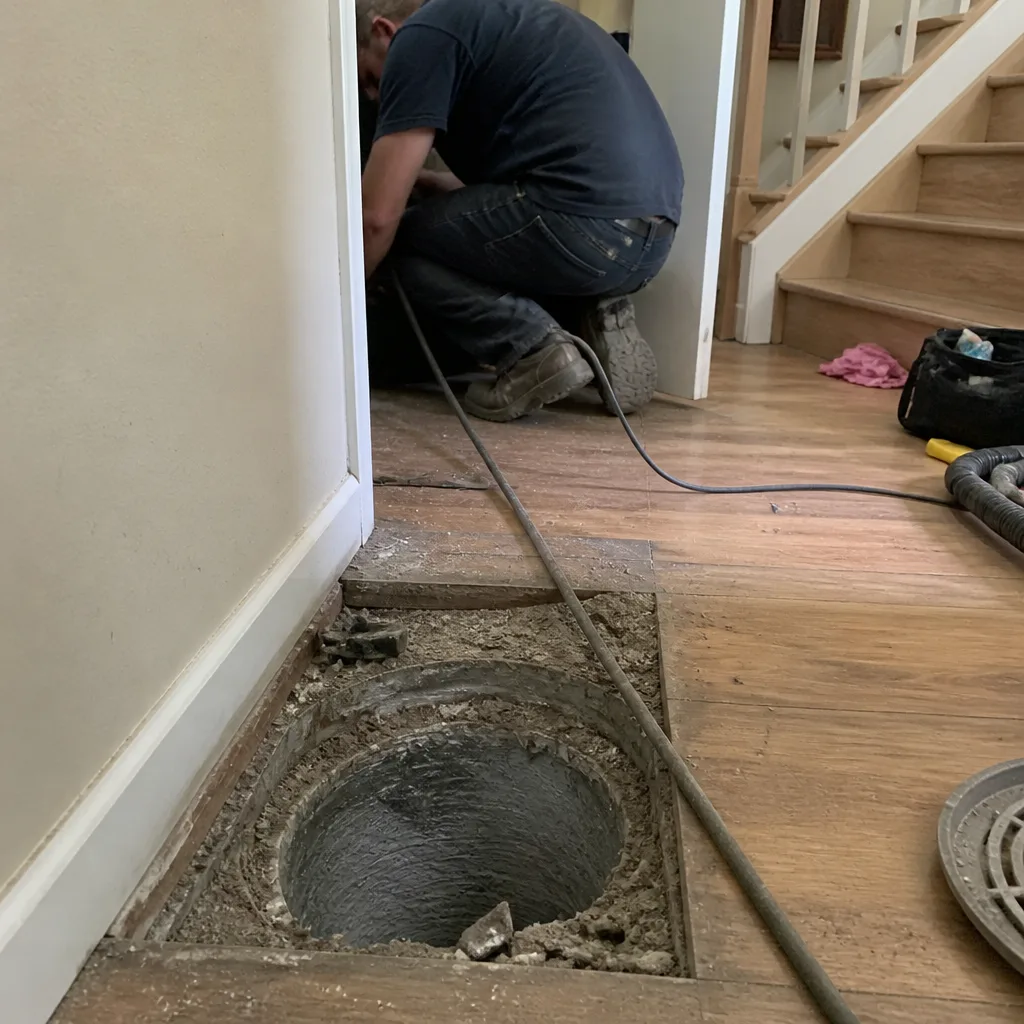 Before
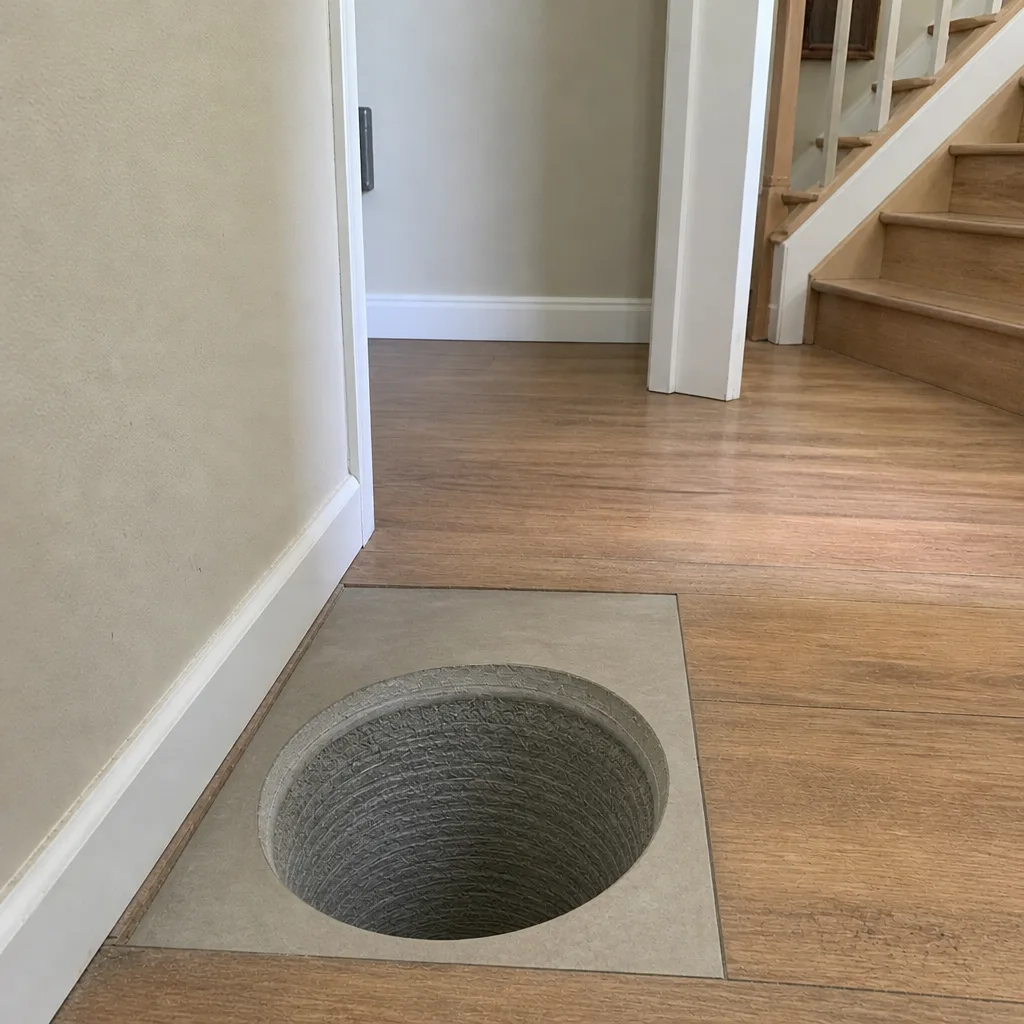 After
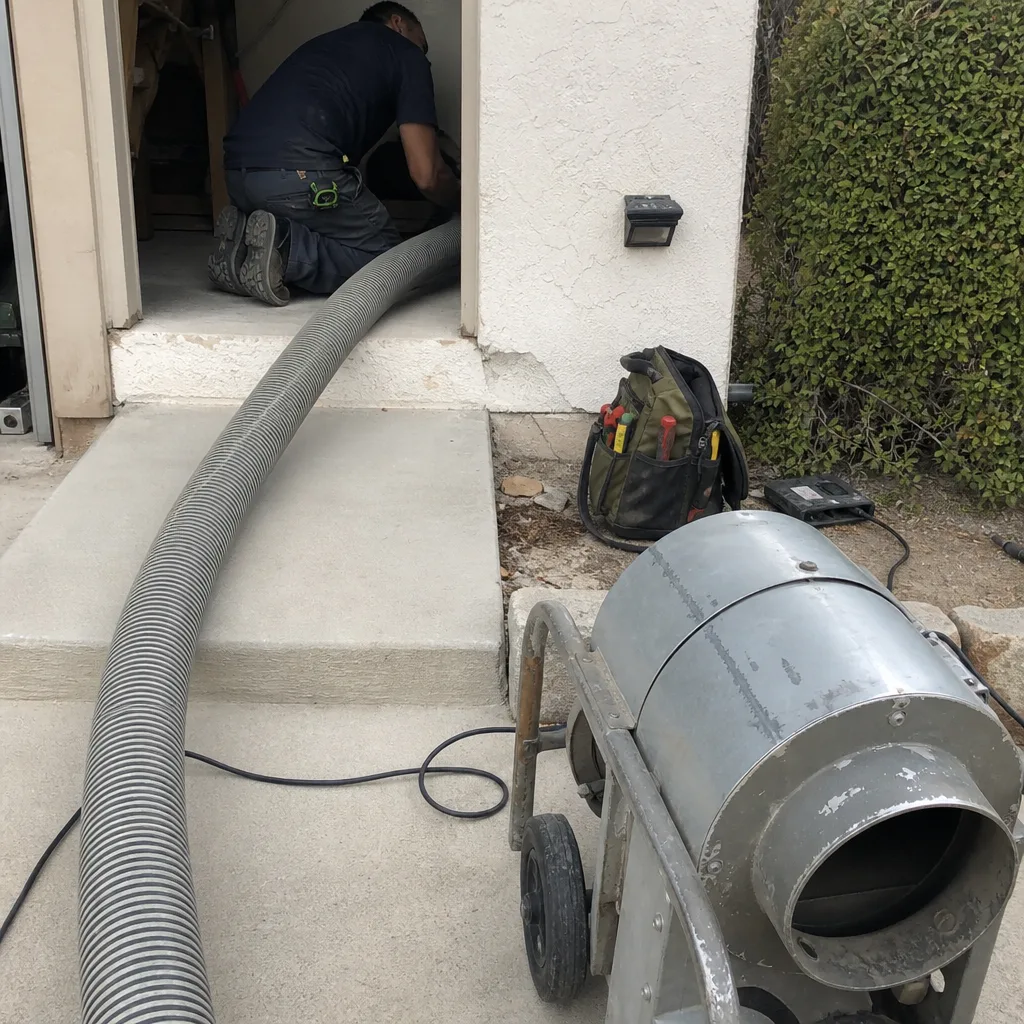 Before
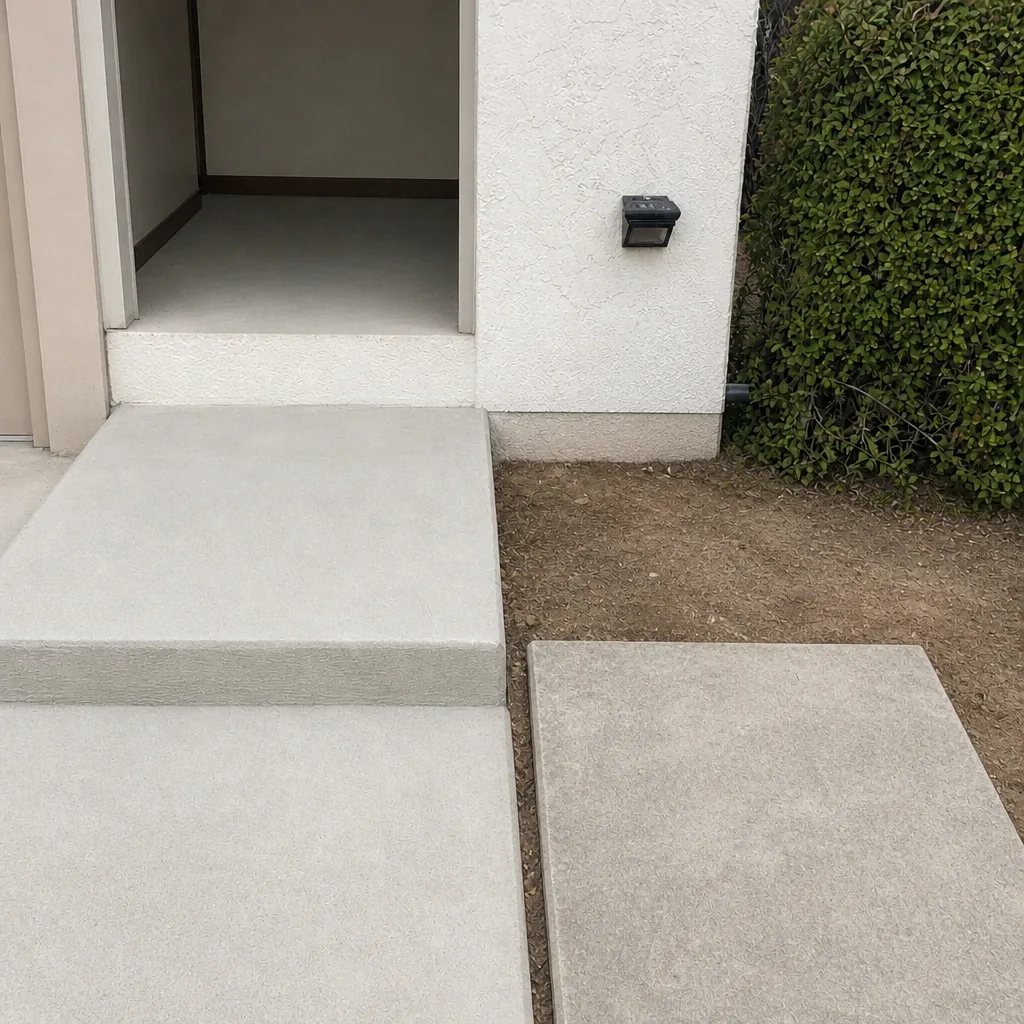 After
 Before
 After
When to Call a Professional
Call a professional when the work crosses from cleaning into anything that modifies the system: a UV installation, a powered filtration cabinet, duct section replacement, register relocation, or full-system sealing. These are the scenarios where code compliance and permits matter, and where getting it wrong costs more than calling. Call a professional too if your cleaning is turning up crushed flex duct, disconnected runs, or heavy debris you can see in the registers. Cleaning is a scheduled job, not an emergency, so booking a real crew is the right move, not waiting for a system failure. Thornton Air Duct Cleaning Pros offers free estimates in Thornton. Call (888) 845-7534. We answer 24/7. Fast dispatch from 7am to 7pm, Sunday through Friday. Every job gets one flat price per system agreed before work starts, before-and-after photos, and a scope-of-work letter that states the permit status of each service.
Frequently Asked Questions
No. Air duct cleaning itself does not require a permit in Thornton, because it’s maintenance rather than modification. The permit question only arises when the scope includes work that adds, changes, or alters system components, such as a UV installation or duct replacement. Call (888) 845-7534 for a free estimate that spells out what’s maintenance and what’s permitted.
It depends on scope. Sealing a few visible leaks with mastic after cleaning is maintenance and doesn’t require a permit. Sealing the entire duct system as a deliberate upgrade, or reconfiguring duct runs, is closer to an alteration and can require a permit. Ask the building department directly when a proposal is more than small joint repair, or ask the contractor for a scope-of-work letter that states their position in writing.
In most Colorado jurisdictions, yes. A UV purifier installed in the supply plenum or ductwork requires cutting the duct, mounting a fixture, and electrical connection, all of which typically trigger a mechanical permit. On top of the permit, an unpermitted install can void the purifier’s warranty and complicate insurance coverage if the equipment causes damage. Ask what permit the contractor will pull before agreeing to the installation.
Ask for a scope-of-work letter that itemizes each service and its permit status. Cleaning, sanitizing, coil cleaning, and reconnecting existing flex duct are maintenance. Cutting new openings, replacing rigid duct runs, installing UV or powered filtration, and enlarging register openings are modifications. The letter should state which category each item falls into and who is pulling any permit.
An access panel is the removable cover, or cut service opening, that lets technicians reach inside the air handler plenum or duct run. The mechanical code requires ducts to stay sealed and accessible. Reinstalling the same panel with a proper seal after cleaning is restoration and needs no permit. Cutting a new opening or replacing the panel with a different configuration can be a modification that requires permitting, and any cut opening must be sealed back properly to meet code.
Cheap quotes usually skip containment equipment, skip before-and-after documentation, or bundle unpermitted add-ons to look like value. A contractor-grade setup from brands like Rotobrush or Abatement Technologies costs real money, and it’s what proper containment and debris capture require. A $79 teaser doesn’t pay for that. Call (888) 845-7534 for an honest whole-system estimate; we set one flat price per system before work starts, no per-vent pricing.
The Bottom Line
Air duct cleaning in Thornton doesn’t need a permit, but the moment a visit grows into a system change, the code steps in. UV installation, powered filtration, duct section replacement, register relocation, and full-system sealing are the add-ons that cross the line from maintenance to modification. Your protection is a written scope-of-work letter that states each service’s permit status, a contractor who pulls permits when they’re needed, and a copy of the paperwork kept with your home records. We’re glad to put that letter together for any job in Thornton, along with full-system scope covering dryer vent cleaning, duct repair and sealing, and air quality sanitizing. For a straight answer on your property’s permit situation, reach out to Thornton Air Duct Cleaning Pros and get it in writing.
Call (888) 845-7534 for a free estimate. We answer 24/7. Fast dispatch from 7am to 7pm, Sunday through Friday. Our technicians have up to 11 years of experience, and every estimate is free, with one flat price per system agreed before work starts and before-and-after photos of your own ducts when we’re done.
Written by the team at Thornton Air Duct Cleaning Pros.