
Last updated November 23, 2026
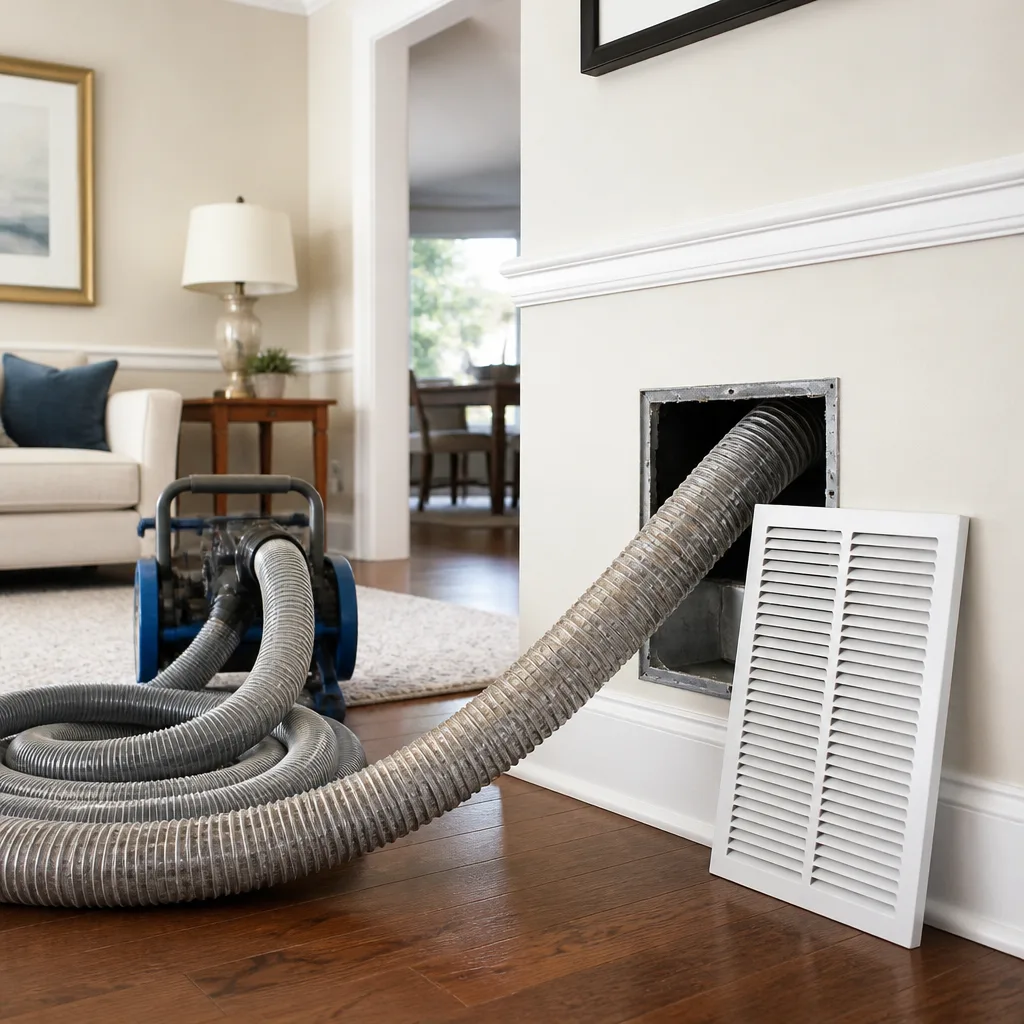 Whole-home duct cleaning
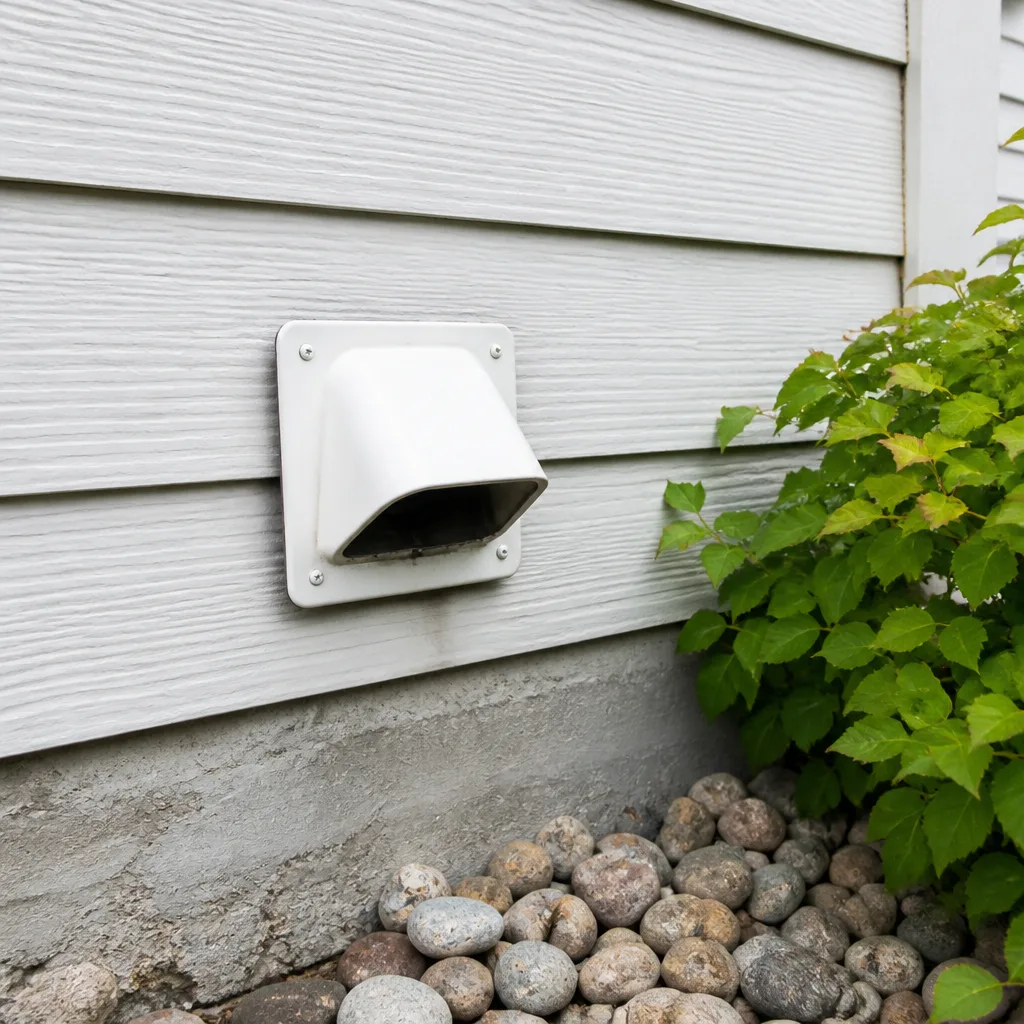 Dryer vent cleaning
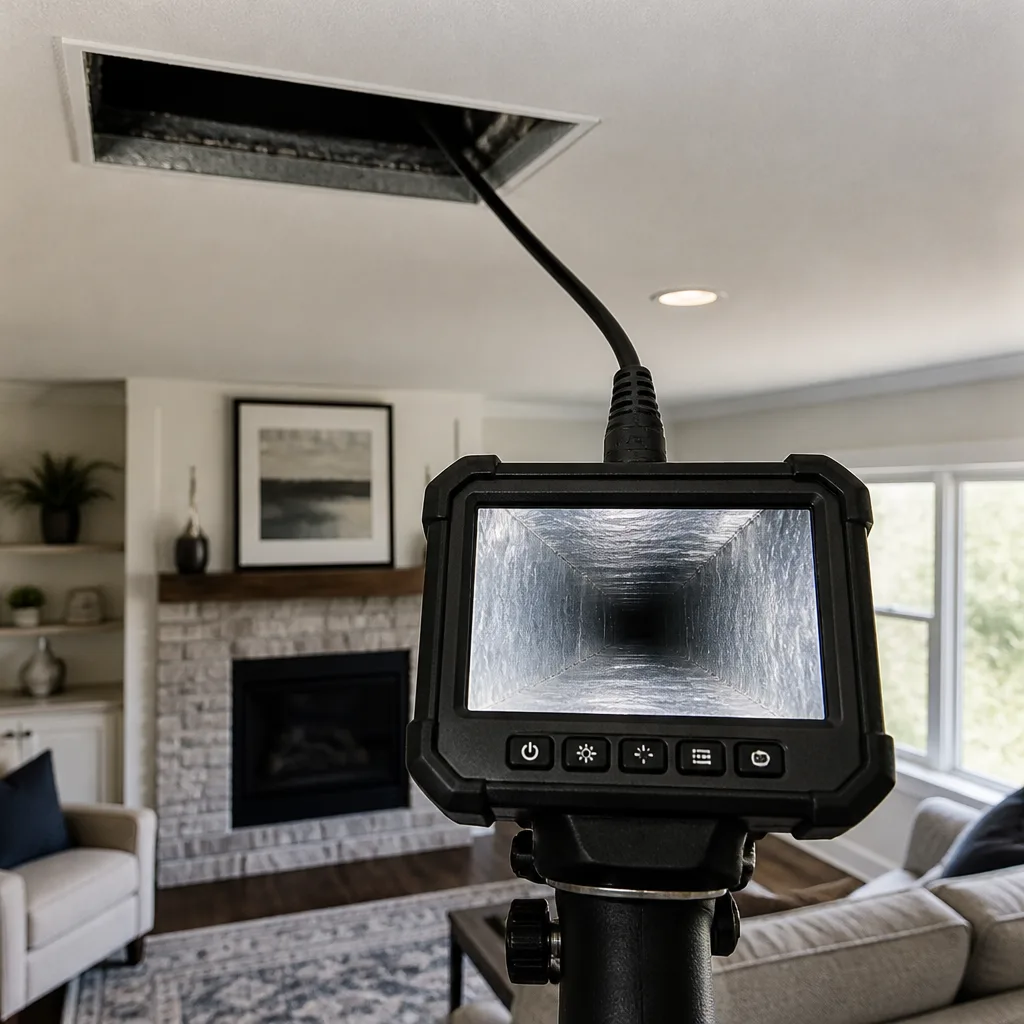 Camera inspection
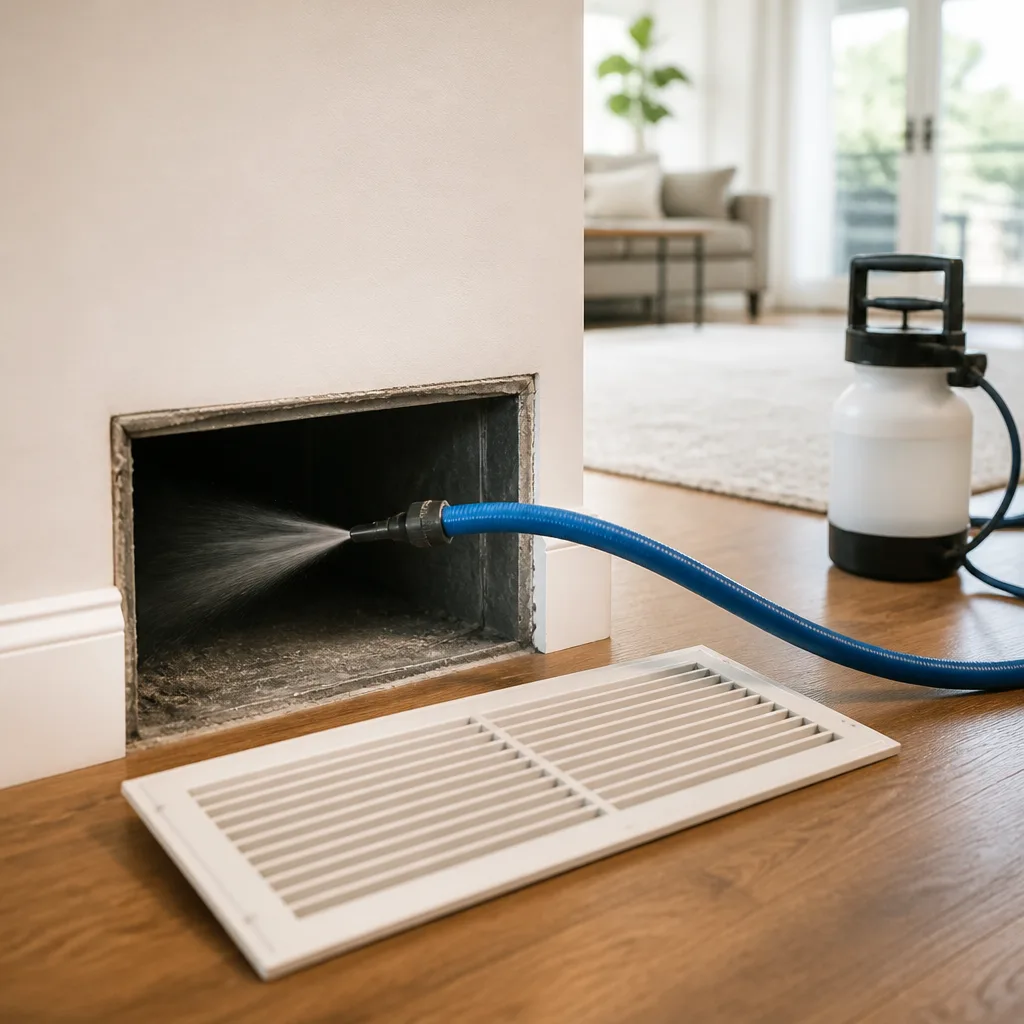 Sanitizing & deodorizing
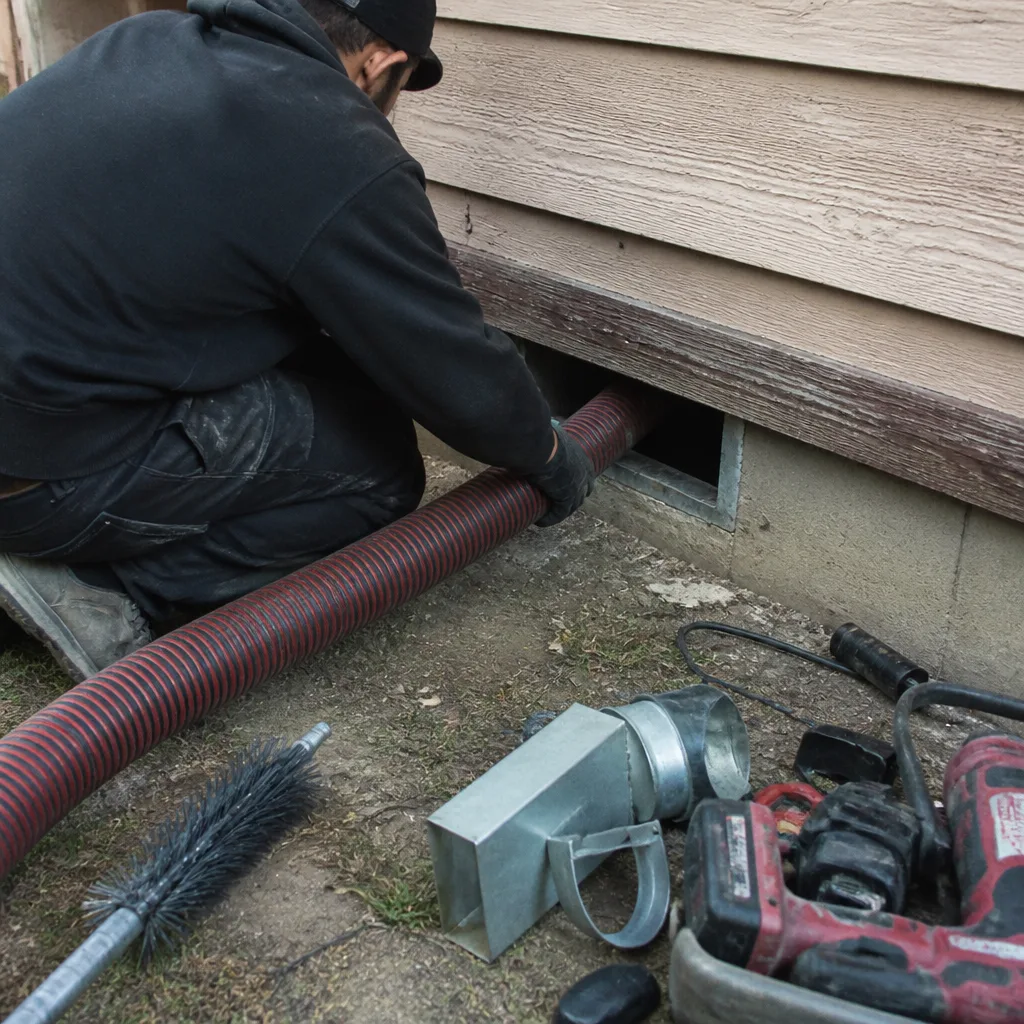
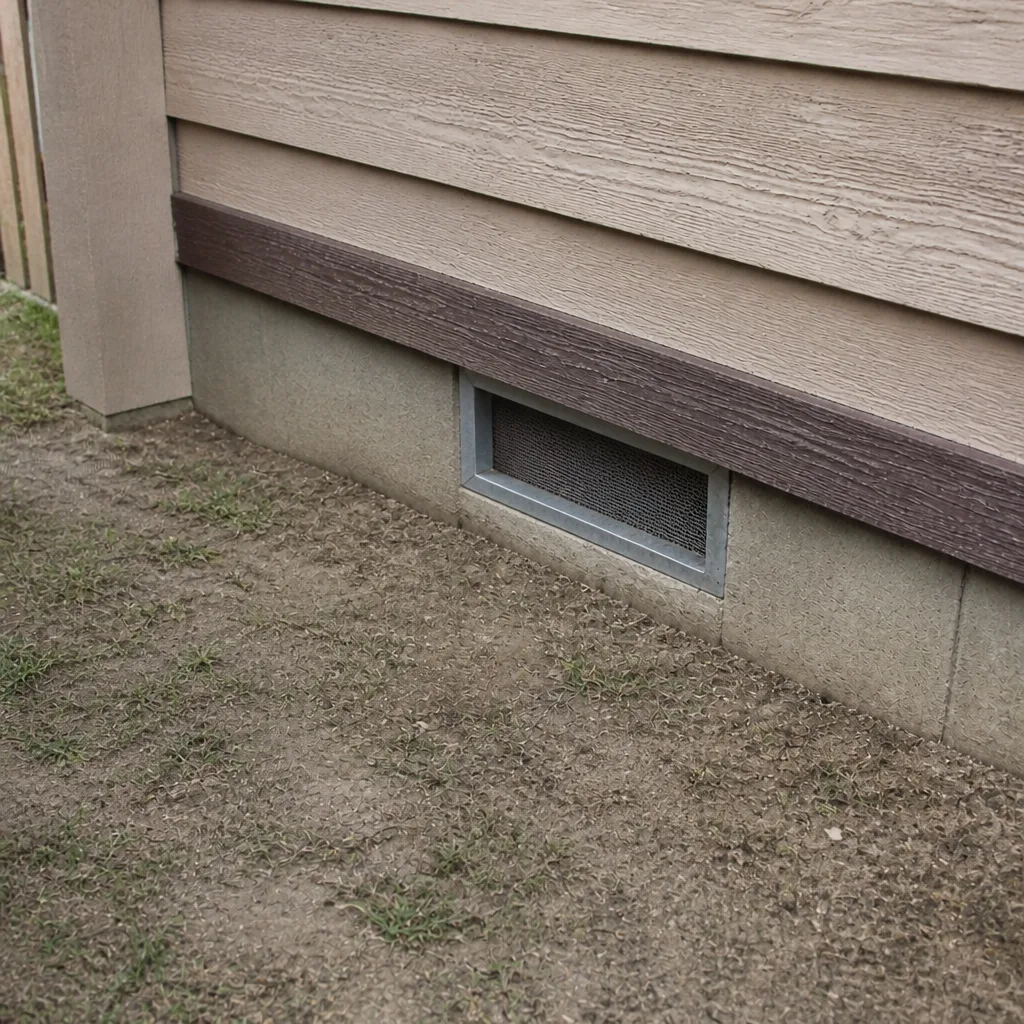
Whole-system duct and dryer vent check with before-and-after photos - you see exactly what came out of your vents
That "$99 whole-house special" is a bait ad - the real number appears once they are in your hallway, or the "clean" is a shop-vac at the register. We photograph the inside of your ducts before and after instead.
Air Duct Cleaning Warning Signs: A Thornton Homeowner’s Reference Guide
If one room in your Thornton home is consistently 4-6 degrees cooler than the thermostat setting, the most likely explanation isn’t the HVAC unit. It’s a contaminated or collapsed duct branch reducing airflow to that zone. Most homeowners chase that symptom with a service call to the furnace guy, a new air filter, or a dust rag, and the actual source keeps quietly feeding the problem. The same is true for musty smells on the first heat call of fall, dust rings on the ceiling around a register, and filters that load up in weeks instead of months. Each of these is a physical signal, and each one points back to the duct system. This guide teaches you to read those signals accurately, trace them to a specific cause, and know when cleaning alone will fix it and when it won’t.
Quick Answer
The warning signs that your Thornton air ducts need attention are visible dust rings at the registers, musty or stale odor when the heat or AC first kicks on, uneven room temperatures of 4-6 degrees or more, and air filters that clog far faster than they used to. These signals mean the duct system is either holding debris or leaking and pulling in unconditioned air, and both problems get worse the longer they sit.
Styles & brands we work with
- Whole-home duct cleaning
- Dryer vent cleaning
- Camera inspection
- Sanitizing & deodorizing
Table of Contents
- The Symptom-to-Cause Map: What Each Warning Sign Actually Means
- The Flashlight-and-Phone Test: A First Look Before You Call Anyone
- Musty Odor vs. Dust Odor: Why the Distinction Changes the Plan
- Uneven Room Temperatures and the Duct Branch Behind Them
- The Post-Renovation Warning Window: Drywall Dust That Keeps Releasing
- When Cleaning Won’t Be Enough: Signs You Need Duct Repair or Replacement
- The Dryer Vent Signal Most Homeowners Miss
- What a Professional Assessment in Thornton Actually Involves
The Symptom-to-Cause Map: What Each Warning Sign Actually Means
Every duct problem leaves a physical trace. The trick is matching the trace to the mechanism that produces it, because a dust ring and a musty smell come from completely different failures. Here’s how we map the four most common signals we see in Thornton homes.
- Visible dust rings or dark staining at the register face: This is debris settling at the mouth of the duct where airflow velocity drops as it exits the boot. It means particulate is moving through the system and dropping out at the boundary. Source: a dirty supply trunk or a filter that has stopped capturing.
- Musty or stale odor on the first heat call of the season: Warm air moving across accumulated organic debris and condensation residue inside the duct lining. Source: microbial growth in the liner, most often in the return side or on flex duct that has been exposed to humid air.
- Uneven room temperatures (4-6 degrees or more): A restricted or disconnected branch. Source: a crushed flex run, a damper stuck closed, or debris blocking a branch takeoff.
- Filters loading in weeks, not months: The system is pulling in more particulate than the filter was sized to handle. Source: leaks at joints or at the air handler cabinet drawing attic or crawlspace air.
What makes this mapping useful is that it tells you which service to ask for. A dust ring problem is a cleaning job. A musty odor may need sanitizing after cleaning. A temperature gap in one room may need duct repair and sealing, not just a vacuum pass. And a filter that loads up fast is usually a sealing job. When Thornton homeowners call us describing one symptom, we listen for the other three, because they tend to travel together. Our air duct cleaning assessment starts with this same mapping before any equipment comes off the truck.
We use Rotobrush and Nikro rotary brush and vacuum systems because they reach the duct liner surface where debris actually accumulates, not just the open channel that a shop vac can touch. That distinction matters most when the source is embedded rather than loose.
The Flashlight-and-Phone Test: A First Look Before You Call Anyone
You can get a genuine first read on your duct condition without touching anything but a register cover and your phone. This isn’t a substitute for an inspection, but it tells you whether the conversation is urgent or can wait. Here’s the sequence we recommend to Thornton homeowners.
- Turn the system off at the thermostat and let it sit for a few minutes so loose dust settles.
- Pull one supply register cover at floor or ceiling level. Most are held by two screws.
- Shine a flashlight into the boot. Look at the metal or flex surface just past the register opening, not the room-facing grille.
- Snap a photo with your phone flash on, angled into the duct so the surface is lit. Photos catch what the eye misses at this angle.
- Note three things: a visible dust film thickness, any dark or greenish staining, and whether the duct lining looks loose, torn, or detached from the boot.
- Repeat at one return register, which is where the heaviest loading usually shows first.
A light, even film is normal between cleanings. A thick, textured layer that leaves a mark when you drag a finger, dark staining, or a detached liner are the three findings that justify a professional call. If you see a crushed or disconnected flex run, stop there; that’s a repair conversation, not a cleaning one. We use Abatement Technologies equipment with HEPA-level particulate capture and proper containment when we do this work, which matters most for homes where the first look reveals a heavier load.
Musty Odor vs. Dust Odor: Why the Distinction Changes the Plan
Dust odor is earthy and dry. It smells like the inside of a closet that’s been shut too long, and it usually fades within minutes of a system start. Mold odor is sharp, damp, and persistent, and it tends to strengthen as the system runs because warm or humid air keeps feeding the source. Getting this distinction right is the difference between a cleaning that solves the problem and a cleaning that reveals it got worse.
Here’s the practical breakdown we walk Thornton homeowners through:
- Dust odor: settles on accumulated dry particulate. Cleaning the full duct system, including the return, removes the food source and the smell goes with it.
- Mold odor: means active microbial growth in the liner or on components. Cleaning removes the visible growth, but sanitizing is what addresses the surface and the odor residue. Cleaning without sanitizing can leave the smell and, in a damp environment, the growth can return.
- Mixed odor: the most common finding in Thornton homes after a long heating season. Dust load plus localized microbial growth in one section, usually the return nearest the air handler.
The reason the distinction determines your plan is that sanitizing is a separate service, not a spray-on afterthought. Our full-system approach bundles cleaning, repair, sealing, and air quality sanitizing so that if a crew finds microbial growth mid-job, the answer isn’t “call another company.” It’s the same crew, same visit. That matters most for houses running Honeywell or Aprilaire whole-home air quality systems, where the duct interiors interact with humidification and filtration components and a piecemeal vendor can cause more harm than good.
If the smell is strong and persistent on every start, not just the first heat call of the season, treat it as a remediation question first. Cleaning without addressing the moisture source doesn’t hold.
Uneven Room Temperatures and the Duct Branch Behind Them
A room that runs 4-6 degrees colder or warmer than the thermostat setting is telling you about a branch, not a furnace. The furnace produces the same air for every branch. If one room gets less, the difference is in the delivery. In our experience across Thornton homes, the cause lands in one of four buckets, and the fix is different for each.
- Crushed or kinked flex duct. Very common in attic runs where flex got folded during installation or settled under weight. Fix: repair or replace the run.
- Disconnected branch at a boot or trunk takeoff. Conditioned air is dumping into the attic instead of the room. Fix: reseal and reattach.
- Stuck or misadjusted damper. A balancing damper closed too far at install or shifted over time. Fix: adjust, don’t replace.
- Debris blocking the branch takeoff. Renovation dust, drywall crumbs, or a tape flap blocking the throat. Fix: clean the full system, then rebalance.
Notice that only one of those four is a cleaning problem. This is exactly where homeowners get sent to the wrong provider. A duct cleaning company that only cleans will hit a crushed run and have nothing to offer. Our HVAC cleaning and duct repair scope are handled by the same team for this reason: from cleaning to sealing in one visit, without a second vendor or a gap in the schedule.
Before you conclude the HVAC unit is at fault, rule out the branch. A simple check: feel the airflow at the supply register in the cold room while the system runs. Weak flow points to a branch restriction. Strong flow that’s just cold points to a balancing issue. Different diagnosis, different call.
The Post-Renovation Warning Window: Drywall Dust That Keeps Releasing
Drywall dust from a remodel 6-12 months ago is often still releasing from duct liners. This is one of the most consistently missed warning signs we encounter in Thornton, because the renovation is finished and the homeowner assumes the problem ended with it. During demo and finishing, fine gypsum dust enters the return system through open registers, migrates through the supply side, and binds to the fabric liner of flex duct. A filter change the week after the remodel doesn’t touch it. Every heating and cooling cycle, a little more works loose.
What this looks like on inspection:
- Fine white or light gray powder in the boot and along the bottom of horizontal flex runs.
- Gypsum crusting at the seams of the air handler cabinet, where airflow velocity changes and dust deposits.
- A chalky residue that looks like a cleaning attempt already happened, but is actually a dust layer that has been smeared by moisture.
- Heavier loading downstream (supply side) than upstream (return side), which is the opposite of normal usage loading. That pattern is the tell.
If your remodel was within the last 12-18 months and filters are loading faster than before it, treat the ducts as contaminated regardless of how the registers look from the room side. We use Nikro vacuum equipment sized for this load because gypsum dust passes through consumer-grade filter bags. Contractor-grade capture is what keeps it from becoming airborne in your living space during the job.
New construction in the fast-growing neighborhoods around Thornton carries the same risk, often worse because the system runs during finishes.
When Cleaning Won’t Be Enough: Signs You Need Duct Repair or Replacement
Not every warning sign is solvable with a cleaning. Some signs point to a duct system that has lost structural integrity, and cleaning a failing system is time and money spent going backward. Here’s how we separate a cleaning candidate from a repair candidate.
- Visible mold inside the duct liner that returns after cleaning. If growth recurs, the moisture source is active and cleaning won’t hold. Remediation and repair come first.
- Torn or delaminated duct liner. Flex duct liner that has separated or shredded cannot be cleaned effectively; the brush rides over it. Replacement is the answer.
- Crushed or collapsed rigid duct sections. If a section has lost its shape, the airflow loss is permanent. Repair or replace the run.
- Failing duct tape and open joints throughout. Widespread leakage means the system is pulling in dust from the attic or crawlspace faster than any cleaning can address.
- Asbestos-containing duct wrap or older rigid duct with suspect insulation. If your home’s duct system includes wrapped duct of unknown vintage, do not disturb it. Have it identified before any cleaning is scheduled.
- Recurring dust loading within 6-12 months of a professional cleaning. A system that reloads that fast is leaking. Sealing is the fix.
This is where the full-system scope earns its keep. A cleaning-only company arrives, sees a failing liner, and leaves with a recommendation to call someone else. Our duct repair and sealing work happens on the same visit as the cleaning, so the answer is “yes, we can fix that” rather than a handoff. When we find a failing section during a Thornton assessment, we document it with before-and-after photos so you can see exactly what we saw and decide with real information.
The Dryer Vent Signal Most Homeowners Miss
Your dryer vent is a duct too, and it fails in ways that matter more than dust load. A dryer that takes two cycles to dry a normal load, feels hot to the touch on the cabinet top, or leaves lint around the vent hood is exhibiting a restriction signal. Lint accumulation in the vent run restricts airflow, which raises heat, which generates more lint. That cycle is one of the leading causes of residential fires, and it doesn’t announce itself until it’s advanced.
What to check before you call:
- Time a normal load. If it takes more than about 1.5x the manufacturer’s stated time, the vent is suspect.
- Feel the exterior vent hood while the dryer runs. Strong, steady airflow is good. Weak or intermittent means a restriction.
- Look at the vent run path. Every additional 90-degree elbow and every foot of flex duct adds restriction. Long runs with multiple elbows build lint faster.
- Check the lint trap housing for compacted lint beyond the removable screen.
We include dryer vent cleaning as a named service because it’s a safety job, not a maintenance upsell. It belongs in the same category as duct cleaning for us: both are airflow restoration with a real risk attached when they’re ignored. If your dryer vent run in Thornton is long, has multiple elbows, or hasn’t been serviced, put it on the same visit as your duct assessment.
What a Professional Assessment in Thornton Actually Involves
A proper assessment is a documented inspection, not a sales visit. When we arrive at a Thornton home, the process follows a fixed sequence so you can see what’s being done and why.
- System walkthrough and register count. We document every supply and return, note room temperatures, and photograph each register from the room side before anything is touched.
- Access and containment. Abatement Technologies equipment establishes negative air and HEPA-level particulate capture so the cleaning doesn’t release debris into your living space. This is remediation-grade containment, not a shop-vac setup.
- Full-system cleaning. Rotobrush and Nikro rotary brush and vacuum tools clean the supply and return, the boots, and the air handler cabinet surfaces. Mechanical agitation plus high-volume capture, not compressed air alone.
- Condition report with photos. We photograph the duct interiors before and after, and flag any branch that needs repair or sealing.
- Repair or sanitize, if needed. Duct repair, sealing, and air quality sanitizing happen on the same visit when the inspection calls for them, so nothing gets scheduled twice.
- System check against components. If your home runs a Honeywell or Aprilaire system, we clean around it without disturbing the warranty or the settings, and we can service those components where appropriate.
The written estimate follows the assessment, one flat price per system agreed before any work starts, with the before-and-after photos of your own ducts included so you have an actual record of the job. If a component like a Guardsman product or an Aprilaire humidifier is part of your system, we note its condition in the report. Our technicians have up to 11 years of experience, and the same team that assesses the system is the team that does the work.
Common Mistakes to Avoid
- Treating a cold room as an HVAC problem by default. Feeling the register for airflow before you call a furnace tech costs nothing and usually finds the cause. A weak-flow register points to a branch, not the unit.
- Skipping a duct assessment after a remodel. Drywall dust binds to duct liners and keeps releasing for a year or more. A filter change the week after the job does not address it.
- Cleaning when the liner is failing. If a duct run is crushed, detached, or delaminated, cleaning it wastes the money. Fix the run first or the same visit.
- Assuming a musty smell is just dust. Dust odor fades in minutes; mold odor persists and strengthens. The distinction decides whether sanitizing is part of the visit.
- Ignoring filters that load faster than they used to. Fast filter loading is a sealing signal. If you’re changing filters monthly instead of quarterly, the system is leaking.
- Choosing on price per vent. Per-register pricing encourages a quick pass at the visible openings. What’s actually in your ducts is on the duct walls, boots, and air handler cabinet, all of which need full-system cleaning.
- Leaving the dryer vent off the list. Lint restriction is a fire hazard and a restriction on drying performance. If the duct assessment is happening, put the dryer vent on the same visit.
See the difference
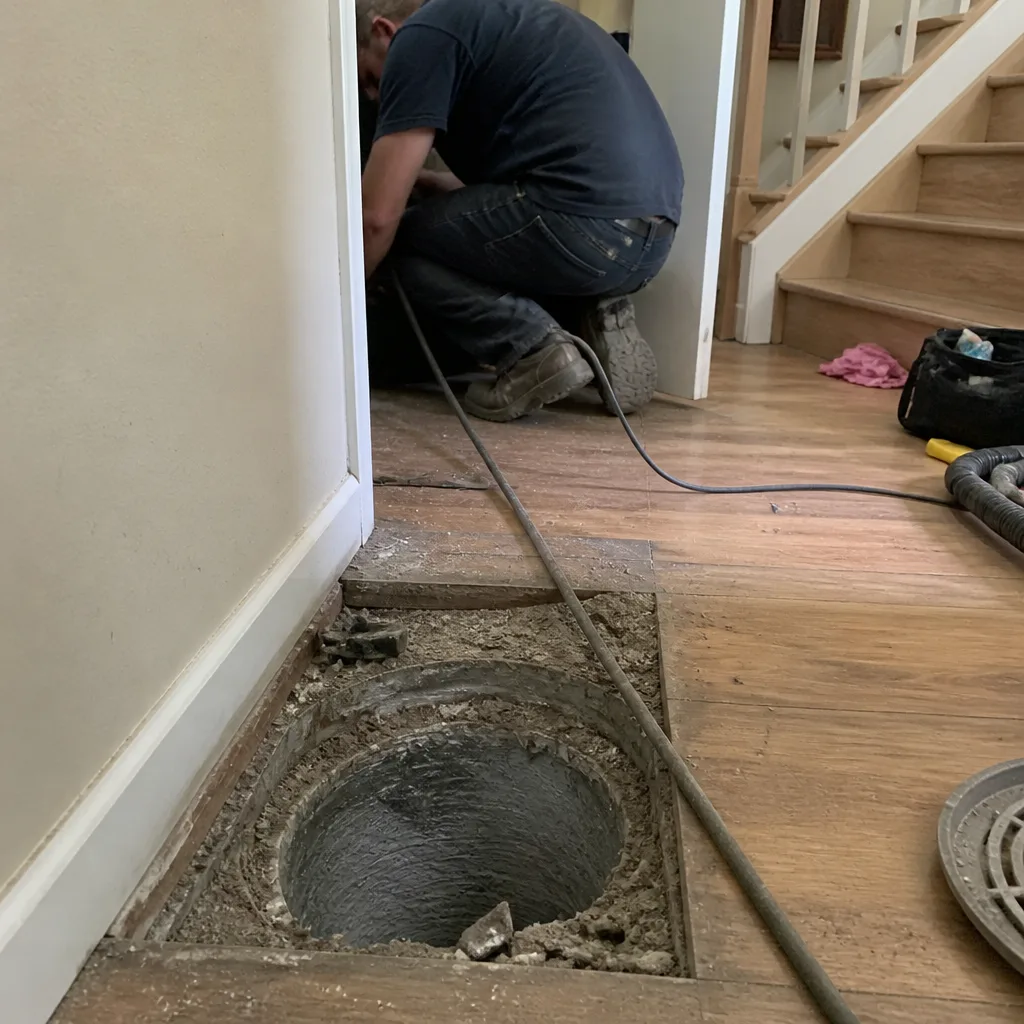 Before
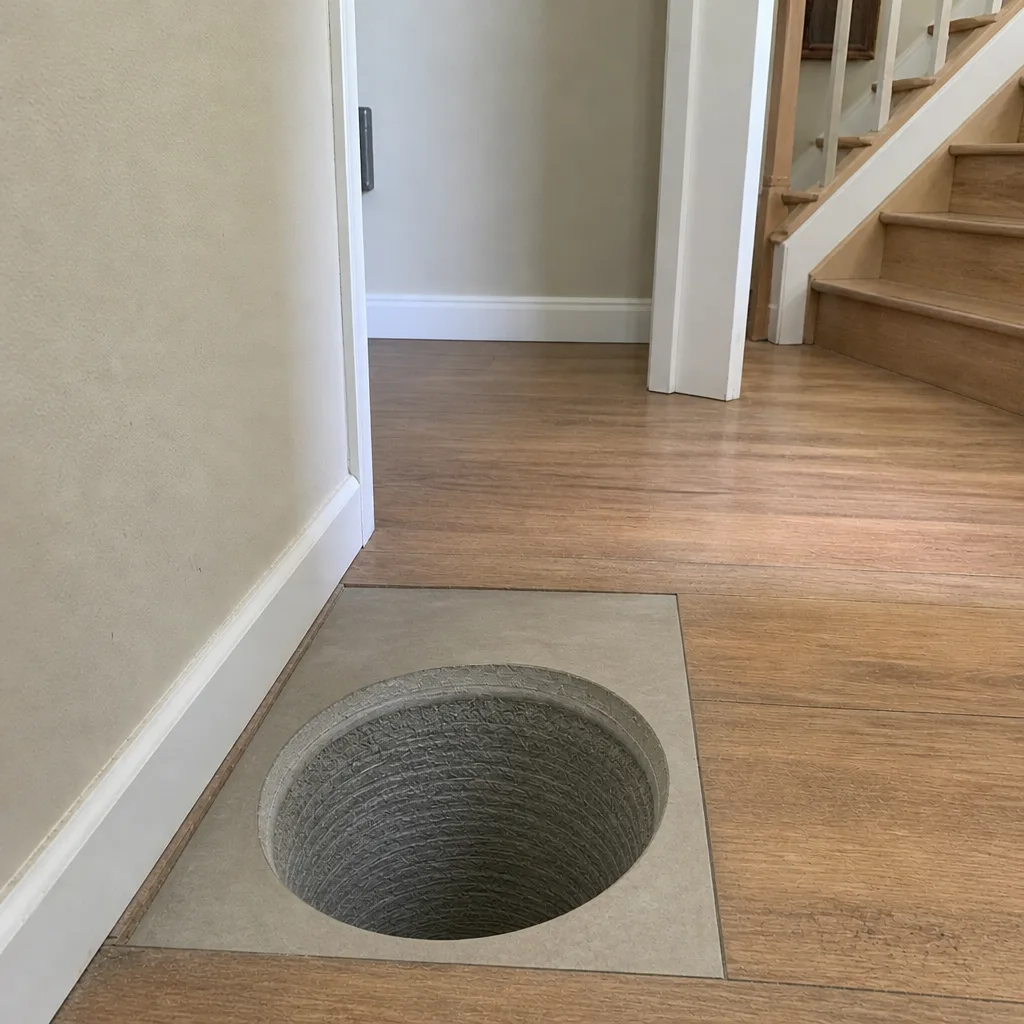 After
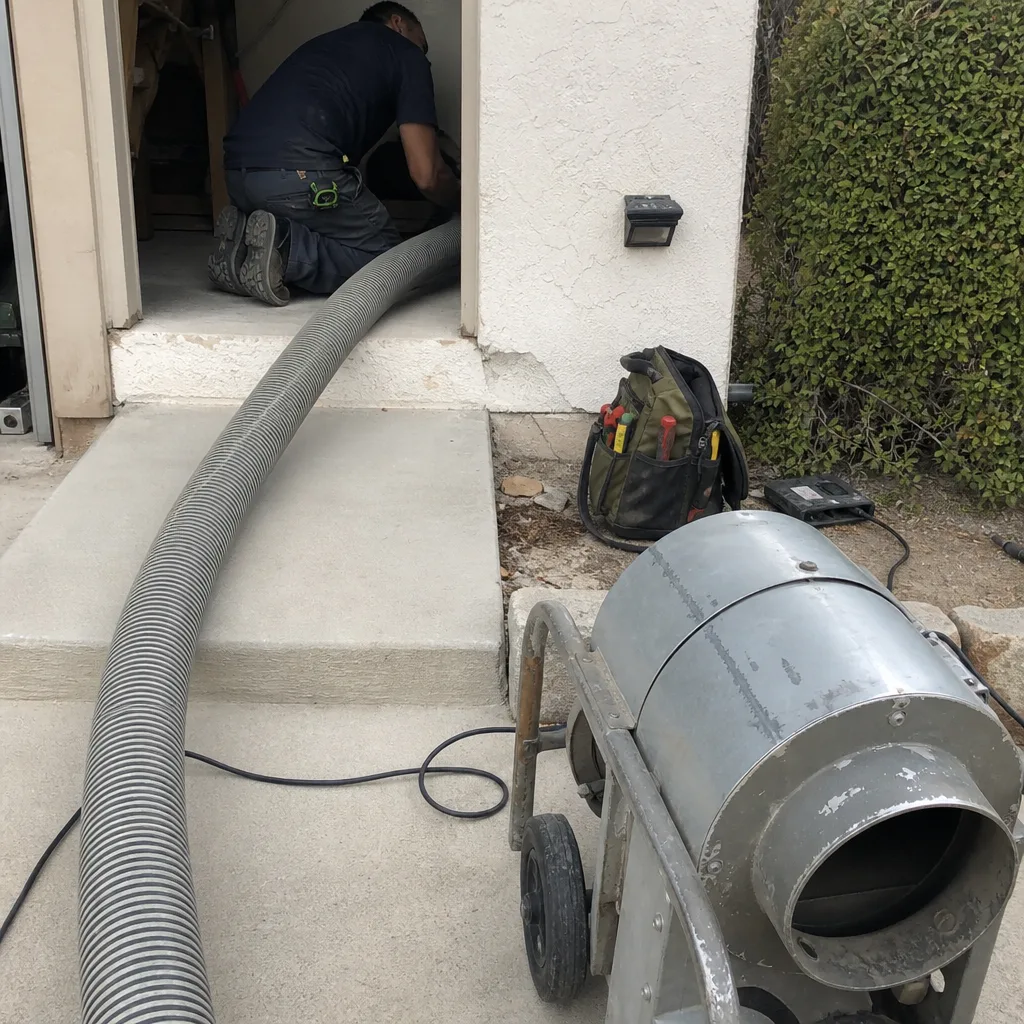 Before
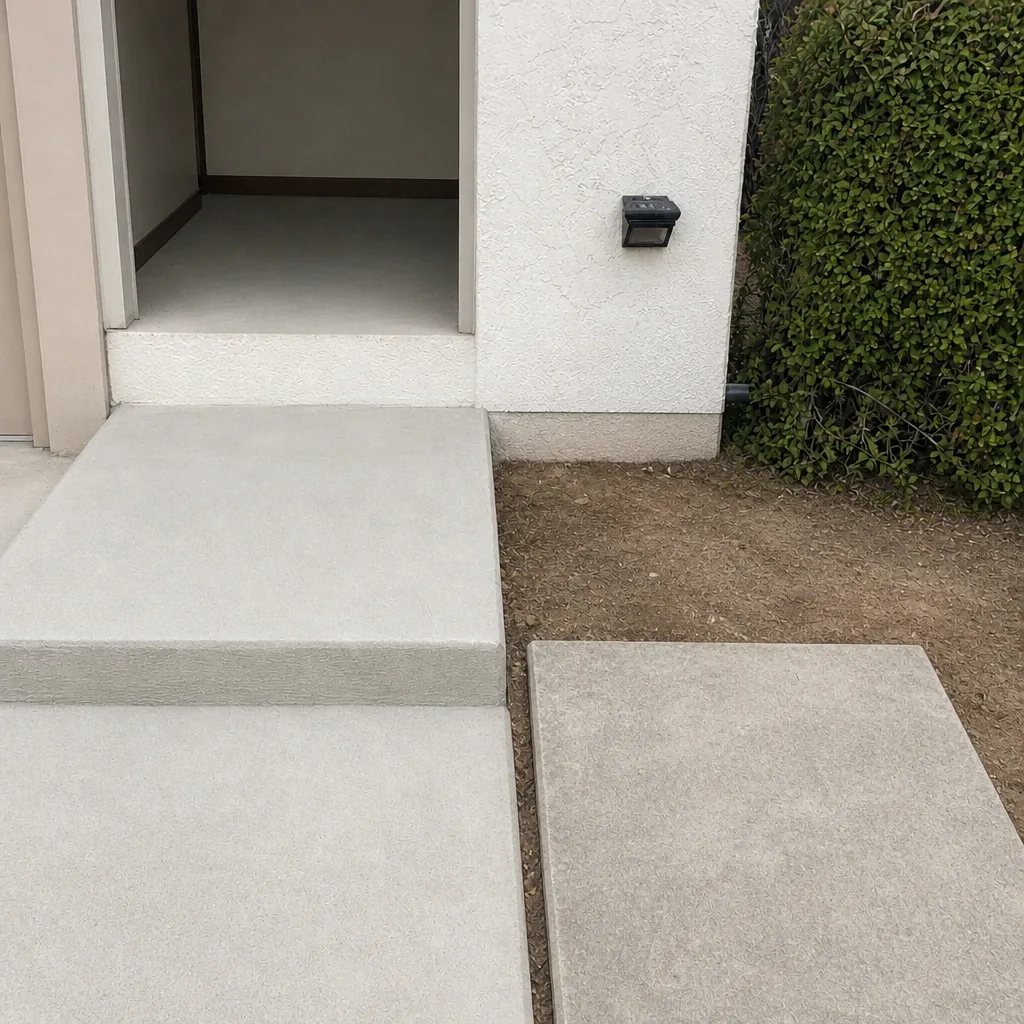 After
 Before
 After
When to Call a Professional
Call when you find active mold odor in the ducts, a below-4-degree or above-6-degree spread between rooms after a branch check, drywall dust from a renovation within the last year, a crushed or detached duct run spotted in the flashlight test, a dryer taking more than 1.5x its normal time, or filters loading monthly instead of quarterly. Any single symptom alone warrants an assessment. Two or more together means the system has a compound problem and should be looked at soon. Each of those scenarios is one our team handles. Thornton Air Duct Cleaning Pros offers free estimates in Thornton, and the local pro performing the work is licensed and insured as the state requires. Call (888) 845-7534. We answer 24/7. Fast dispatch from 7am to 7pm, Sunday through Friday.
Frequently Asked Questions
Air duct cleaning in Thornton typically falls in a range that depends on system size, register count, and whether repair or sanitizing is needed, and we give one flat price per system agreed before any work starts. There’s no per-register pricing and no coupon price that grows once the technician is on site. Call (888) 845-7534 for an exact quote. Estimates are free.
Cheaper quotes almost always mean a quick pass at the visible register openings with consumer-grade equipment, not a full-system clean of the duct walls, boots, and air handler cabinet. The gap between the cheap quote and a professional system is the gap between a surface pass and cleaning where the debris actually lives. Call (888) 845-7534 for an honest estimate based on your actual system. Estimates are free.
Ask for before-and-after photos of your own ducts, taken at the same interior locations. A professional assessment should produce a documented condition report with those photos as part of the job, and you should have that record when the crew leaves. That’s a standard part of how we work. Call (888) 845-7534 for a free estimate with the documentation included.
Most Thornton homes need a full-system cleaning every several years under normal use, but renovations, mold findings, or fast filter loading reset that clock. A system that reloads within 6-12 months of a cleaning has a leak to address, not a cleaning schedule problem. Call (888) 845-7534 and we’ll help you figure out what your system actually needs. Estimates are free.
Yes. We work with and around Honeywell and Aprilaire whole-home air quality systems as part of the duct assessment, cleaning around the components without disturbing the warranty or settings. Our familiarity with those systems means the ducts get treated as part of a system, not in isolation. Call (888) 845-7534 for a free estimate on a home with a whole-home IAQ setup.
Cleaning removes accumulated dry debris, dust, and loose particulate from the duct surfaces. Sanitizing treats the interior surfaces for microbial growth and odor after cleaning, and it’s what your assessment should include when a musty smell is present. Both are on the same visit with us. Call (888) 845-7534 for a free estimate that includes the assessment of which your system needs.
The Bottom Line
Duct contamination shows up in physical signals: dust rings at the registers, musty odor on the first heat call, uneven room temperatures of 4-6 degrees or more, and filters loading faster than before. Each signal traces to a different duct-system cause, and each cause calls for a different response, from cleaning to sanitizing to repair and sealing. The mistakes to avoid are treating a duct problem as an HVAC problem, cleaning a failing liner instead of fixing it, and picking on price per vent. If you’re seeing one or more of these signs in your Thornton home, call (888) 845-7534 for a free estimate. We answer 24/7. Fast dispatch from 7am to 7pm, Sunday through Friday.
For the full scope of what we do, start with Thornton Air Duct Cleaning Pros and we’ll point you to the right service for what you’ve found.
Written by the team at Thornton Air Duct Cleaning Pros.