
Last updated November 23, 2026
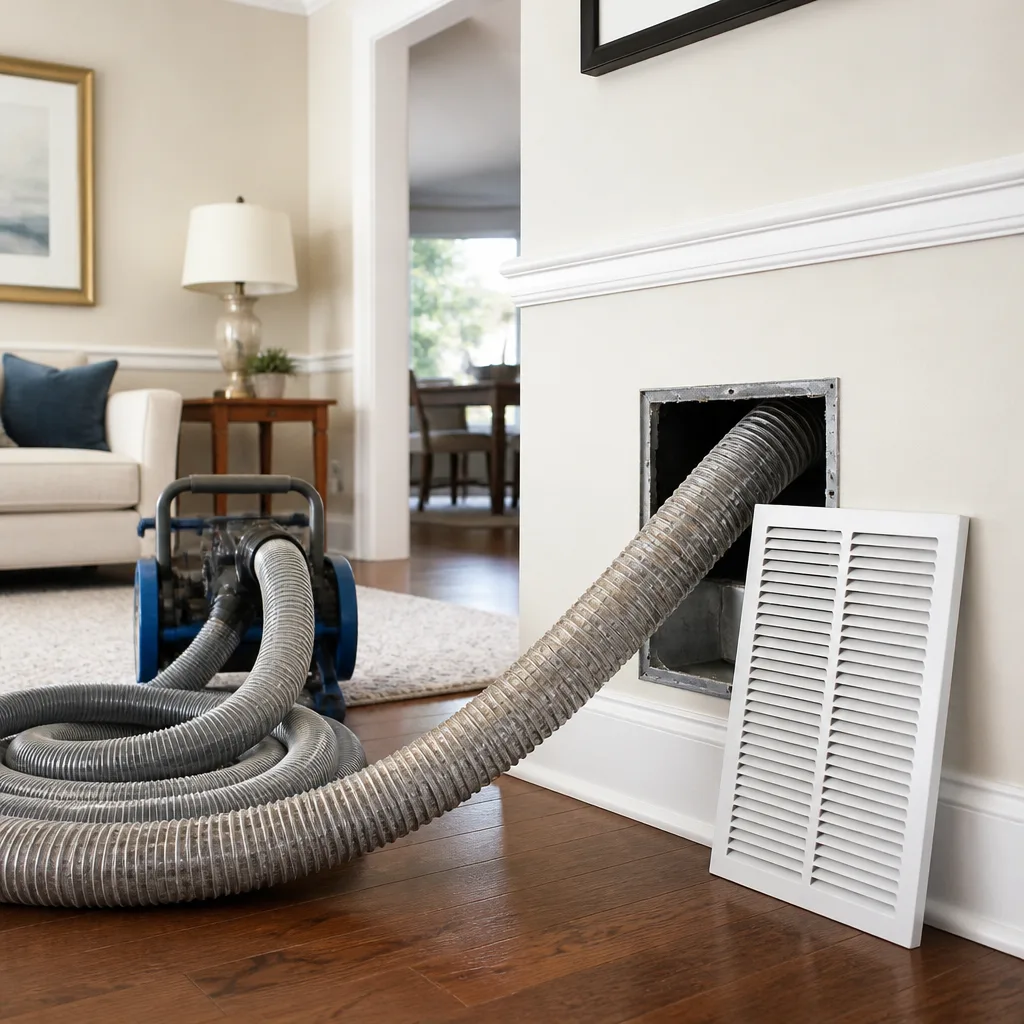 Whole-home duct cleaning
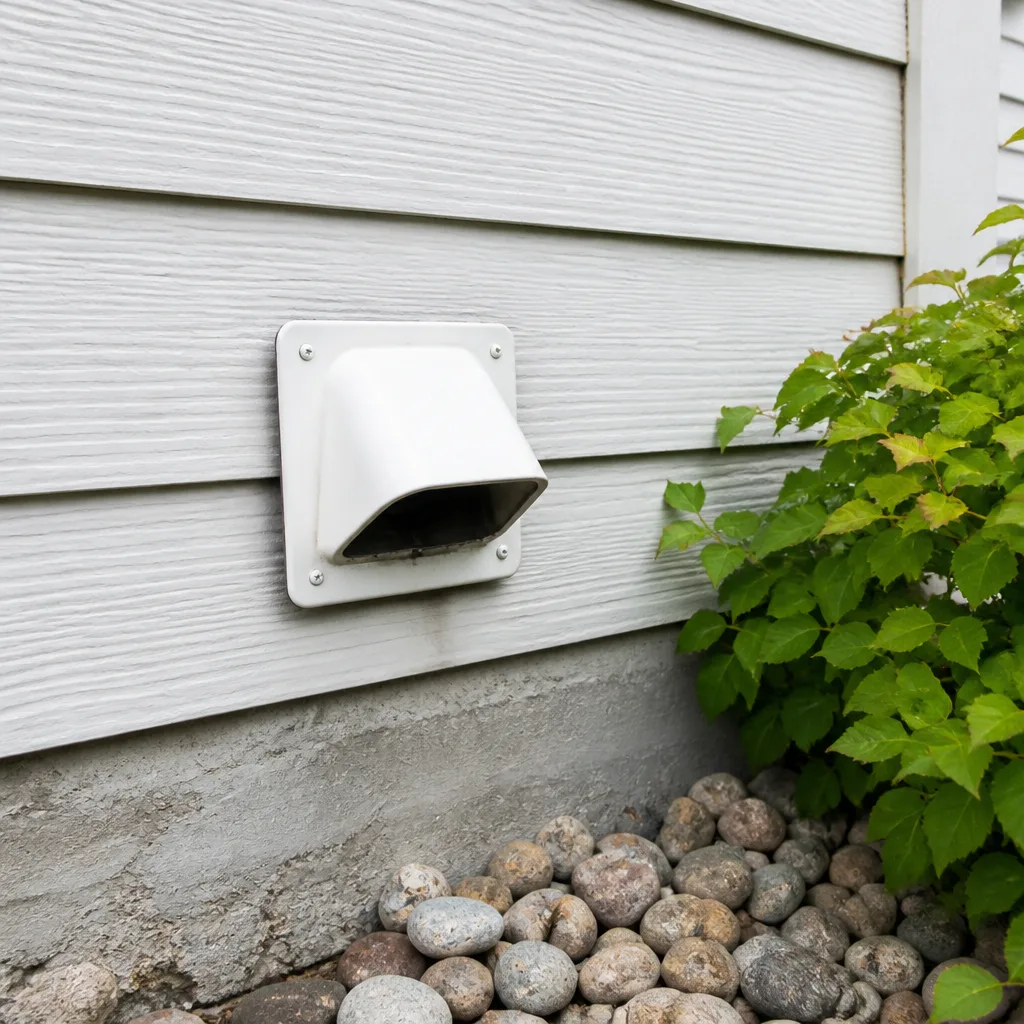 Dryer vent cleaning
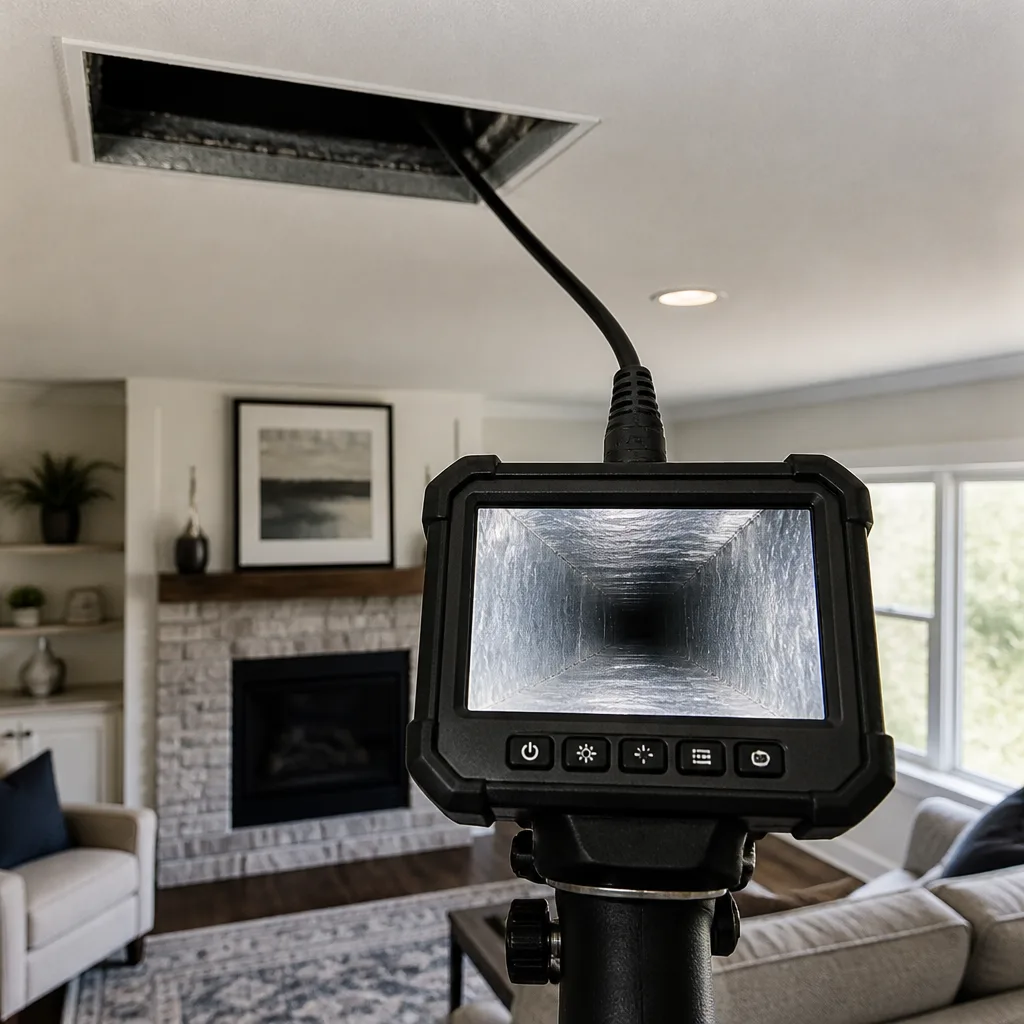 Camera inspection
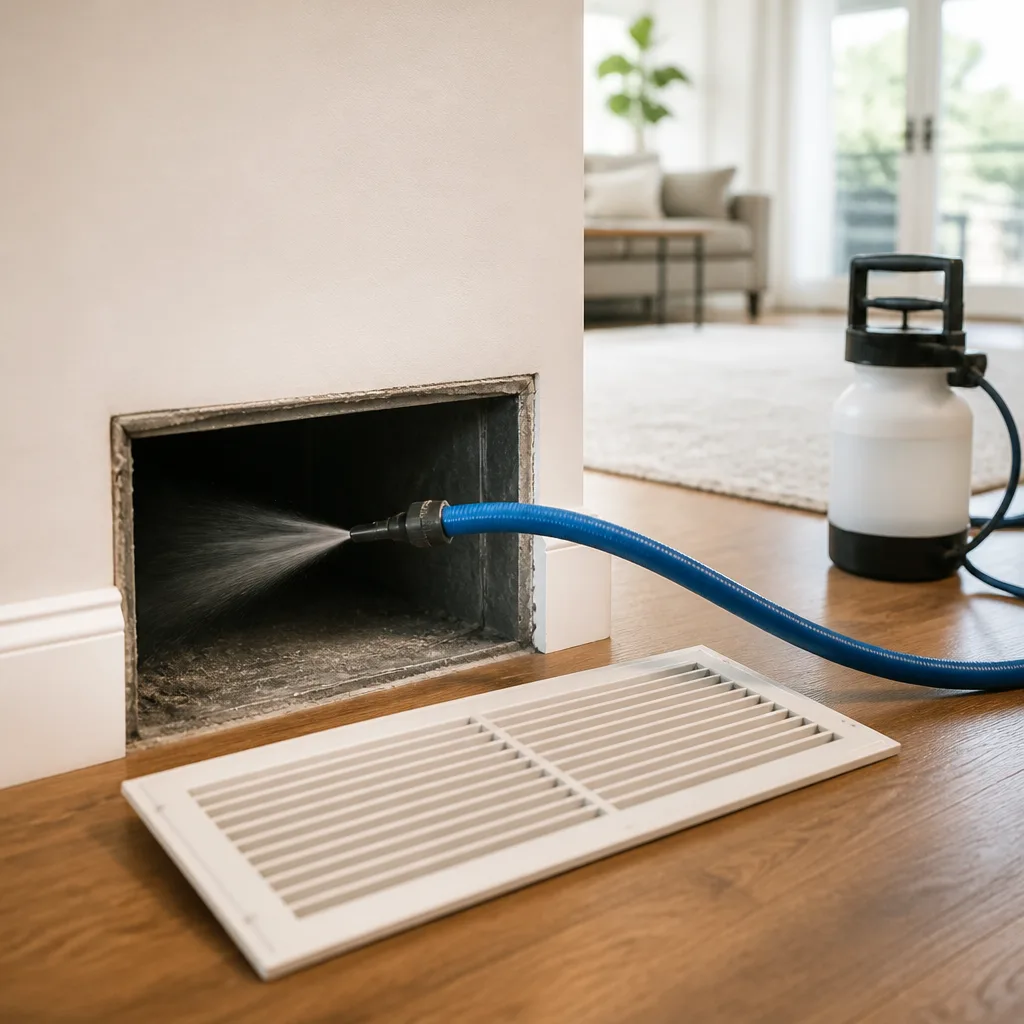 Sanitizing & deodorizing
Whole-system duct and dryer vent check with before-and-after photos - you see exactly what came out of your vents
That "$99 whole-house special" is a bait ad - the real number appears once they are in your hallway, or the "clean" is a shop-vac at the register. We photograph the inside of your ducts before and after instead.
DIY vs Professional Air Duct Cleaning: The Thornton Homeowner’s Decision Guide
Here’s the part of this conversation almost nobody gets right: the gap between a homeowner with a shop vac and a professional duct cleaning isn’t skill. It’s physics. A shop vac pressed against a register opening pulls maybe 1 to 2 inches of water column of negative pressure. True source removal in a duct system needs 1 to 4 inches of water column sustained across the entire system at once, and no consumer tool on the market reaches that. This guide walks through why that threshold matters, what a partial DIY attempt actually does to the debris sitting in your ducts, and the small set of jobs where doing it yourself genuinely helps. If you live in Thornton and you’ve been staring at a vent wondering whether to rent a machine or call someone, this is for you.
Quick Answer
Professional air duct cleaning is the right call for whole-system source removal, because the negative pressure required to pull debris out of every branch line at once is beyond what any consumer vacuum can generate. DIY work is worth doing on the accessible, low-risk pieces: register grilles, filter upgrades, lint traps, and visual inspections. Anything past the register face belongs to contractor-grade equipment.
Styles & brands we work with
- Whole-home duct cleaning
- Dryer vent cleaning
- Camera inspection
- Sanitizing & deodorizing
Table of Contents
- Why Negative Pressure Is the Whole Ballgame
- The Physics of Duct Volume and Why Your Vacuum Loses
- What Happens When You Dislodge Debris Without Enough Suction
- The Equipment Hierarchy: Consumer Tools vs. Contractor-Grade Systems
- The DIY Tasks That Actually Add Value
- The Honest Cost-Benefit Comparison
- How to Choose a Professional in Thornton
- Common Mistakes to Avoid
- When to Call a Professional
- Frequently Asked Questions
- The Bottom Line
Why Negative Pressure Is the Whole Ballgame
Source removal means the debris leaves your duct system and goes into a collection container, not into your living room. Every legitimate duct cleaning method comes down to creating enough negative pressure inside the ductwork to overcome the weight and adhesion of what’s clinging to the walls, then holding that pressure while a mechanical tool breaks the debris loose. The pressure and the agitation work as a pair. One without the other produces movement, not removal.
Think about the difference between sweeping a floor and vacuuming it. A broom moves dust into the air. A vacuum captures it. Duct cleaning works the same way, except the “floor” is a network of sheet metal and flex runs with elbows, transitions, and branch takeoffs where debris piles up. A rotary brush loosens material from the duct wall while a negative air machine holds the whole system under vacuum, so the loosened material travels toward the collection point instead of drifting into the nearest room.
The numbers matter here. Consumer vacuums, even good ones, generate a fraction of the pressure needed to pull air through a long branch run with several bends in it. Pressure drops with distance and with every fitting. By the time you’re at the far end of a trunk line feeding bedrooms across a two-story Thornton house, the suction at a shop vac hose has collapsed to almost nothing.
That’s the structural problem. It’s not about the brand of vacuum or a clever attachment. A consumer tool simply can’t hold the whole system under enough vacuum to move material everywhere at once. Professional negative air machines, including the Abatement Technologies units we run, are built specifically to sustain that pressure across a full residential system while the collection side stays HEPA-filtered.
The Physics of Duct Volume and Why Your Vacuum Loses
A typical Thornton home has somewhere between a few hundred and well over a thousand cubic feet of duct volume, depending on the layout, the number of branch runs, and how much flex duct was used at install. That’s a lot of airspace to put under vacuum, and the farther you get from the vacuum source, the more that vacuum leaks away through every joint and takeoff.
Here’s what’s working against a consumer setup:
- Distance. Pressure drops with every foot of duct and every fitting. A shop vac connected at one register has no influence on a run twenty feet away with two elbows in between.
- Leakage. Residential ductwork is rarely airtight. Air rushes in through every unsealed joint, and once it does, your vacuum is pulling from the attic instead of the duct.
- Volume. A single-room vacuum can put real pressure on a small sealed container. A whole-house duct system is not a small sealed container.
- Tool reach. Even with perfect suction, you still need mechanical agitation on the duct walls. A brush on a flexible rod pushed through a register reaches maybe the first few feet of one branch.
Put those four together and you get the reason professionals bring a machine that pressurizes the entire system at once: a high-CFM negative air machine connected at the main trunk or through a custom access panel, paired with a rotary brush system that travels the full length of each run. That’s how Rotobrush and Nikro systems are designed to work, and it’s why the equipment list for a real job looks nothing like the rental aisle at a hardware store.
There’s also a maintenance angle. In Thornton, the heating season runs long and the cooling season brings its own dust load. Duct systems here cycle a lot of air through the same runs month after month, and debris accumulates in the low spots and on the rough interior surfaces of flex duct. Reaching those deposits requires the full pressure-and-agitation combination, not a spot treatment at one register.
What Happens When You Dislodge Debris Without Enough Suction
This is the part homeowners don’t hear enough. Loosening debris without capturing it doesn’t improve your indoor air quality. It can make it temporarily worse.
When a homeowner pushes a brush or a vacuum wand into a duct and agitates the accumulated dust, the fine particulate goes airborne. Without a negative pressure field holding the whole system under vacuum, that particulate has no reason to go toward a collection point. It finds the path of least resistance, which is often the supply registers in the rooms you’re trying to protect. Some of it settles back into the duct. Some of it circulates.
The mechanics:
- You open a register and insert a tool. The system’s pressure balance changes slightly.
- The tool breaks debris loose from the duct wall. Fine particulate becomes airborne.
- Without sustained whole-system vacuum and HEPA filtration on the collection side, the particulate stays in the airstream.
- Your HVAC system cycles on and distributes it through the house.
- Hours later, much of it settles on surfaces and back into the ducts. The net result is often a dusty house and a duct system that’s still dirty, just rearranged.
That last point matters. A partial DIY clean can redistribute debris from a concentrated pile into a thin layer across more of the system, which is harder to remove later. The physics don’t reward effort without capture. If you’re going to agitate, you have to be able to collect.
Containment is the other piece. A proper job keeps the work area protected and the collection HEPA-filtered so nothing escapes into the home. That’s the standard Abatement Technologies equipment is built to deliver, and it’s a standard you won’t find in a homeowner’s garage setup.
The Equipment Hierarchy: Consumer Tools vs. Contractor-Grade Systems
It helps to see the tiers side by side, because “duct cleaning equipment” gets used to describe everything from a shop vac to a truck-mounted negative air machine, and those tools aren’t in the same category.
Consumer tier
- Shop vacs and wet/dry vacuums: 1 to 2 inches of water column at the hose, dropping fast with distance. No HEPA filtration on most models unless specified. No mechanical agitation for duct interiors.
- Consumer duct brushes on flexible rods: reach a few feet into one branch. Useful for dislodging, useless without whole-system vacuum.
- Handheld cameras: actually quite good now, and genuinely useful for a visual check. See the DIY section below.
Professional tier
- High-CFM negative air machines, including truck-mounts and portable units: sustain 1 to 4 inches of water column across the whole system. This is the threshold that makes source removal possible.
- Rotary brush systems, like Rotobrush, that travel the full length of a run and agitate the duct walls while the system is under vacuum.
- HEPA-filtered collection: the debris goes into a sealed container and stays there. Nikro equipment is built around this capture step.
- Containment equipment, including Abatement Technologies units: negative air capability that keeps the work zone separated from the rest of the home, a standard borrowed from remediation work.
The gear matters because it’s the difference between moving debris and removing it. It also matters because a full-system job often uncovers problems that a partial clean never would: disconnected flex runs, crushed sections behind a knee wall, loose joints pulling attic air, or a return that’s undersized for the space. When we find those mid-job, the fix happens in the same visit. That’s part of running a full-system approach rather than a single-service clean. Repair, sealing, and sanitizing sit alongside the cleaning because they’re usually the next step in the same project.
We also work with and around Honeywell and Aprilaire air quality systems, which means the cleaning is planned around the whole-home IAQ equipment rather than treating the ducts as if nothing else is in the system. If you have a media filter cabinet, a UV component, or a humidifier tied into the ductwork, those components need to be handled correctly during cleaning so nothing gets damaged and no warranty gets voided.
The DIY Tasks That Actually Add Value
We’re not going to tell you to keep your hands off everything. Some of the highest-value air quality work in a Thornton home requires no special equipment at all, and doing it yourself is the right call.
1. Clean the register grilles
Pull the supply and return grilles and wash them in the sink. They collect dust fast and can be cleaned completely with a sponge and warm water. Grille cleaning doesn’t touch duct interiors, but it removes a surprising amount of surface debris and takes fifteen minutes per grille.
2. Upgrade your return filter
This is the single highest-leverage thing most homeowners can do. Check the MERV rating on what’s currently installed, make sure the filter is the right size for the cabinet, and change it on a schedule that matches how fast it loads up. A filter that’s the wrong size or installed backward does less than nothing. If you have a Honeywell or Aprilaire filter cabinet, use the filter it was designed for and confirm the airflow direction arrow before it goes in.
3. Clear the dryer vent lint trap and the exhaust path
Empty the lint trap after every load, and periodically check the exterior vent flap for lint buildup and proper closure. This is one of the more consequential safety tasks in any home, and it’s why we treat dryer vent cleaning as a named service rather than an add-on. The lint trap is a DIY job. Cleaning the full vent run requires a brush and vacuum setup that most homeowners don’t own.
4. Do a visual camera check
A cheap USB or wifi borescope can tell you a lot. Pop a register, guide the camera into the first few feet of the run, and look. You’ll see whether there’s visible buildup, whether the flex duct is kinked, whether a joint is loose. A camera check tells you whether you have a problem worth calling about.
5. Keep the return path unobstructed
Make sure furniture, rugs, and storage boxes aren’t blocking return grilles. In tight Thornton homes, returns get covered up without anyone noticing, and the system runs harder as a result.
Those five tasks genuinely contribute to cleaner air. None of them require a vacuum capable of whole-system negative pressure.
The Honest Cost-Benefit Comparison
A professional duct cleaning is an estimate-based job with a price agreed in writing before work starts. A DIY attempt costs whatever you spend on a rental or a shop vac plus a Saturday of your time. Set against that, here’s the realistic picture:
- Professional: whole-system source removal, containment and HEPA capture, repair and sealing available in the same visit, before-and-after photos of your ducts so you can see what was removed.
- DIY: surface grille cleaning, filter upgrades, lint trap clearing, and a camera check. All worth doing. None of it removes debris from the duct interiors.
- DIY with rental equipment: you get one branch at a time, some debris movement, no containment, no HEPA collection, and a reasonable chance of redistributing what’s already there.
The comparison isn’t about effort. Homeowners work harder on this than anyone. It’s about the tool capability required to complete the job. In almost every Thornton home, the result of a full DIY attempt is a cleaner register and the same duct system.
Air duct cleaning pricing varies by the size of the home, the number of runs, the condition of the system, and whether repair or sealing is needed. The air duct cleaning estimate covers the cleaning itself; if we find a disconnected run or a crushed flex section during the job, we’ll show you and price the fix before doing it. That’s the one-flat-price-per-system idea and the before-and-after photos and the written estimate all working together.
How to Choose a Professional in Thornton
The duct cleaning industry has a reputation problem, and it’s earned. The bait-and-switch pattern is real: a low teaser number on the phone that becomes a much bigger invoice once the technician is on site. You can protect yourself with a short set of questions before booking anything.
- Ask what equipment they’ll use. A professional should be able to name the negative air machine and the rotary brush system, and should describe HEPA filtration on the collection side. If the answer is vague, that’s a signal.
- Ask about containment. A proper job protects the work area and keeps dust out of the home. Negative air and HEPA capture are part of the scope, not an upgrade.
- Ask for a written estimate tied to your system, not a phone number. The price should be set per job, based on what’s actually in your home, before work starts. There should be no per-vent pricing and no surprise line items later.
- Ask about before-and-after photos. You should be able to see what came out of your ducts.
- Ask whether they handle repair and sealing in the same visit. Half the time a cleaning uncovers a disconnected duct or a crushed run. If a company only cleans, you’ll be hiring a second contractor to fix what the first one found.
- Confirm the local pro is licensed and insured as their state requires. We connect you with independent local professionals who perform the work, and that’s the baseline you should verify with anyone you invite into your home.
For HVAC-specific work, filter cabinets, evaporator coils, and blower assemblies need a different scope than the ductwork itself. That’s why HVAC cleaning sits alongside duct cleaning in our service list rather than being folded into it. The two jobs share a system but not the same tools or procedure.
Common Mistakes to Avoid
- Thinking a shop vac is a duct cleaning machine. The pressure math doesn’t work in your favor, no matter which vacuum you buy. Use it on grilles and the floor, not the duct interiors.
- Agitating debris without capture. Pushing a brush or wand into a duct without whole-system negative pressure can send particulate into the house instead of out of it. If you can’t collect it, don’t disturb it.
- Assuming a cheap quote will be the final number. The industry’s low-teaser-then-higher-invoice pattern is exactly why we work from a written estimate at one flat price per system. A quote that seems low relative to everything else deserves scrutiny, not enthusiasm.
- Ignoring the dryer vent because it’s out of sight. Lint buildup in the vent run behind the dryer is one of the leading causes of residential fires. Clearing the trap is DIY; clearing the run is not.
- Installing the wrong filter or the wrong size. A filter that doesn’t fit the cabinet, or is installed with the airflow arrow reversed, restricts the system and can shorten equipment life. If you have a Honeywell or Aprilaire cabinet, use the filter it was designed for.
- Skipping a camera check before assuming you need a full cleaning. A five-minute borescope look at the first few feet of a return will tell you whether you’re looking at surface dust or real buildup. It’s the cheapest information you can get.
- Letting a cleaning turn into an open-ended project. There’s a scope to a professional job: cleaning, then repair and sealing if problems are found, then sanitizing if needed. Any work past the estimate should be priced and approved before it starts.
When to Call a Professional
Call a professional when you notice visible debris on the register faces, dust settling on surfaces faster than it used to, a musty odor that comes on when the system runs, or a persistent allergy pattern that worsens at home. Call if you’ve never had the ductwork cleaned and can’t tell when it last was. Call if a cleaning uncovers a disconnected run, crushed flex, or loose joints; those need repair and sealing, not more cleaning. Call if the dryer is taking longer to dry a load than it used to. Call if a recent renovation sent drywall dust into the system. And call if you have whole-home IAQ equipment in the loop, like a Honeywell or Aprilaire system, and want to be sure cleaning around it won’t cause damage. Thornton Air Duct Cleaning Pros offers free estimates in Thornton. Call (888) 845-7534. We answer 24/7. Fast dispatch from 7am to 7pm, Sunday through Friday.
Frequently Asked Questions
The price is set per job by a written estimate, because system size, number of runs, and condition vary widely from one home to the next. What we can tell you is that our quotes are one flat price per system agreed before work starts, with no per-vent pricing and no surprise line items once the job is underway. Call (888) 845-7534 for an exact quote. Estimates are free.
A very low quote usually reflects a narrower scope: less equipment, less time, or a per-vent price that grows as the job goes on. The industry’s bait-and-switch pattern is common enough that it’s worth asking a company exactly what equipment they’ll bring, whether containment and HEPA capture are included, and whether the quote is the final number. We work from a flat estimate per system, and we show you before-and-after photos of your own ducts. Call (888) 845-7534 for an exact quote. Estimates are free.
Before-and-after photos of your own ductwork are the simplest answer. You should be able to see what was inside the ducts before cleaning and what’s there after. Pair that with a written estimate that states the scope in advance, and you have a verifiable record of what was done. If a company can’t produce photos, ask why.
There’s no single schedule that fits every home. Homes with pets, recent renovations, carpeting, or allergy concerns in the household generally benefit from more frequent cleaning, while a well-maintained home with a good filtration setup can stretch the interval. A camera check at a return grille is a good way to decide whether it’s time, and a professional will look at the whole system rather than sell you a fixed calendar. Call (888) 845-7534 for an exact quote. Estimates are free.
You can, and it’s worth doing on the accessible pieces: register grilles, filter replacements, lint trap clearing, and visual checks with a borescope. The duct interiors past the register face are where the physics turn against a consumer tool. Without sustained whole-system negative pressure and HEPA-filtered collection, agitating debris inside a run can send particulate into your living space rather than out of it.
Clearing the lint trap after every load is a DIY task and one you should do without fail. Cleaning the full vent run, from the dryer connection to the exterior termination, requires a brush and vacuum setup most homeowners don’t own, and the vent run is one of the leading causes of residential fires. Professional dryer vent cleaning covers the whole path. Call (888) 845-7534 for an exact quote. Estimates are free.
The Bottom Line
Duct cleaning isn’t a skill contest between you and a trained technician. It’s an equipment contest, and the equipment that completes source removal requires a negative pressure threshold consumer tools can’t reach. The DIY tasks that actually improve your indoor air quality are the accessible ones: grille cleaning, smart filter choices, lint trap discipline, and camera checks. For everything past the register face, you need contractor-grade equipment and HEPA capture, and in Thornton that equipment looks like a high-CFM negative air machine paired with a rotary brush system. Our technicians have up to 11 years of experience, and we use equipment from Rotobrush, Nikro, and Abatement Technologies because that’s what the job requires. If you want the full scope handled in one visit, including cleaning, repair, sealing, and sanitizing, that’s the full-system approach at Thornton Air Duct Cleaning Pros.
Get a Free Estimate
If you’ve read through this and you’re still not sure whether your ducts need a full clean or just a camera check, that’s exactly what a free estimate is for. We’ll look at the system, show you what we find, and set one flat price per system in writing before any work starts. You’ll get before-and-after photos of your own ducts, a satisfaction guarantee, and the full scope under one roof. Call (888) 845-7534. We answer 24/7. Fast dispatch from 7am to 7pm, Sunday through Friday. Thornton Air Duct Cleaning Pros connects you with vetted independent local professionals who are licensed and insured as their state requires.
Written by the team at Thornton Air Duct Cleaning Pros.
See the difference
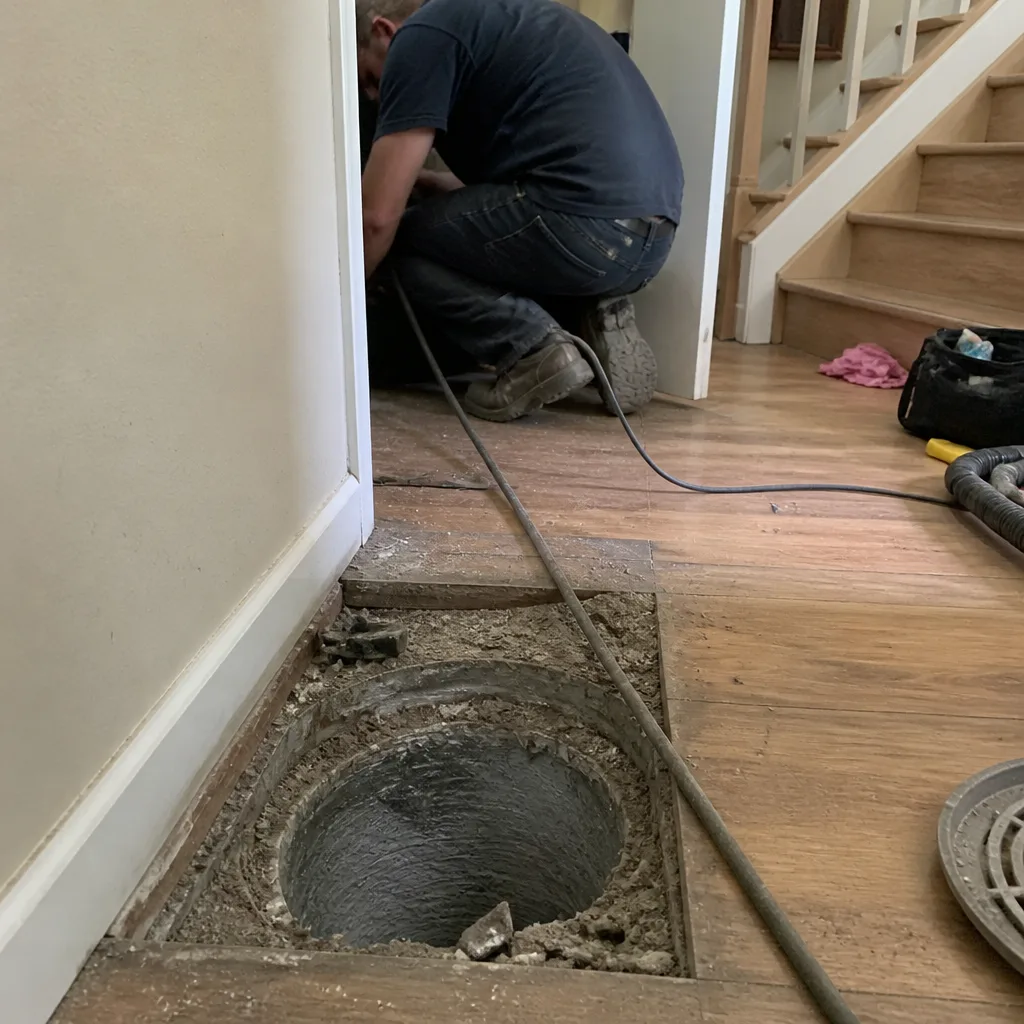 Before
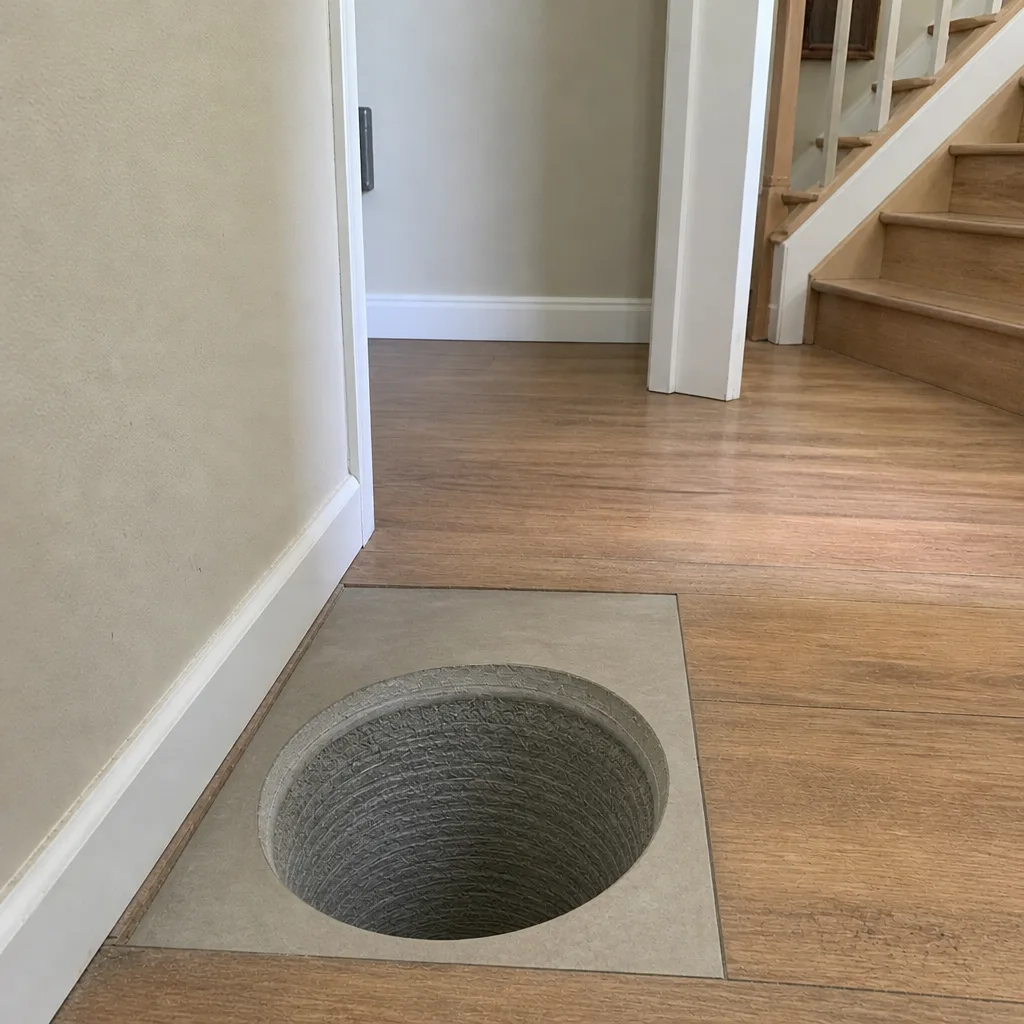 After
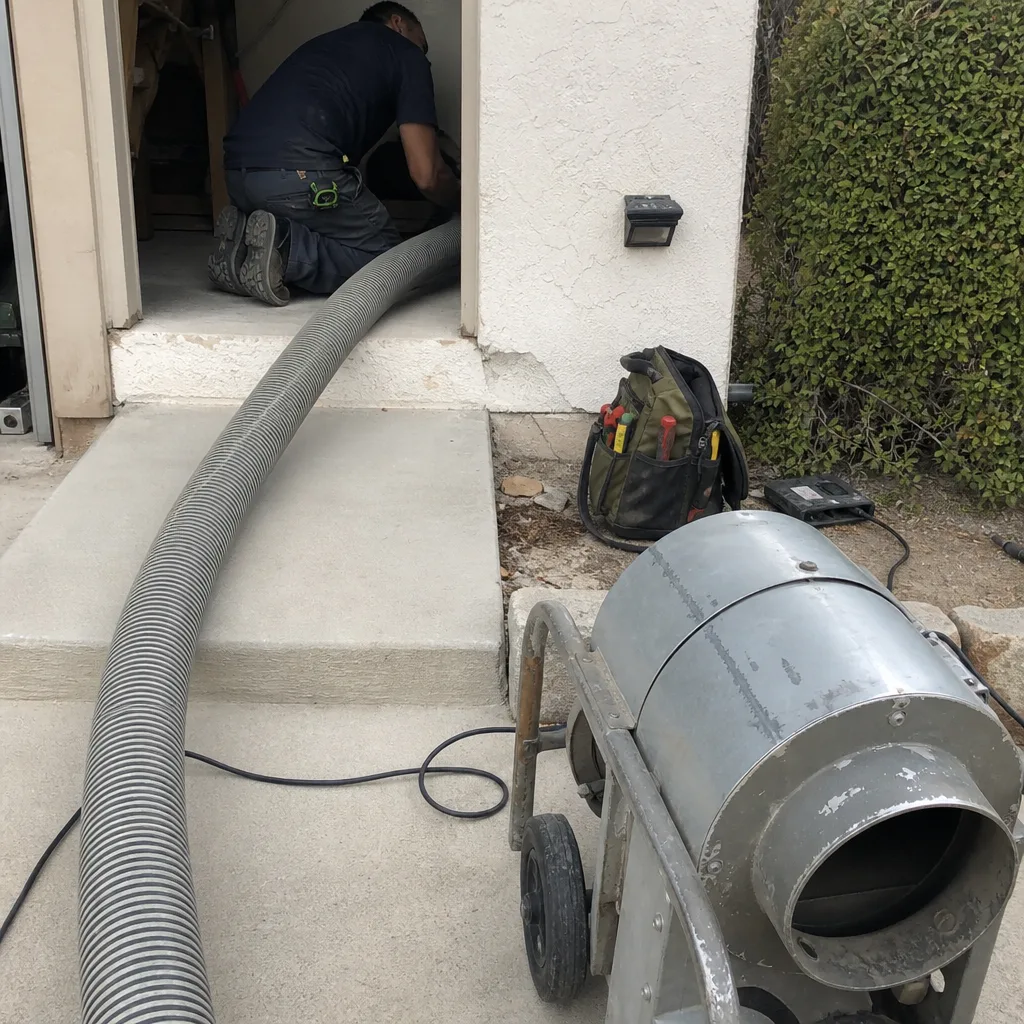 Before
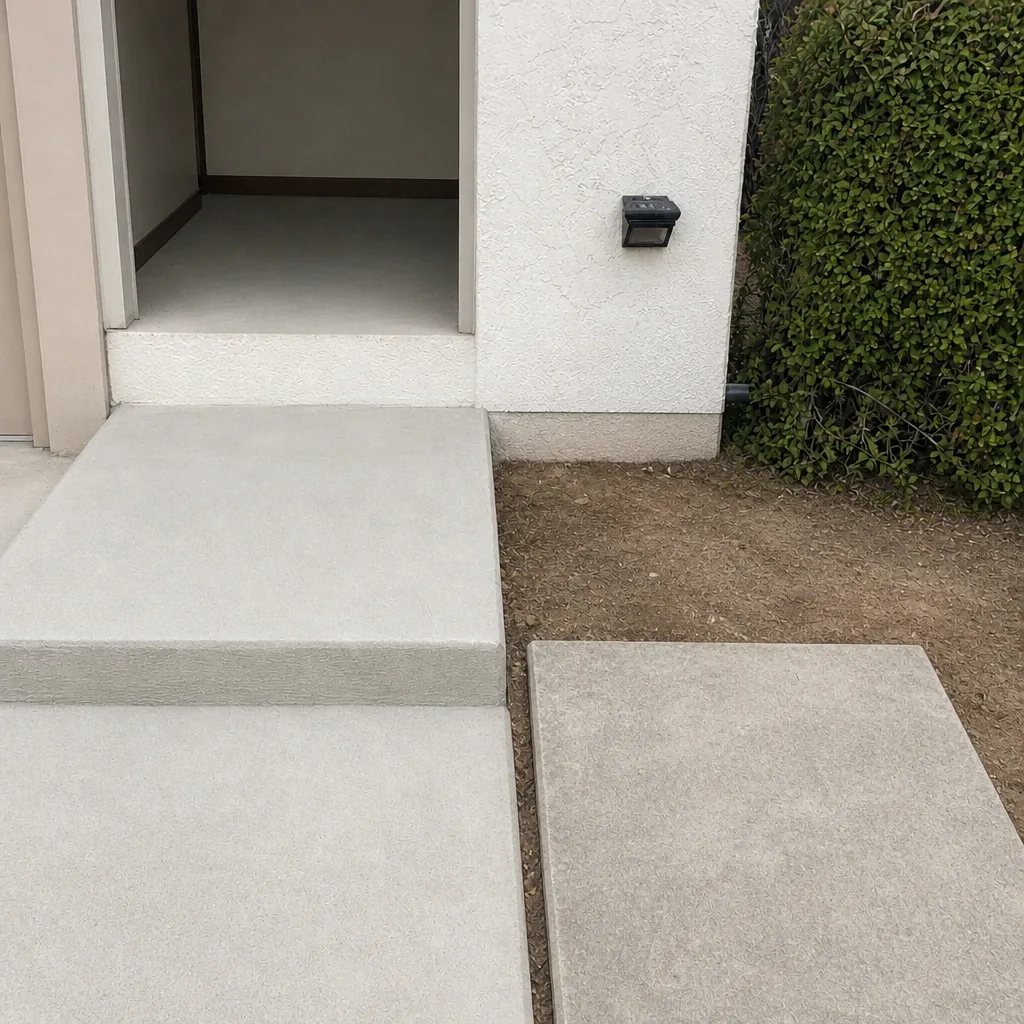 After
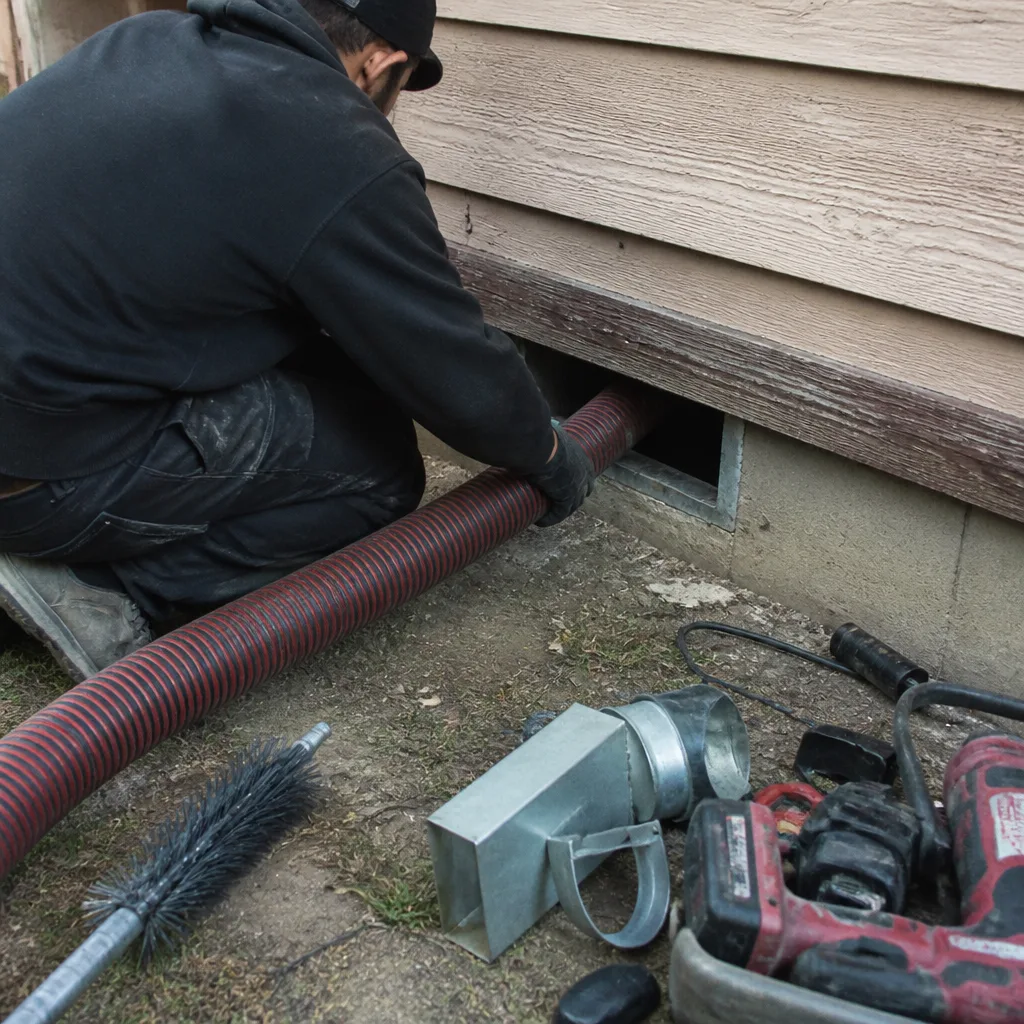 Before
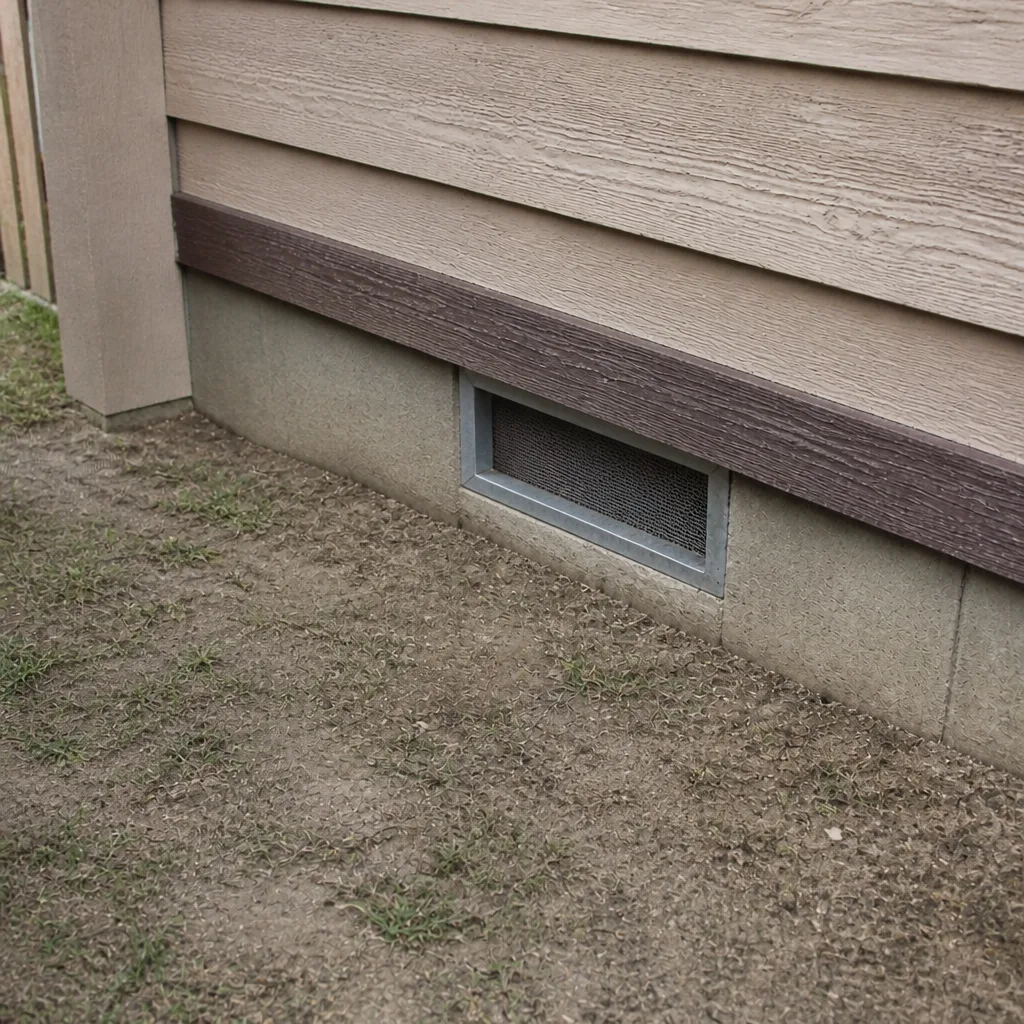 After