
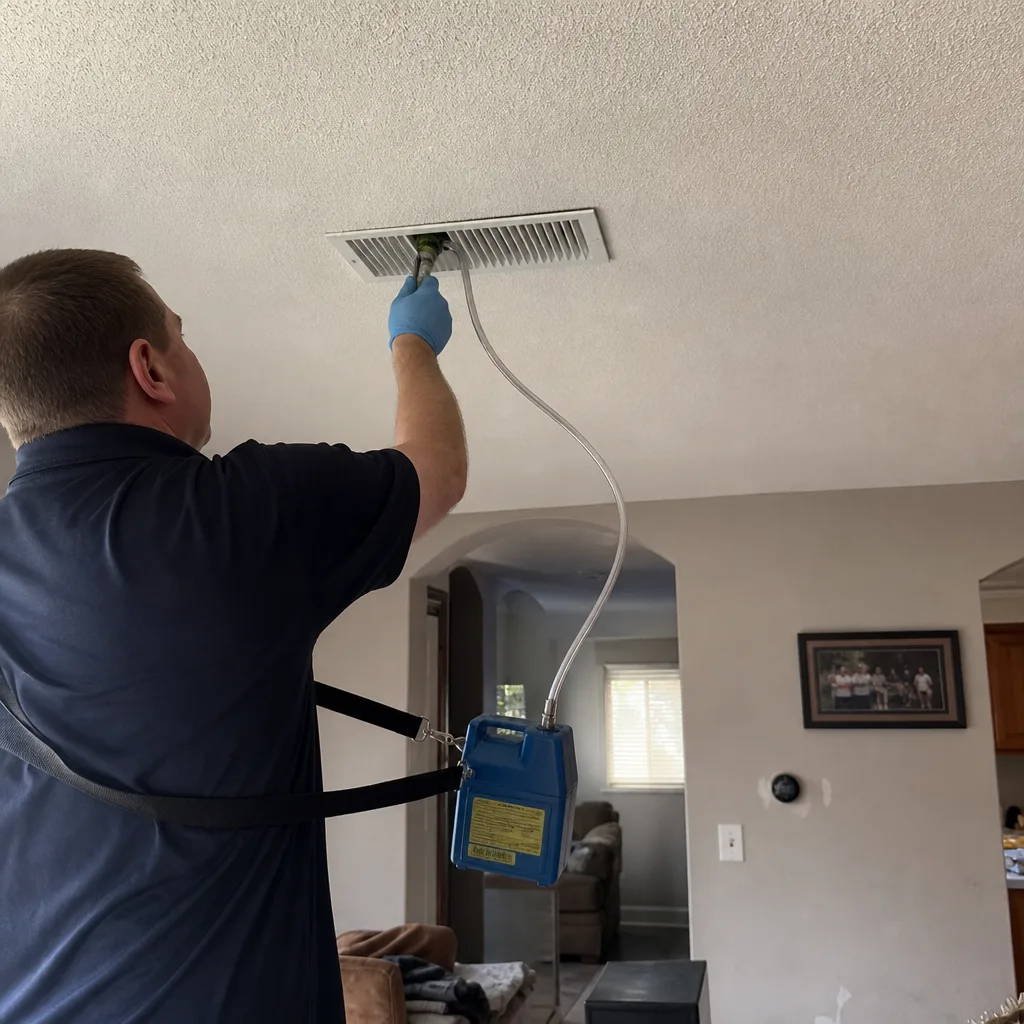
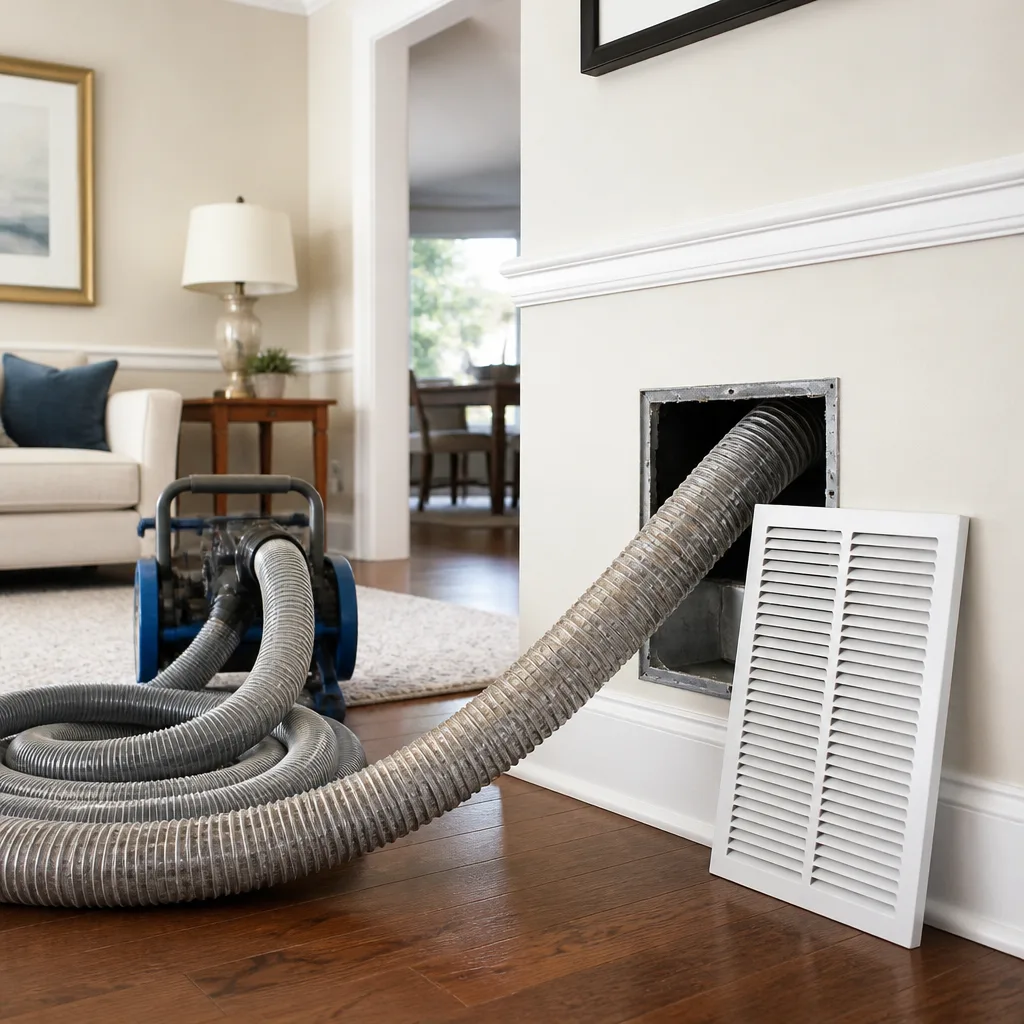
 Whole-home duct cleaning
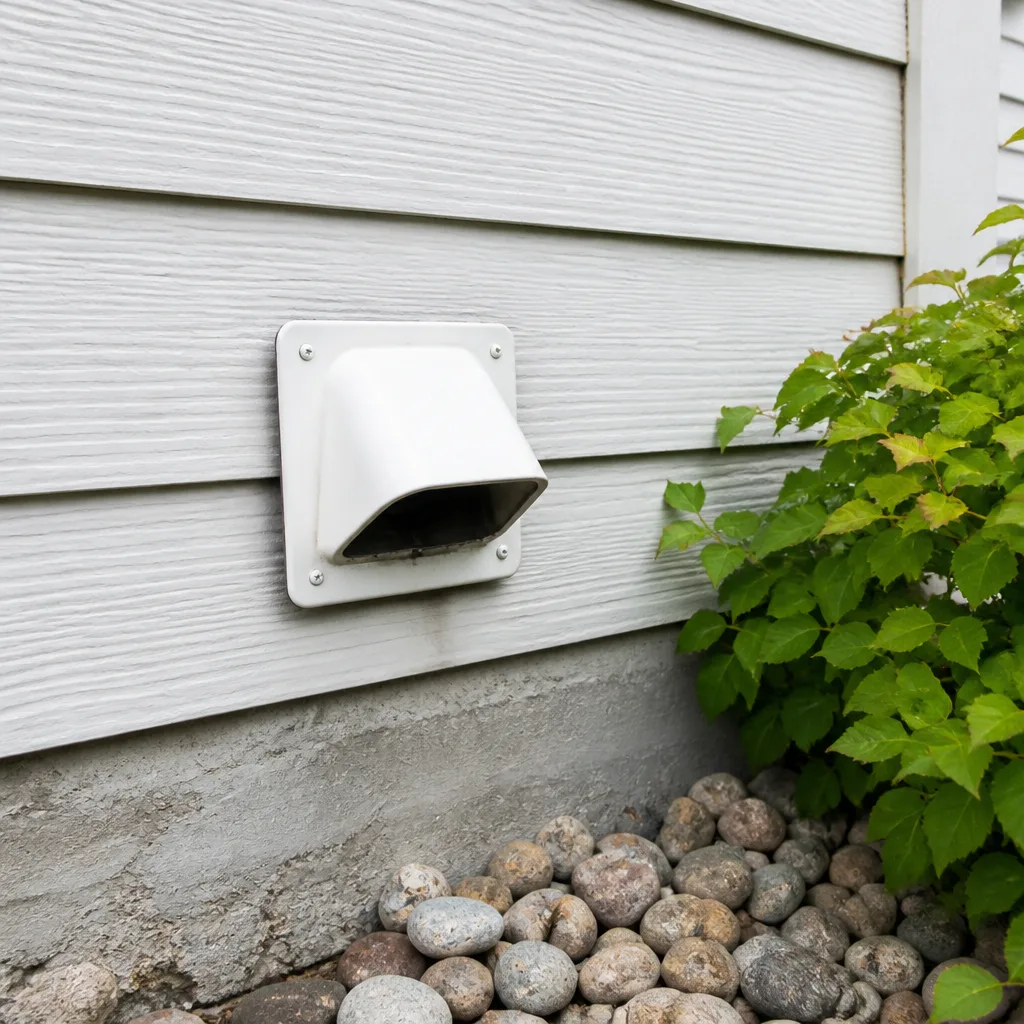 Dryer vent cleaning
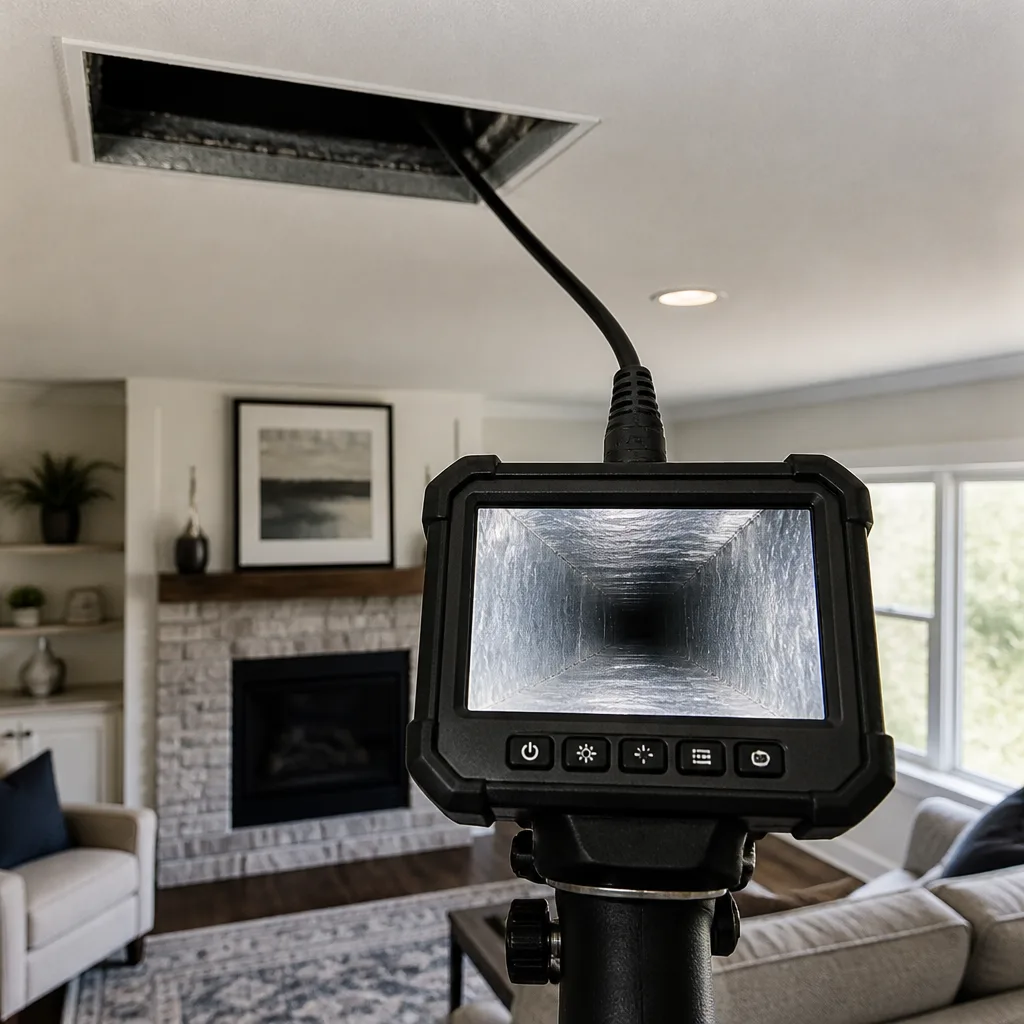 Camera inspection
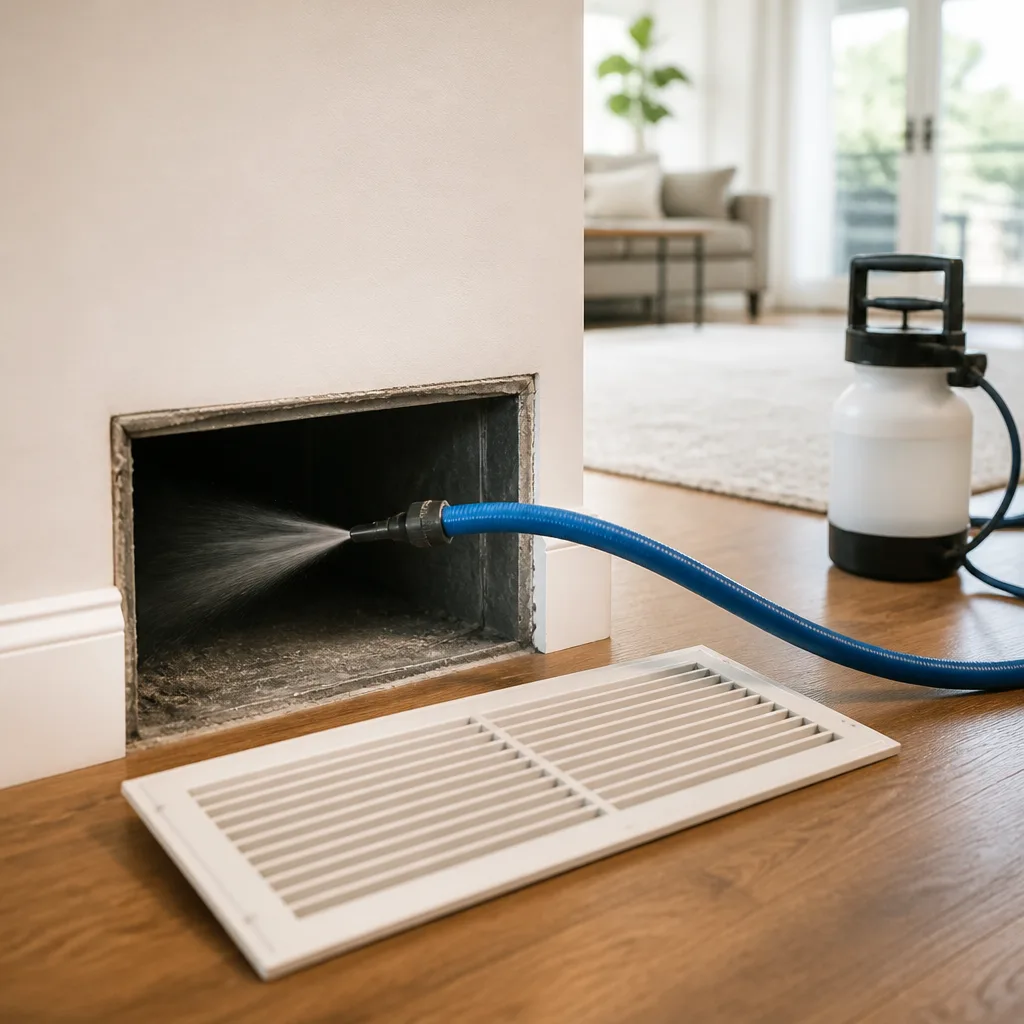 Sanitizing & deodorizing
Whole-system duct and dryer vent check with before-and-after photos - you see exactly what came out of your vents
That "$99 whole-house special" is a bait ad - the real number appears once they are in your hallway, or the "clean" is a shop-vac at the register. We photograph the inside of your ducts before and after instead.
Styles & brands we work with
- Whole-home duct cleaning
- Dryer vent cleaning
- Camera inspection
- Sanitizing & deodorizing
See the difference
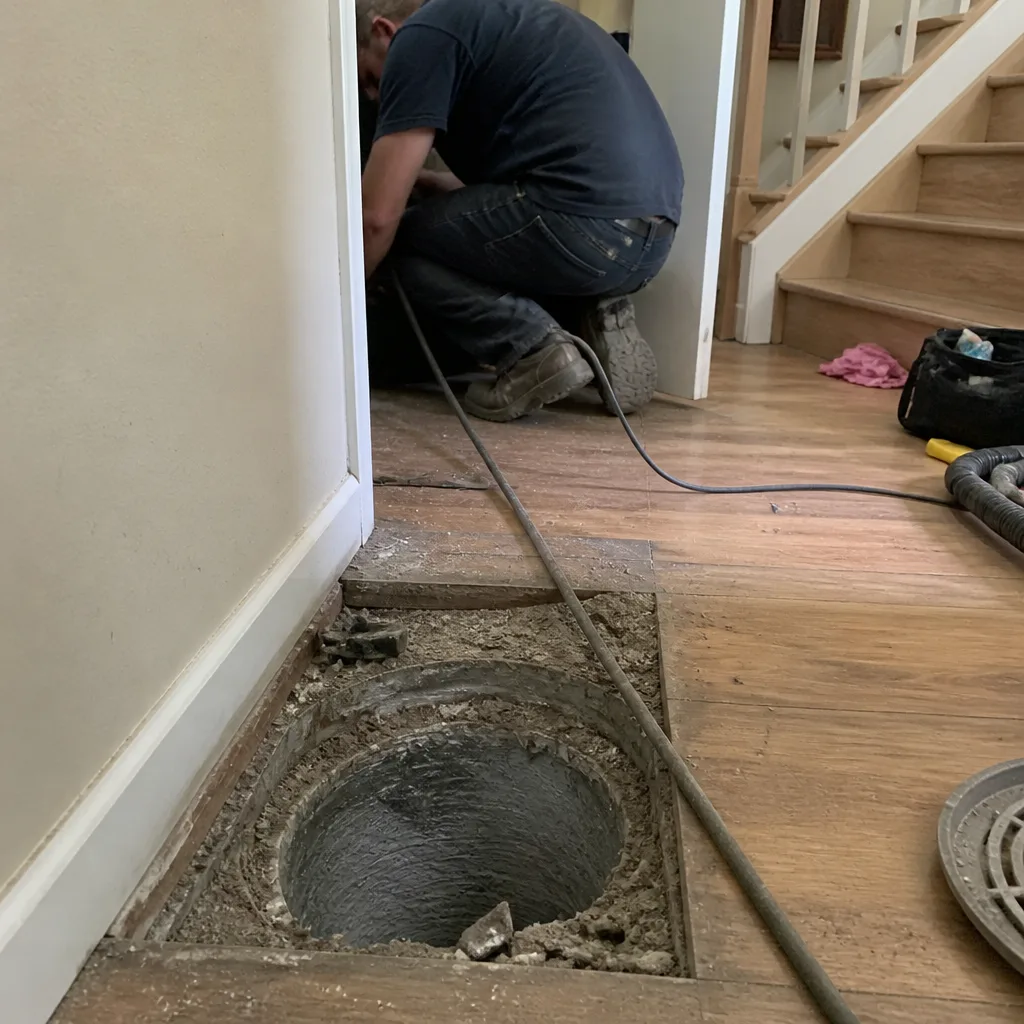 Before
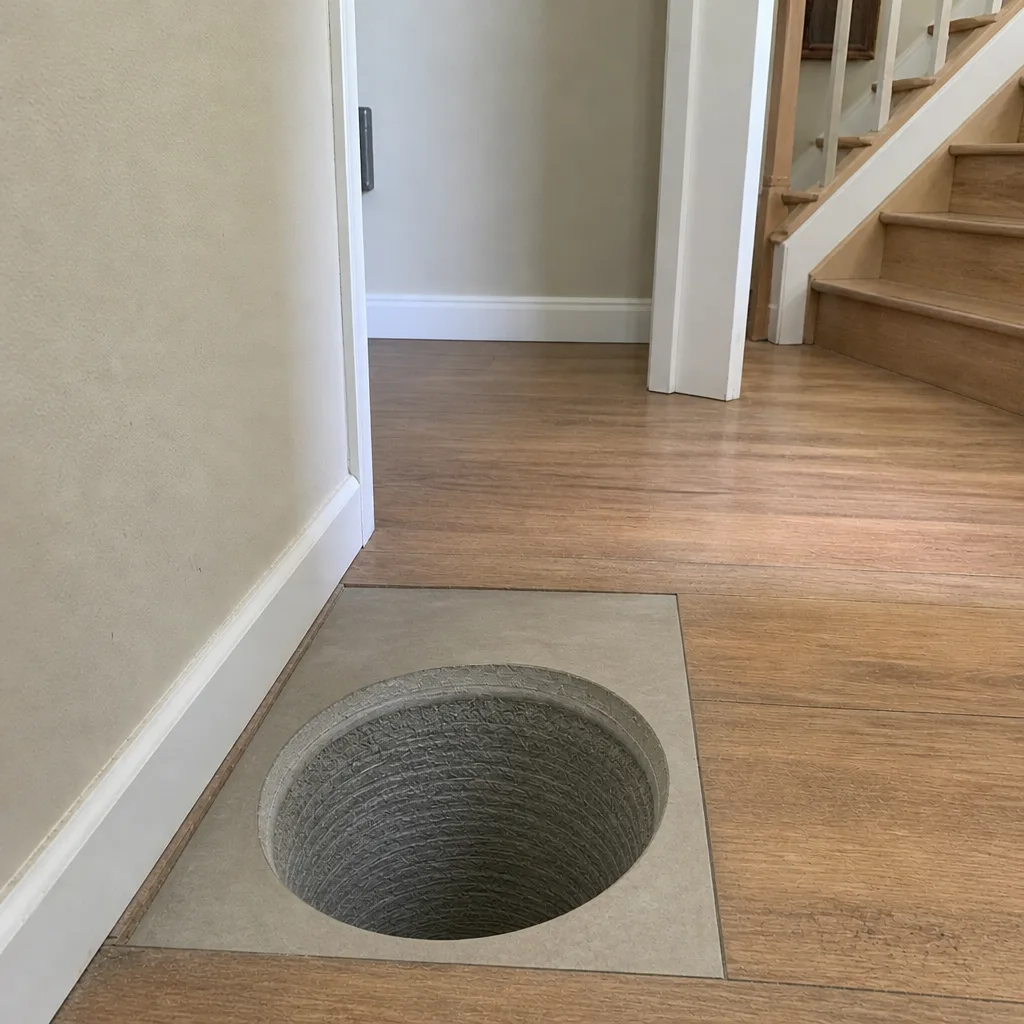 After
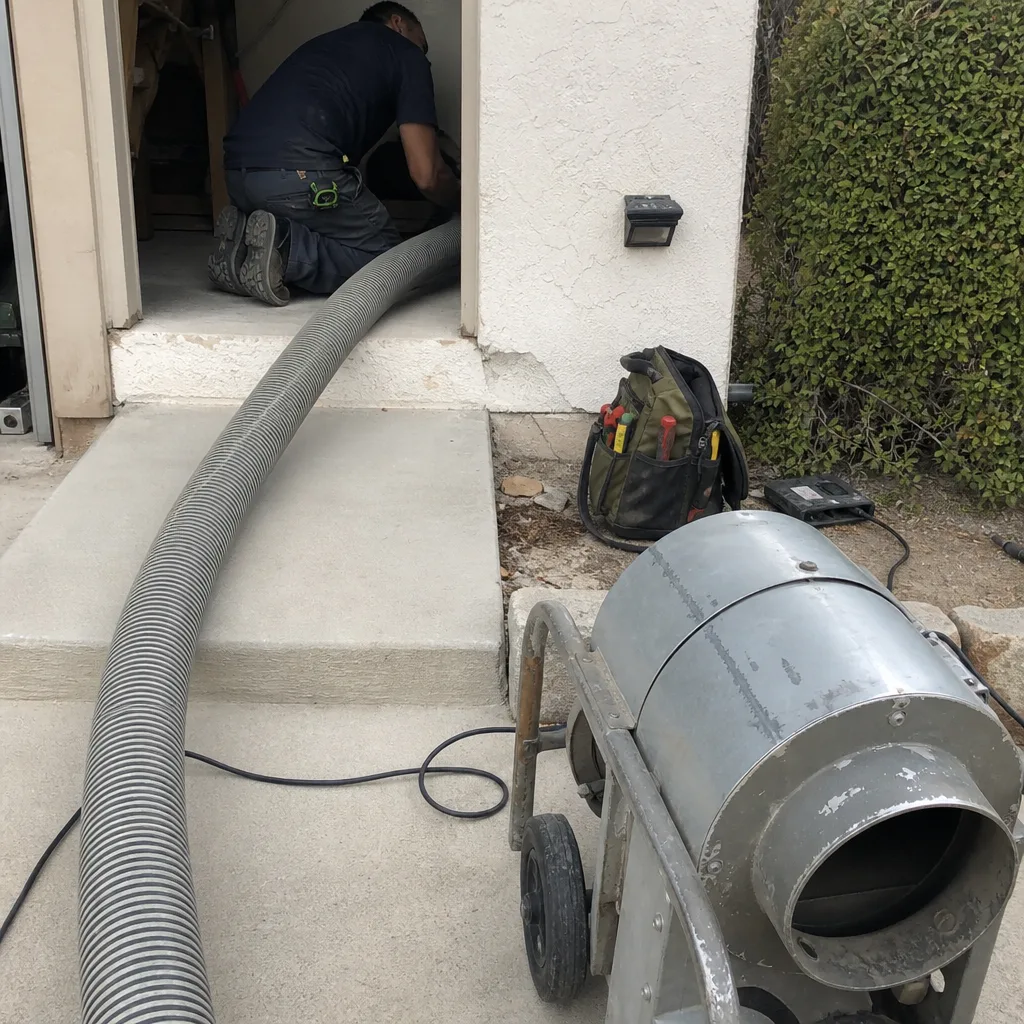 Before
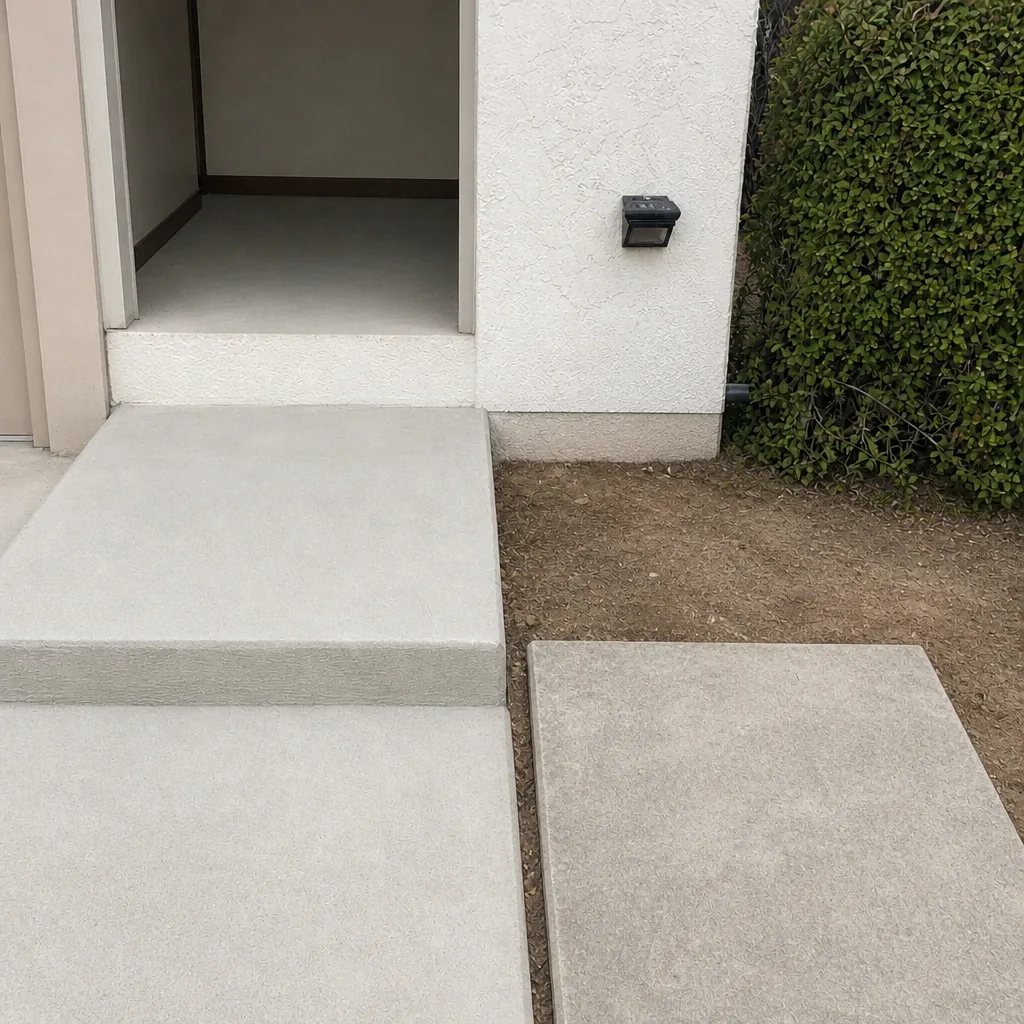 After
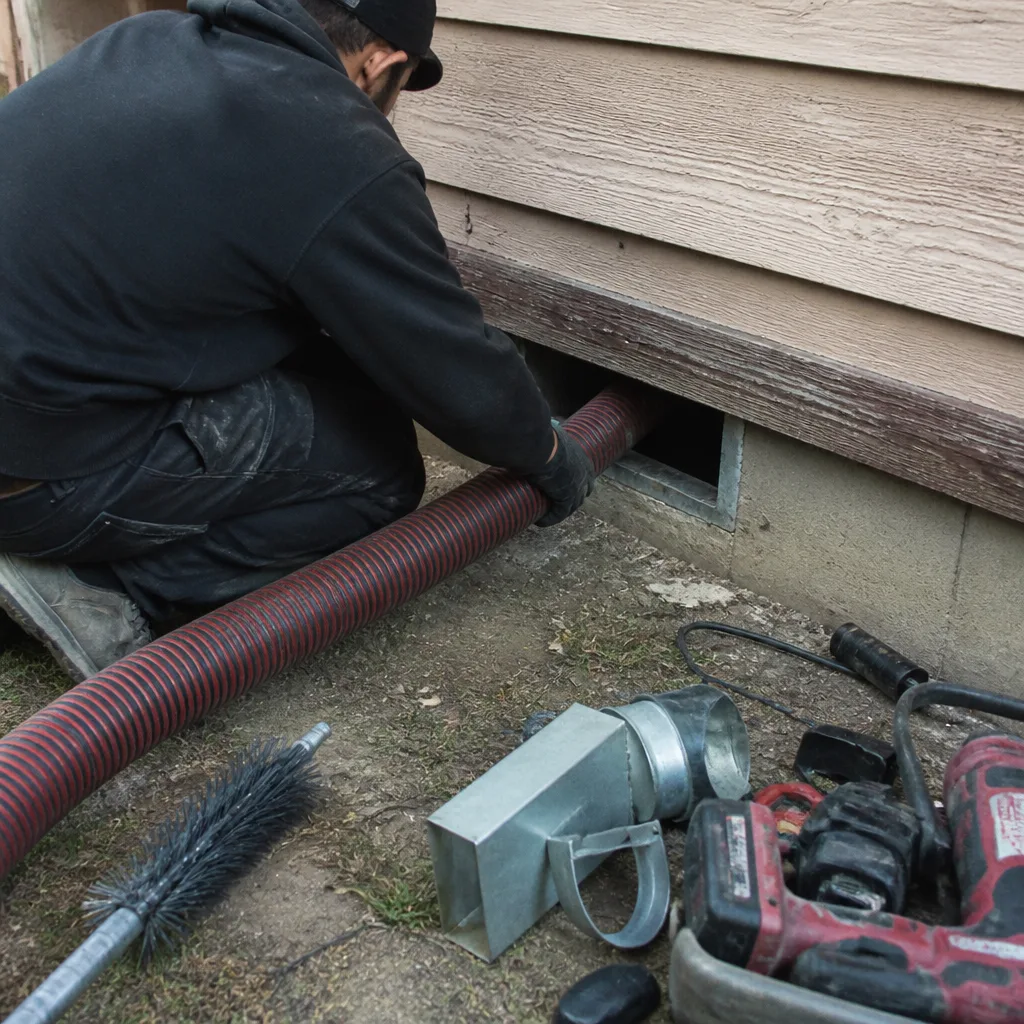 Before
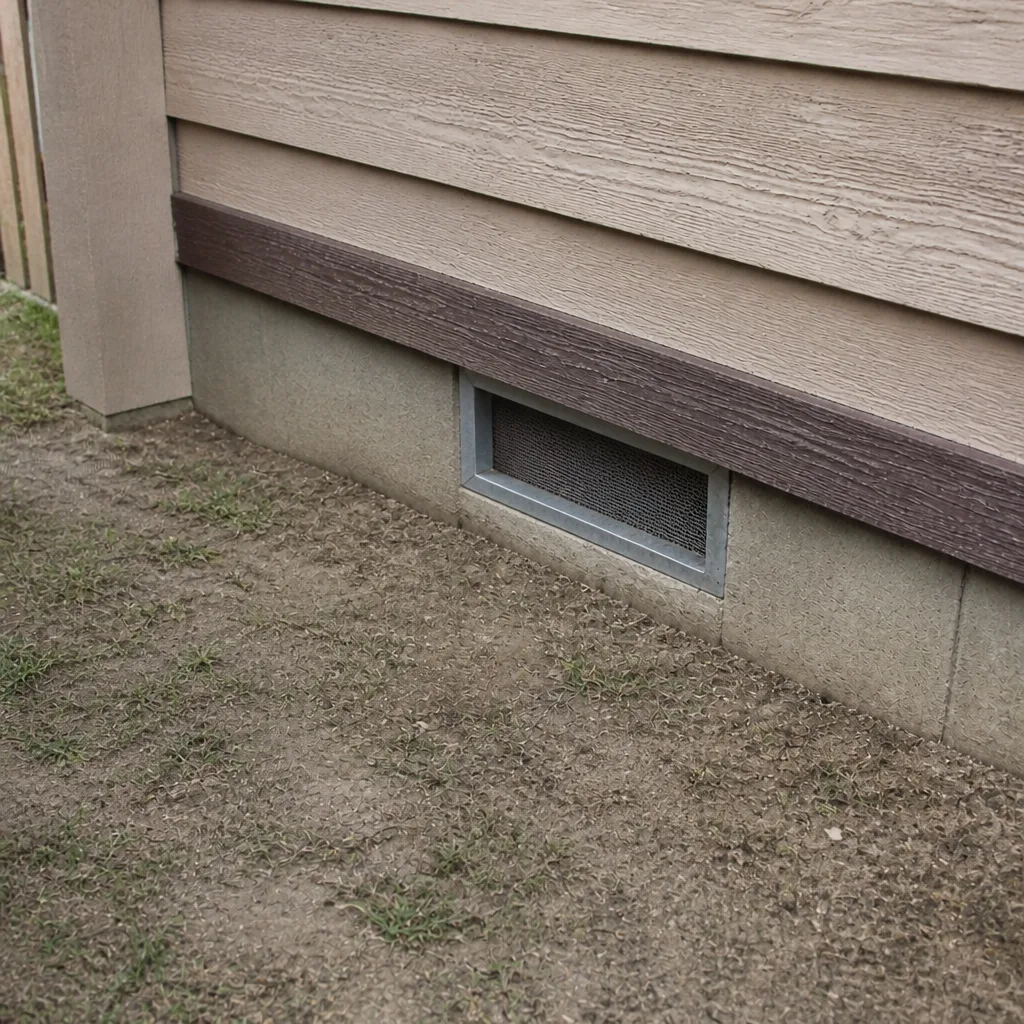 After
How Much Does Air Quality & Sanitizing Cost in Thornton?
Air quality and sanitizing in Thornton typically costs $350 to $950 for a whole-home duct system, with most single-family homes landing between $450 and $700. A single-vent or targeted odor treatment runs $150 to $300, while a full package that includes cleaning, sanitizing, and duct sealing can reach $1,200 to $1,800.
What separates one quote from another isn’t the label on the service, it’s what’s actually inside your ducts and how much equipment access the job needs. A 1970s ranch near Original Thornton with original galvanized ductwork is a different job than new construction off 144th Avenue with flex runs and a sealed return plenum. The written estimate sets the final price, and we’ll tell you exactly what’s driving the number.
Our technicians have up to 11 years of experience across residential and commercial systems. If you’re ready for a real number on your house, call (888) 845-7534. We answer 24/7. Fast dispatch from 7am to 7pm, Sunday through Friday.
Key Takeaways
- Whole-home air quality and sanitizing in Thornton runs roughly $350 to $950 for most houses.
- Targeted single-vent or odor treatment is $150 to $300.
- A cleaning, sanitizing, and sealing package typically lands at $1,200 to $1,800.
- Duct condition, system size, and access matter more than square footage alone.
- Free estimates, and the written estimate is the price – no surprises on the invoice.
Air Quality & Sanitizing Cost Breakdown (2026)
Here’s how the numbers break out by line item for the Thornton market. These are typical estimates, not quotes. Your written estimate is the number that counts.
| Service Component | Typical Estimated Range | What It Covers |
|---|---|---|
| Duct interior sanitizing (whole home) | $250 – $550 | Fogging or misting treatment across supply and return runs |
| Targeted single-vent or single-zone sanitizing | $150 – $300 | Isolated odor, microbial spot treatment, close-in work |
| Sanitizing added to a duct cleaning visit | $150 – $350 | Treatment applied after debris removal in the same visit |
| UV or inline air treatment discussion and setup | $200 – $500 | Assessment and coordination with existing IAQ equipment |
| Odor and microbial treatment (heavy) | $400 – $800 | Repeated application, source work, extended dwell time |
| Duct sealing combined with sanitizing | $600 – $1,200 | Sealing leaks so treated air stays in the system |
| Full package (clean, sanitize, seal) | $1,200 – $1,800 | Whole-system scope in one coordinated visit |
| Dryer vent cleaning (separate service) | $120 – $250 | Lint and heat-path clearance |
What pushes a quote toward the top of a range? Square footage helps, but it’s rarely the deciding factor. A house with twelve supply runs on a single trunk is easier than an eight-run house with three separate trunk lines and tight attic access. Heavier contamination – years of dust, pet dander, or a prior moisture event – takes longer to treat properly, and that time shows up in the number.
What keeps a quote at the low end? A system that’s been cleaned before, straightforward access to the plenum and main trunks, and equipment that’s working the way it should. When we work around Honeywell or Aprilaire components that are already installed and functioning, there’s less coordination overhead.
What Affects Air Quality & Sanitizing Pricing in Thornton
Thornton sits in the South Platte Valley, and the local climate shapes how duct systems behave here in ways a coastal or humid-climate price guide wouldn’t capture. Spring wind events push fine dust through outdoor intakes. Winter heating season runs long, so a furnace moves a lot of dry air through the same ductwork for months. Both factors mean duct interiors here collect a specific mix of particulates that a simple vacuum pass won’t address.
- System size and layout. The number of supply and return runs, how many trunk lines exist, and whether the ductwork is accessible all affect labor. A single-story ranch in Thornton with a central hallway return is a two- to three-hour sanitizing job; a two-story with multiple returns and a finished basement takes longer.
- Duct condition. Leaky, disconnected, or crushed flex runs need repair and sealing before sanitizing is worth doing. Treating a system that leaks treated air into the crawlspace wastes the material and the money. We’ll flag seal issues upfront so the estimate reflects real scope, not a surprise mid-visit.
- Contamination level. Pet dander, tobacco residue, and past moisture issues demand more material and more dwell time. A faint musty smell after the furnace kicks on is a different job than a persistent odor that’s been there through two heating seasons.
- Equipment compatibility. Homes with existing Honeywell or Aprilaire whole-home IAQ components require a technician who knows how to work around them without disturbing controls or voiding warranties. That familiarity is part of the scope, not an add-on.
- Accessory equipment and filtration. A home with upgraded filtration or an inline purification unit may need that component serviced or worked around, which adds time. A basic setup without those pieces runs simpler.
- Containment requirements. Proper sanitizing work uses containment and negative-air equipment. Jobs with aggressive contamination or occupied spaces needing extra containment take longer to set up and run. That’s Abatement Technologies territory, and it’s a real cost driver that consumer-grade setups can’t replicate.
The full air quality & sanitizing scope here includes microbial treatment and odor control of duct interiors, not just debris removal. That distinction matters when you’re comparing bids.
What’s Actually in Your Ducts, and Why It Changes the Price
Before we quote, we want to know what’s in the system. That sounds obvious, but a lot of pricing guides skip it. The truth is that dust alone is cheap to address. Dust plus moisture history plus a disconnected return plus pet dander is not. Each layer adds material, time, and sometimes equipment.
So we look at it in layers:
- Loose debris. Standard cleaning with a contractor-grade rotary brush and vacuum system. This is the base of any quote.
- Adhered buildup. Dust that’s bonded to duct walls, often from moisture cycles. Needs mechanical agitation before any treatment will contact the surface.
- Microbial and odor. Requires a sanitizing step, and the depth of that step depends on how embedded the issue is. Fogging a clean surface takes minutes. Treating a porous, contaminated surface takes longer and more product.
- System integrity. Leaks, gaps, and disconnected runs. If we sanitize a leaking system, the treatment goes into the attic or crawlspace instead of into your living space. That’s why sealing often comes before or alongside sanitizing.
We use Rotobrush and Nikro systems for the cleaning stage and Abatement Technologies equipment when containment and HEPA-level capture are needed. These are the tools commercial HVAC contractors use. Knowing what’s actually in the ducts is what lets us put a real number on the estimate instead of a broad range that gets worse later.
To understand the full scope of what this covers, start with Thornton Air Duct Cleaning Pros and how the five service categories fit together.
Is Sanitizing Worth It, or Should You Just Clean?
For many Thornton homes, cleaning alone is the right spend. Sanitizing adds value when there’s an odor, a moisture history, a health concern driving the call, or a system with heavy microbial presence. If none of those apply, spending $250 to $550 on sanitizing a clean system is money you don’t need to spend, and we’ll say so.
When sanitizing does make sense:
- A persistent musty or stale odor that returns after cleaning.
- A prior water intrusion or high-humidity event in the duct path.
- Recent remodeling or construction dust pushed through the system.
- Pest activity inside ductwork (rodent droppings, nesting material).
- New occupancy of a home that sat vacant through a heating season.
When sanitizing is likely a waste:
- Ducts that are already clean and haven’t been exposed to moisture or pests.
- A system that leaks badly and isn’t being sealed. Treating a leaking system doesn’t hold.
- An odor that’s actually coming from a source outside the ductwork (a dry drain trap, a dead appliance, a damp crawlspace). We’ll help identify that.
The call on which path makes sense for your home starts with a free estimate. Call (888) 845-7534. We answer 24/7. Fast dispatch from 7am to 7pm, Sunday through Friday.
How to Save on Air Quality & Sanitizing
There’s no coupon needed here. The savings usually come from doing the work in the right order and not paying twice for pieces of the same job.
- Bundle cleaning, sanitizing, and sealing in one visit. One mobilization beats three trips for the same system. Our five service categories – Air Duct Cleaning, Dryer Vent Cleaning, HVAC Cleaning, Duct Repair & Sealing, and Air Quality & Sanitizing – all live under one roof, so nothing gets subbed out and nothing gets billed twice.
- Handle seal issues before sanitizing. Sanitizing a leaking system is like mopping a floor with the door open. Fix the seal first and the treatment stays where it belongs.
- Right-size the treatment. A single-zone odor problem doesn’t need a whole-home fogging. Ask us to scope the problem honestly before pricing the solution.
- Keep up with dryer vent cleaning. A clogged dryer vent is a documented fire hazard and also an efficiency problem. Addressing it on a regular cadence is cheaper than discovering it during a different service call.
- Ask where the existing IAQ equipment stands. If you already have Honeywell or Aprilaire components, some of the treatment work can be coordinated rather than re-engineered. That’s a real savings, not a gimmick.
Free estimates are the starting point. Call (888) 845-7534 and we’ll give you a scoped number for your actual system.
What’s Included in a Typical Visit
A sanitizing visit usually includes a brief system walkthrough, containment setup if needed, cleaning of any accessible surfaces that will be treated, application of the sanitizing product, and confirmation that treated air is staying in the system (no obvious leaks left open). Here’s how the process typically unfolds for a typical Thornton home:
- Walkthrough and equipment assessment. We look at registers, returns, the plenum, and any existing IAQ components before touching anything.
- Containment setup. Negative-air and HEPA-level capture where the scope warrants it, using Abatement Technologies equipment.
- Surface preparation. Loose debris removed so the sanitizing product can actually contact duct surfaces.
- Application. Fogging or misting through the system, consistent with the product’s dwell requirements.
- Seal verification. Any gaps or disconnected runs identified earlier get addressed or flagged with a quote for sealing.
- Wrap-up. Filters checked, containment broken down, and any recommended follow-up explained in plain terms.
You don’t need to prep the house beyond clearing access to registers and the mechanical room. We handle the rest.
What About Commercial Spaces?
The same pricing logic applies to commercial systems, but the ranges don’t translate directly because commercial duct systems vary so widely in size and layout. A small retail space in Thornton with a single rooftop unit and short trunk runs might be priced closer to a large residential job; a multi-zone system in a strip center needs a site-specific estimate. We work with both residential and commercial clients, and the written estimate is always the starting basis. If you manage a property in the area, start the conversation with a scoped walkthrough.
FAQs – Air Quality & Sanitizing Cost
How much does air quality and sanitizing cost in Thornton?
Whole-home air quality and sanitizing in Thornton typically costs $350 to $950, with most single-family homes falling between $450 and $700. A targeted single-vent treatment runs $150 to $300. A full package that combines cleaning, sanitizing, and sealing typically lands between $1,200 and $1,800. Call (888) 845-7534 for an exact quote – estimates are free.
Is sanitizing included in a duct cleaning?
No. Standard duct cleaning removes debris but doesn’t apply a sanitizing treatment. When sanitizing is added to a cleaning visit, the added cost is typically $150 to $350. The written estimate spells out what’s included so there’s no ambiguity. Call (888) 845-7534 for a scoped number – estimates are free.
Is it cheaper to clean or replace the ductwork?
Repairing and treating existing ductwork is cheaper than replacing it in most cases. Duct repair and sealing in Thornton typically runs $300 to $900, and sanitizing adds $250 to $550 on top. Full duct replacement, by contrast, is a much larger, multi-day project with drywall and finish work involved. That said, if ductwork is crushed, sagging, or contaminated beyond what cleaning can address, replacement may be the more honest recommendation. Call (888) 845-7534 for a straight answer – estimates are free.
Can you come today?
Same-day service is often possible. We answer 24/7, and fast dispatch from 7am to 7pm, Sunday through Friday means an estimate or visit can usually be booked into the current day’s schedule when availability allows. Call (888) 845-7534 and we’ll give you a real window – estimates are free.
What’s the difference between cleaning and sanitizing?
Cleaning removes physical debris from duct surfaces. Sanitizing treats what’s left behind, including microbial growth and odor-causing material on duct surfaces. Cleaning alone leaves a stain on a wall; sanitizing treats the stain after the dirt is gone. The two are complementary, and in Thornton pricing terms, the cleaning step is the larger portion of the bill while the sanitizing add-on runs $150 to $350 in most cases. Call (888) 845-7534 to scope which applies to your system – estimates are free.
I’m getting a smell after the heat comes on. Is sanitizing the answer?
Sometimes. A brief musty smell on startup often points to settled dust burning off, which routine cleaning addresses. A persistent odor through the whole heating cycle may need a sanitizing treatment at $250 to $550. But an odor that smells like sewer gas or exhaust needs a different diagnosis before any duct work, and we’ll say so. Call (888) 845-7534 to talk it through – estimates are free.
Does sanitizing require a special product I have to buy separately?
No. The product is included in the treatment price. The $250 to $550 whole-home range and the $150 to $300 targeted range both include material, labor, and setup. You don’t buy anything extra.
Call for a Free Estimate
Pricing on a page gets you in the ballpark. Your ducts get you a real number. We’ll walk your system, tell you what’s actually in it, and give you a written estimate that holds. If cleaning and sealing make more sense than sanitizing, we’ll say so and price that instead. Call (888) 845-7534. We answer 24/7. Fast dispatch from 7am to 7pm, Sunday through Friday. Estimates are free, and the written estimate sets the final price.
Written by the team at Thornton Air Duct Cleaning Pros.
Pricing reflects the Thornton market as of 2026. Thornton Air Duct Cleaning Pros offers free estimates – call (888) 845-7534.
What Our Customers Say
"My wife's allergies had been bad in this house since we moved in. It's been two months since they did the ducts and it's noticeably better. Not a miracle, but real."
- Luis Morales"Two guys, about three hours, plastic down at every register, and they wiped the vent covers before putting them back."
- Allison Gallagher"Told me straight that our ducts were in decent shape and didn't need doing every year like the mailer companies claim."
- Bethany Mercer