
Last updated November 23, 2026
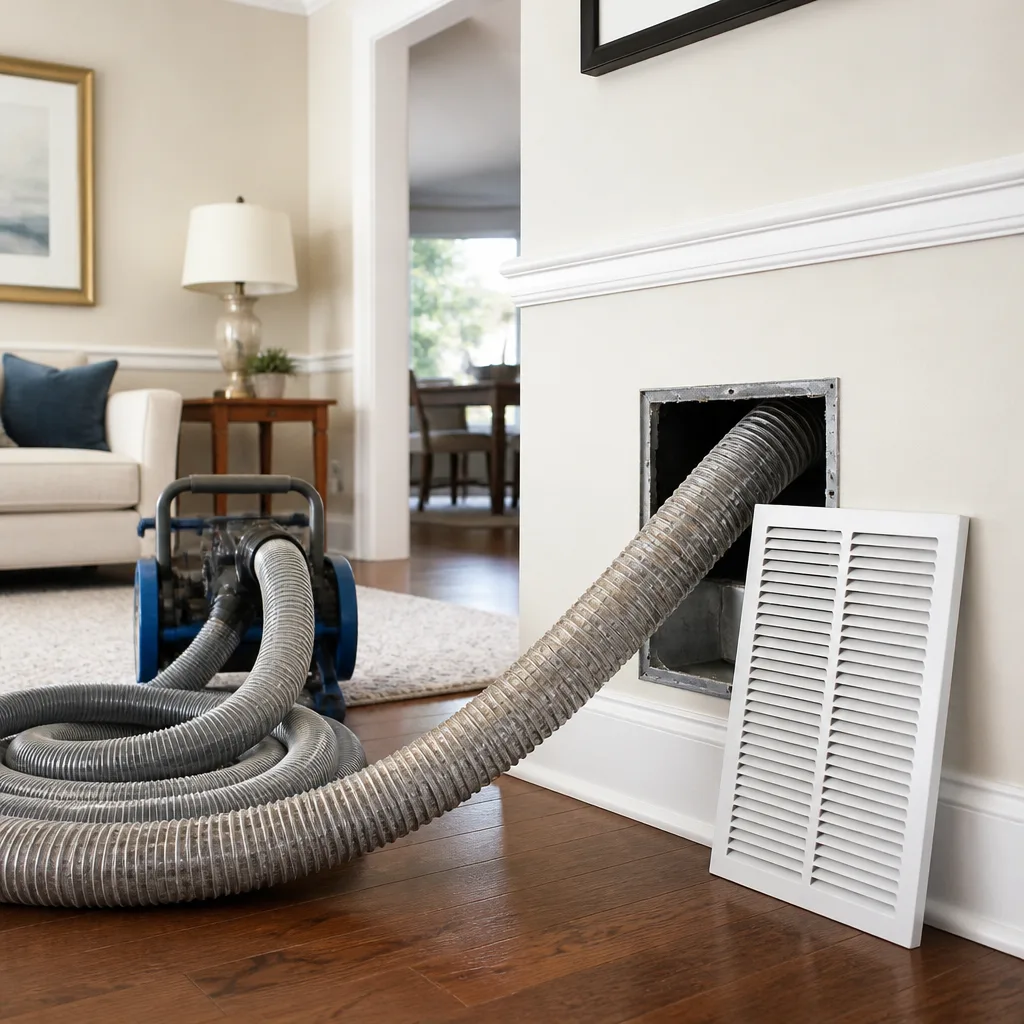 Whole-home duct cleaning
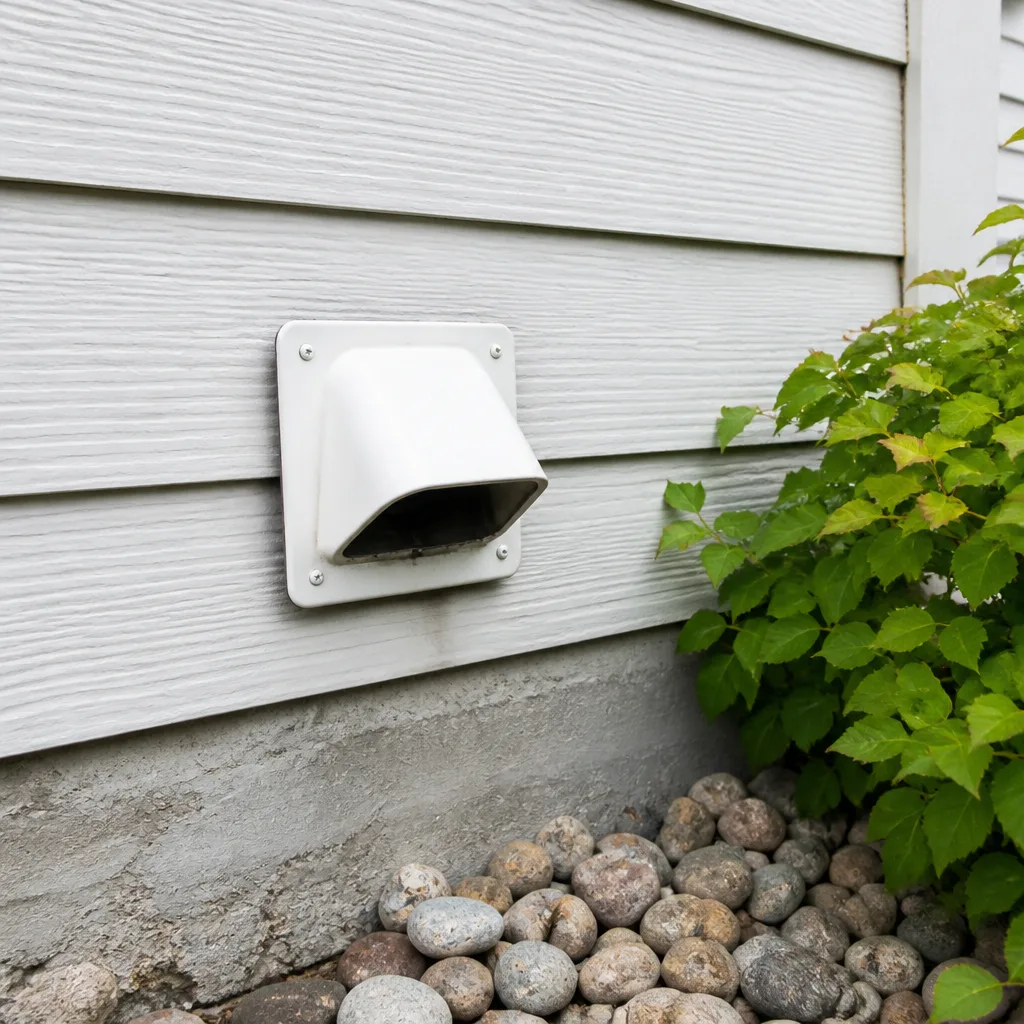 Dryer vent cleaning
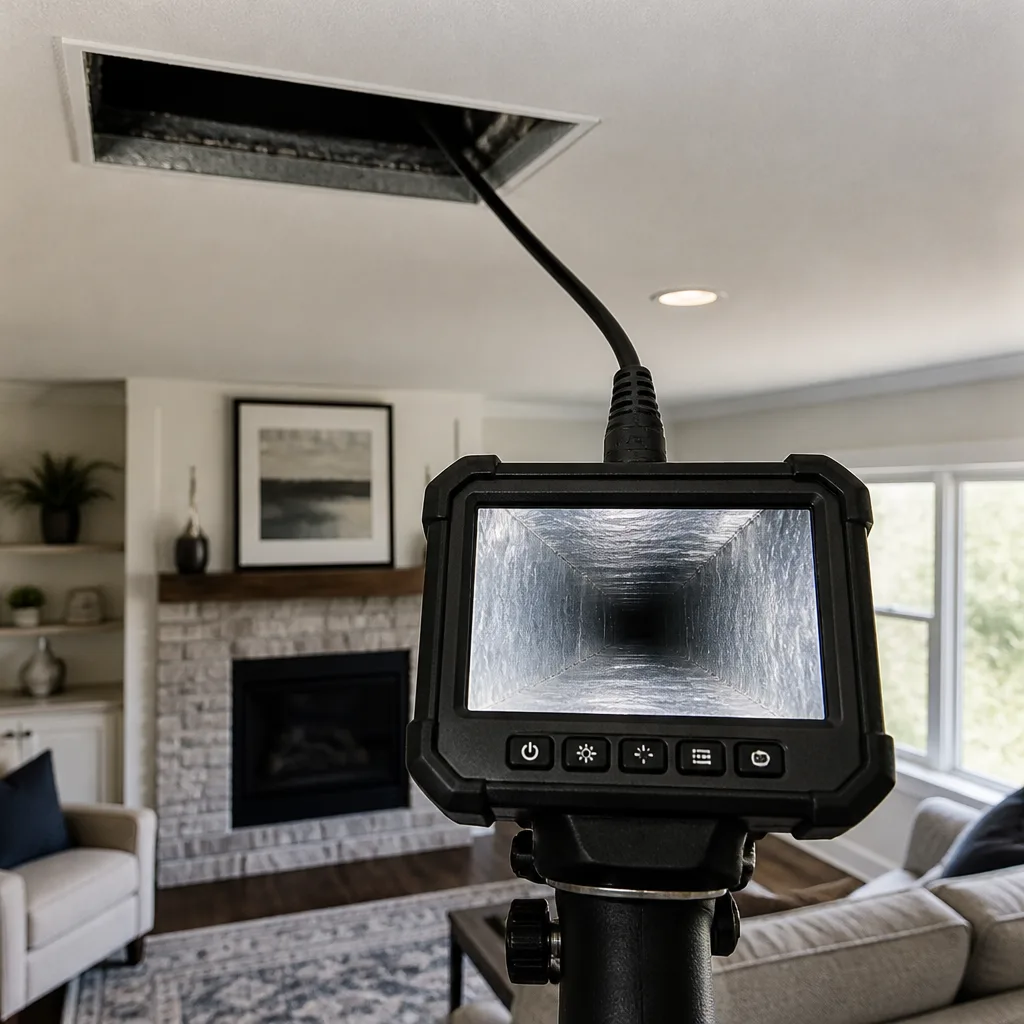 Camera inspection
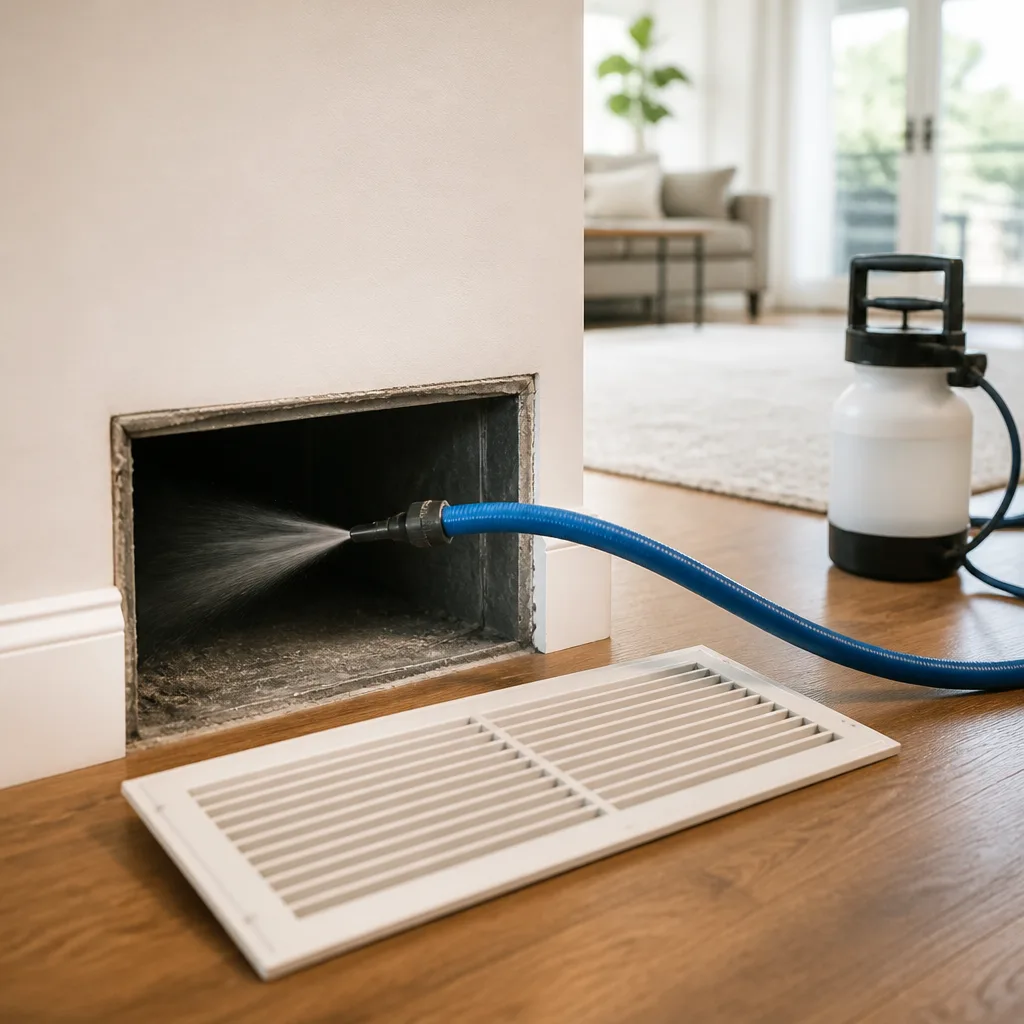 Sanitizing & deodorizing
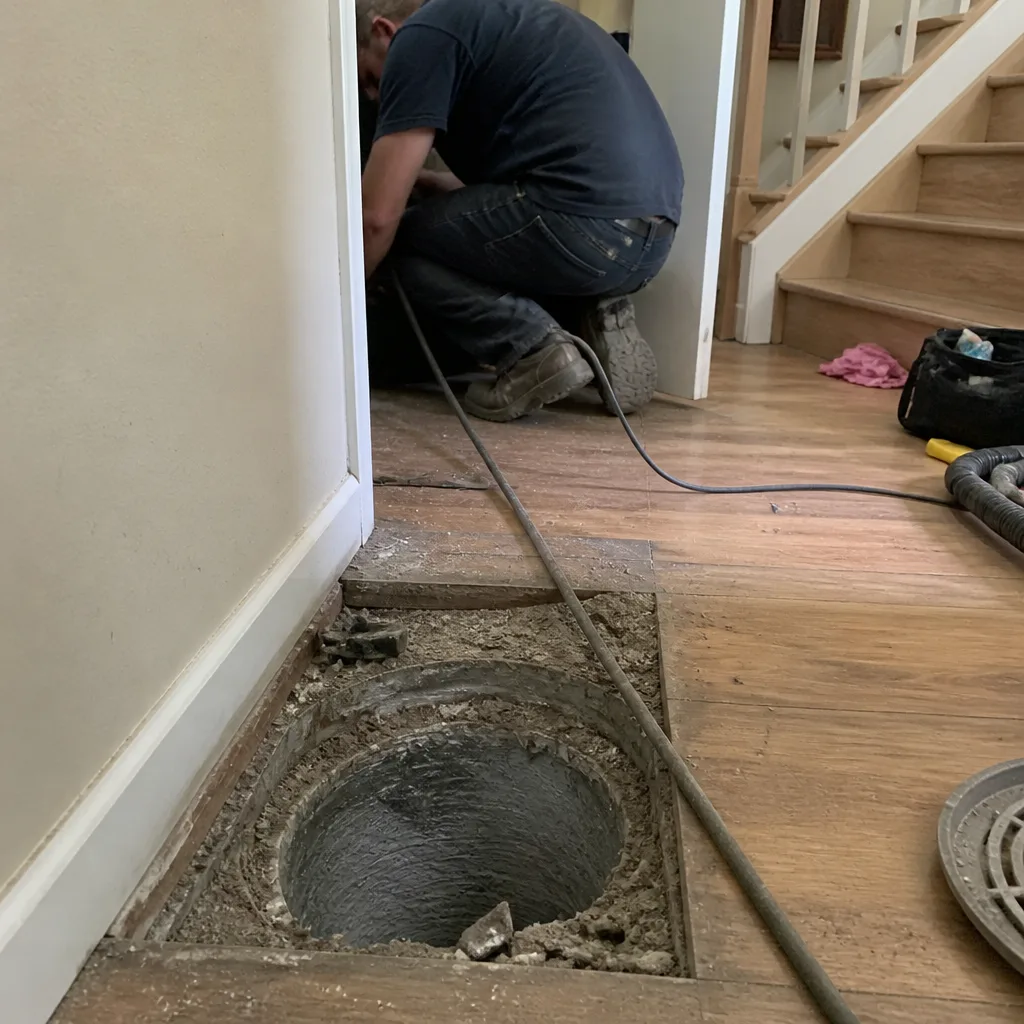
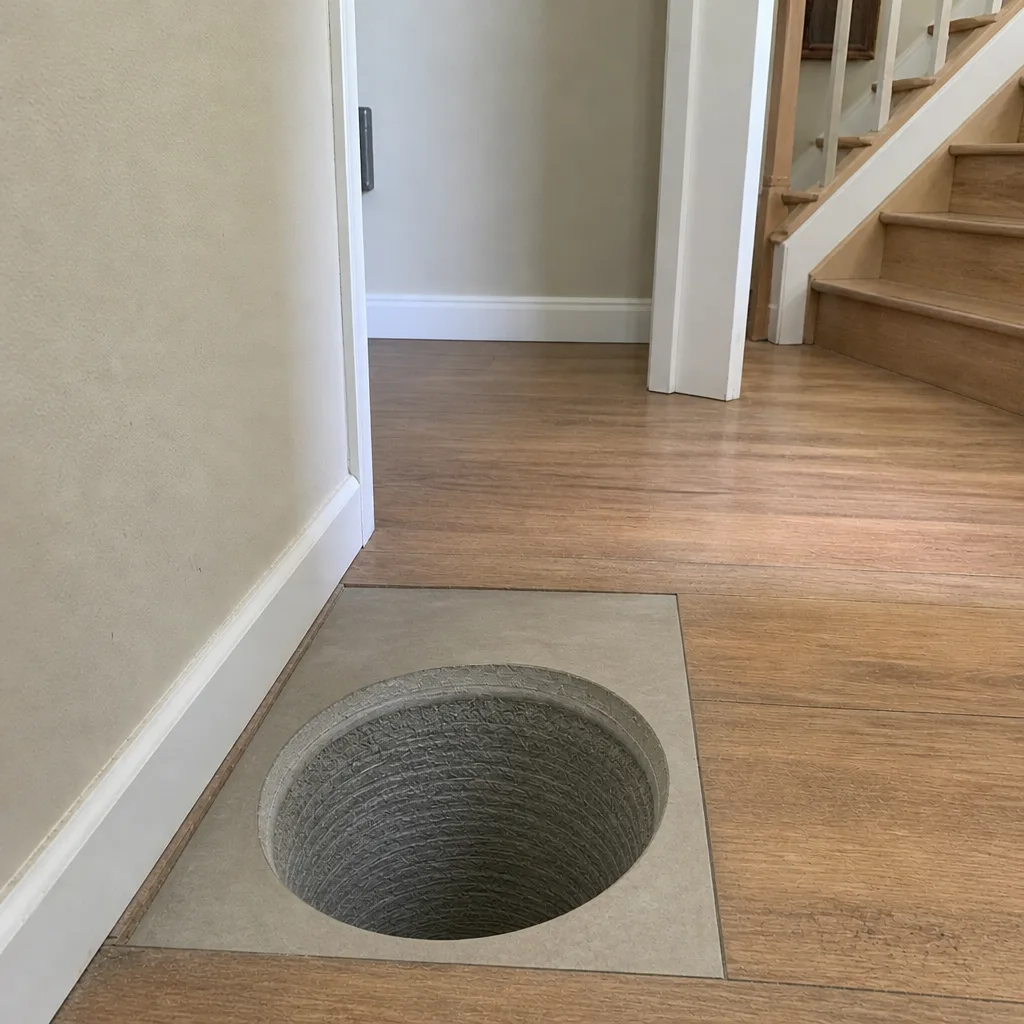
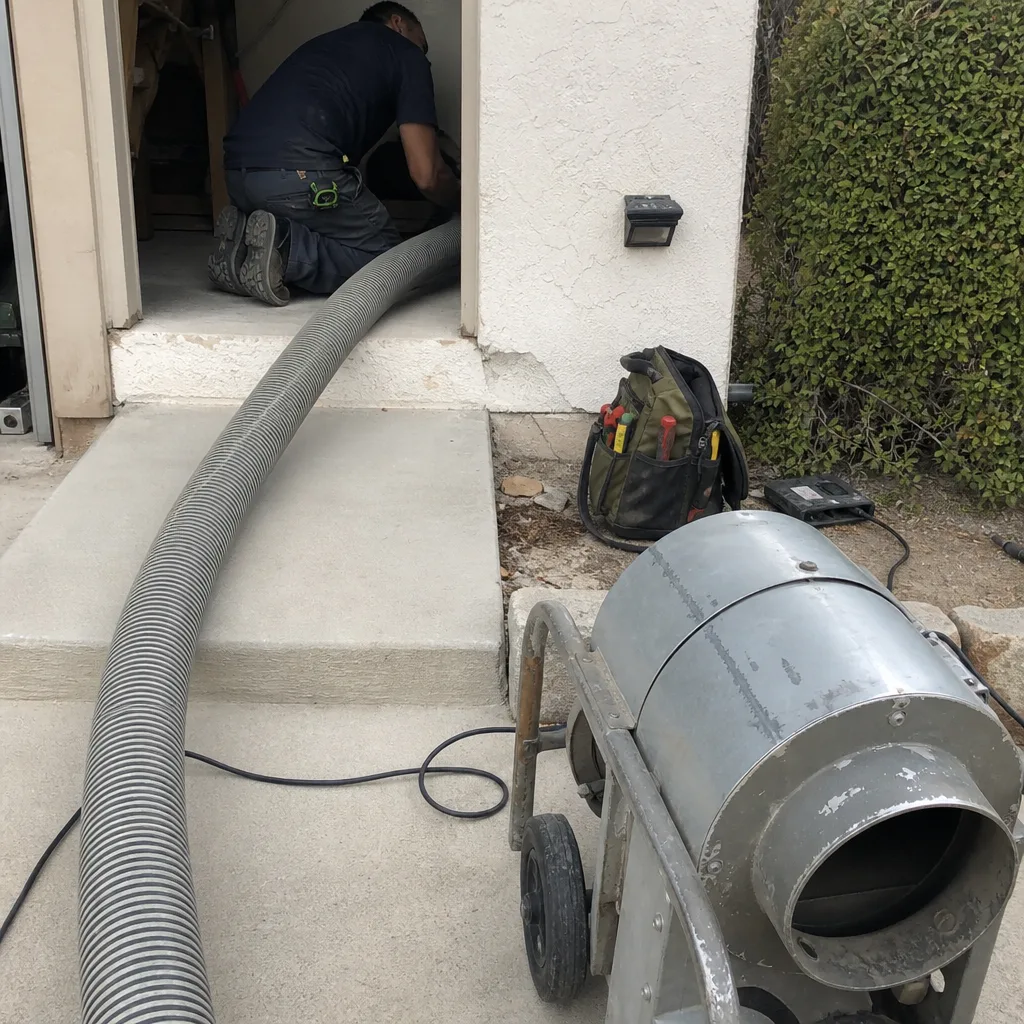
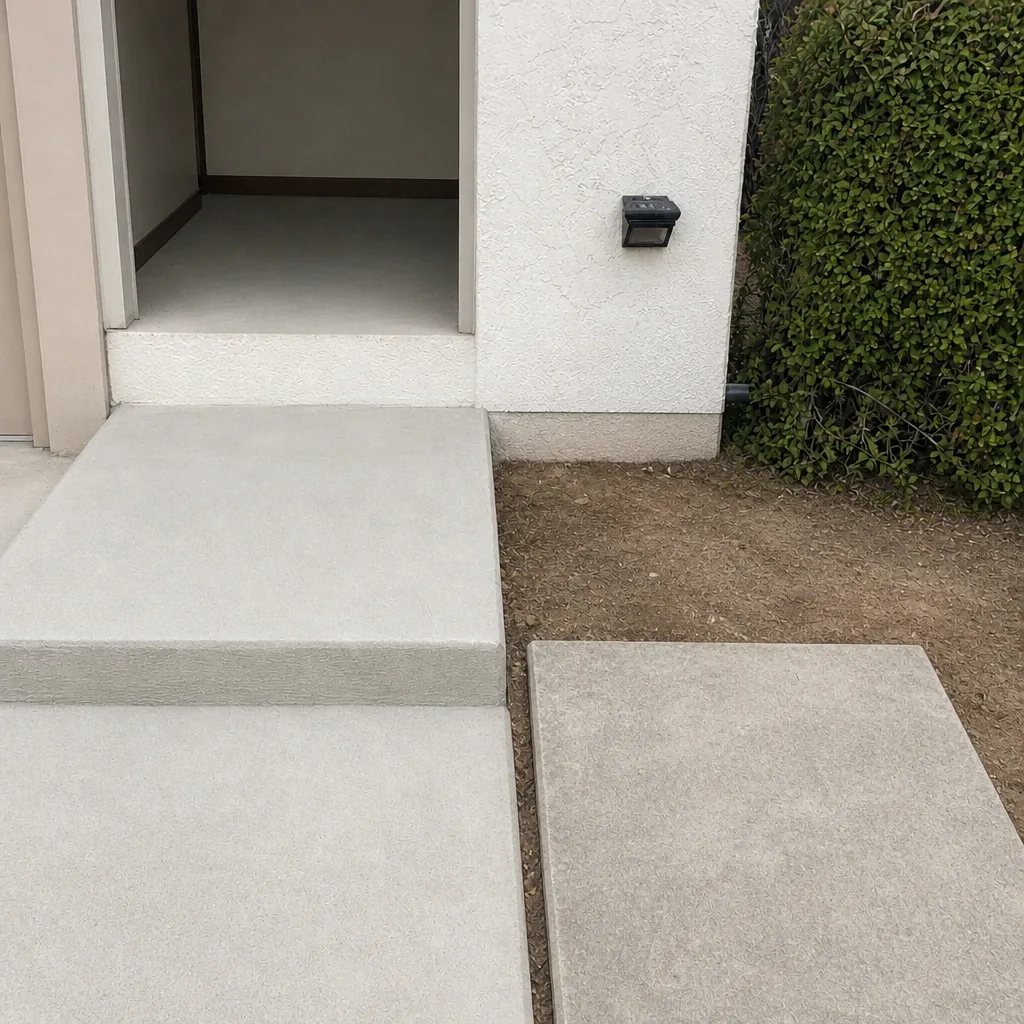
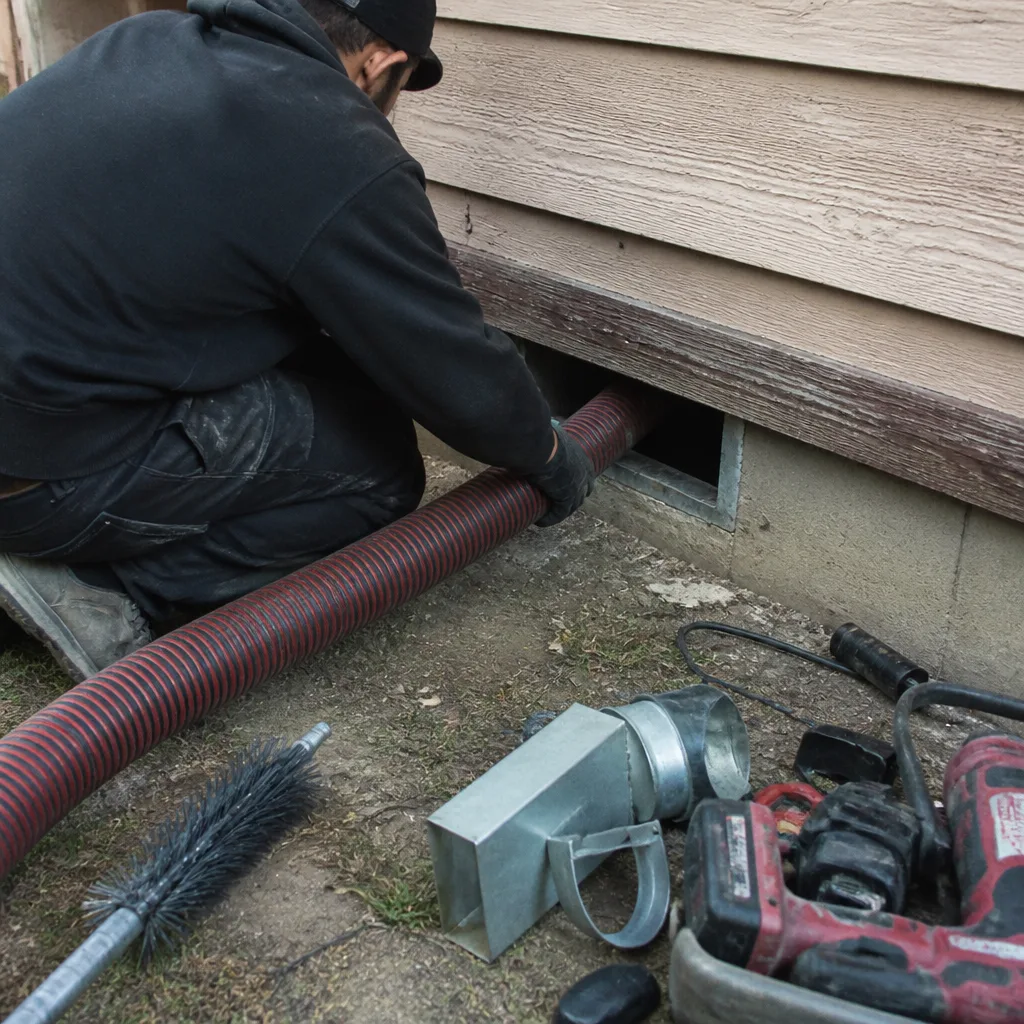
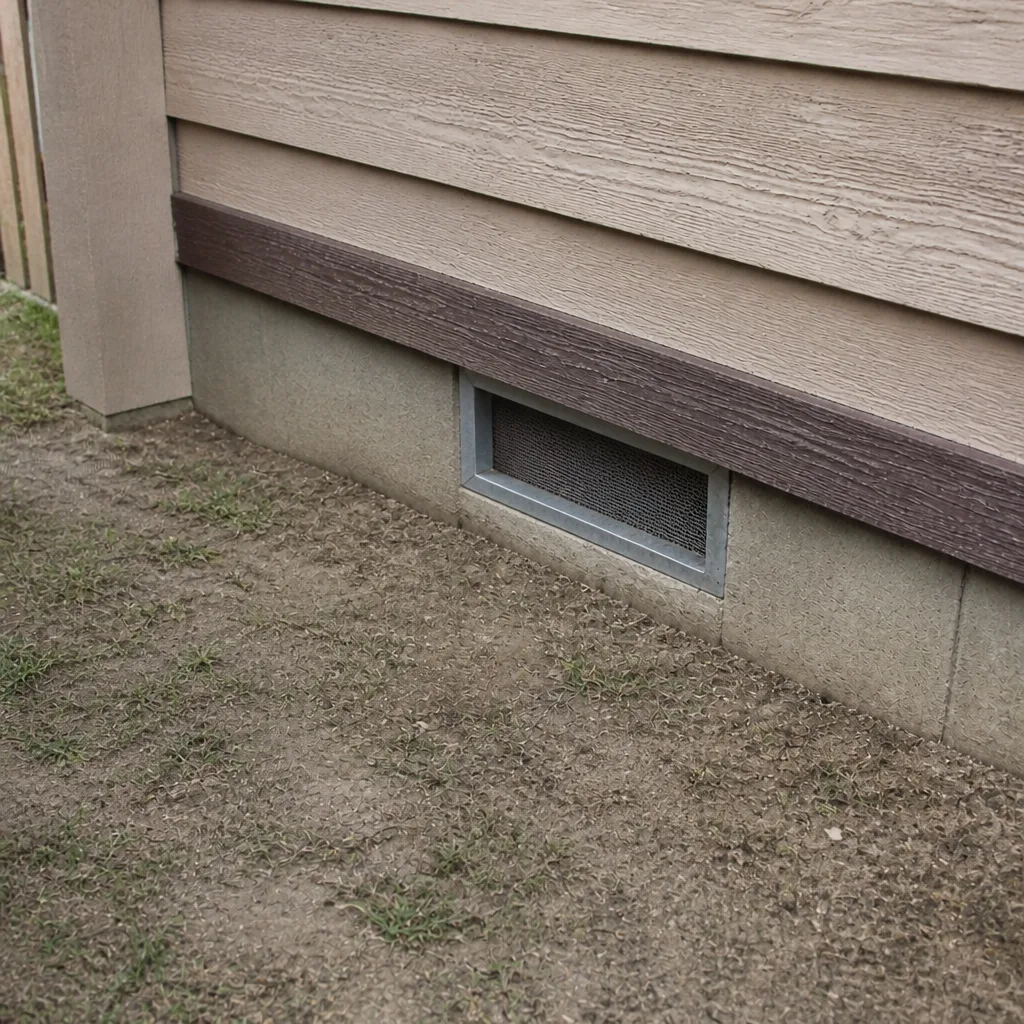
Whole-system duct and dryer vent check with before-and-after photos - you see exactly what came out of your vents
That "$99 whole-house special" is a bait ad - the real number appears once they are in your hallway, or the "clean" is a shop-vac at the register. We photograph the inside of your ducts before and after instead.
Air Duct Cleaning Emergency Preparedness Guide for Thornton Homes
Most homeowners think of duct cleaning as maintenance, something you get around to when the vents look dusty. The reality is rougher. When a wildfire smoke plume settles over the Front Range, when a sewer line backs up into a crawlspace, or when a kitchen fire pushes soot through an entire return system, your ducts stop being a comfort system and start being a contamination pathway. Each of those events requires a different response, a different timeline, and often a different kind of contractor than the one who handles routine cleaning. This guide walks Thornton homeowners through all three scenarios, what each one demands before a standard cleaning is even appropriate, and how to prepare before anything happens.
Quick Answer
Air duct cleaning after a wildfire smoke event is not the same as a routine cleaning, and calling a standard duct cleaner first can be the wrong move. Smoke events, sewage backups, and structure fires each deposit different contaminants in your duct system, and each requires an assessment step before cleaning begins. For smoke specifically, the volatile organic compounds that adsorb onto duct liner surfaces and the fine particulate lodged in the system need HEPA-level capture and containment, not a shop-vac and a brush. This guide covers the three emergency scenarios, the correct sequence for each, and what to have ready before an event happens.
Styles & brands we work with
- Whole-home duct cleaning
- Dryer vent cleaning
- Camera inspection
- Sanitizing & deodorizing
Table of Contents
- Scenario One: Wildfire Smoke Infiltration
- How to Shut Down and Isolate Your HVAC During a Smoke Event
- Scenario Two: Sewage Backup With HVAC Exposure
- Scenario Three: Post-Fire Restoration
- How to Evaluate a Contractor’s Emergency IAQ Claims
- Pre-Event Preparedness Checklist
- Common Mistakes to Avoid
- Frequently Asked Questions
Scenario One: Wildfire Smoke Infiltration
Wildfire smoke is the most common of the three emergency scenarios in Thornton because it arrives without warning and it arrives repeatedly. A summer smoke event can push outdoor air quality into hazardous territory for days, and the natural instinct during a stretch of 95-degree heat is to run the air conditioning. That instinct is the problem. Your HVAC system pulls outdoor air through the return and pushes it through every duct in the house. When outdoor particulate counts are elevated, running the system circulates smoke particulate directly into the duct system, where fine particles settle on duct interiors and larger particles lodge in the filter.
What most homeowners don’t realize is that the contamination doesn’t stop at particulate. Wildfire smoke carries volatile organic compounds, and those VOCs adsorb onto duct liner surfaces, fiberglass insulation, and the interior walls of the ductwork itself. That’s the part a standard cleaning misses. A brush-and-vacuum run removes visible debris and surface particulate, but it does not neutralize adsorbed compounds that continue off-gassing into the air stream after the smoke clears.
Proper smoke remediation after a major event involves three distinct phases:
- Assessment. The technician inspects the duct interior, the air handler, the coil, and the filter to determine how far contamination has traveled and whether the liner surfaces show signs of adsorption.
- Contained cleaning. Source removal with HEPA-level capture, using equipment designed to keep particulate from re-entering the living space during the cleaning itself. This is where air duct cleaning done with contractor-grade equipment differs from a consumer-grade approach.
- Sanitizing. Treatment of duct interiors to address microbial growth and odor compounds left behind after the physical debris is removed.
Those three phases need to run in sequence. Skipping the sanitizing step after a heavy smoke event leaves the VOCs and odors in place even when the ducts look clean. Skipping containment during cleaning sends the particulate back into the house. A Thornton home that has been through a major smoke event deserves the full sequence, not a one-pass cleaning.
How to Shut Down and Isolate Your HVAC During a Smoke Event
During an active smoke event, the single most effective thing a homeowner can do is stop the system from pulling outdoor air into the house. That means shutting the HVAC down and isolating the duct system until outdoor air quality improves. It’s counterintuitive on a hot day, but circulating smoke through your ducts for eight hours because the house is warm is a worse trade than a warm afternoon.
Here’s the sequence:
- Turn the thermostat to off. Not to fan-on, not to auto. Off. The fan is what circulates air through the ducts.
- Close the outdoor air intake if your system has one. Many modern systems have a fresh-air intake damper, and it needs to be closed during a smoke event, not left open.
- Seal return grilles temporarily. A layer of plastic sheeting taped over the return grilles will keep smoke from drifting into the duct system through the returns when the system is off.
- Seal supply registers if smoke is entering the house. Same approach as the returns.
- Check the filter and change it after the event. A filter loaded with smoke particulate restricts airflow and starts to release trapped particles back into the airstream.
- Document the event. Note the dates, the outdoor AQI if you have it, and whether the system ran during the event. That documentation helps the technician scope the cleaning correctly.
If you’ve already run the system through a smoke event, you’re not stuck. But you do need to treat the cleaning as smoke remediation rather than a routine job, and the technician needs to know the system ran during the event so they can plan the sanitizing phase. In our experience, homeowners who isolate the system during the event end up with significantly less contamination in the duct system afterward. Our technicians have up to 11 years of experience, and the difference in duct condition between an isolated system and a system that ran through a smoke event is visible on the first inspection.
Scenario Two: Sewage Backup With HVAC Exposure
A sewage backup that reaches the HVAC system is the most serious of the three scenarios because it introduces biological contamination into the air stream. Category 3 water, which is what sewage backup produces, carries pathogens that you do not want circulating through a residential duct system. The complication is that most homeowners don’t realize the HVAC has been exposed until they notice odor coming from the vents or visible damage at the air handler.
The critical sequence here is different from smoke remediation. Mold remediation must precede duct cleaning, not follow it. Here’s why: if the duct system has been exposed to moisture from a sewage event, mold growth can develop on duct interiors within days. Running a standard cleaning through a system with active mold growth spreads spores rather than removing them. The remediation step removes the moisture source and treats the mold, and only after that is complete does duct cleaning make sense.
What to request from each contractor:
- From the water damage or mold remediation contractor: written confirmation that the moisture source has been corrected, moisture readings from the affected area have returned to normal, and any mold remediation work has been completed and documented.
- From the duct cleaning contractor: a written scope that confirms the system is dry before cleaning begins, that the cleaning uses HEPA-level containment, and that the sanitizing phase follows the physical cleaning.
- From your insurer: documentation that ties the duct work to the original loss event, so the cleaning and any sealing work is covered under the claim rather than treated as maintenance.
If the ducts show signs of damage from the moisture event, sealing or repair may be needed after cleaning. Duct repair and sealing are part of the full-system approach, which is why it helps to work with a contractor who handles cleaning, repair, sealing, and sanitizing under one scope rather than coordinating three separate trades. A Thornton homeowner who has been through a sewage backup has enough moving pieces already.
Scenario Three: Post-Fire Restoration
A structure fire leaves a different signature in the duct system than either smoke infiltration or water damage. Fire produces soot, and soot is acidic, oily, and it travels the same paths through the duct system that air does. After a fire, soot deposits land on duct interiors, on the air handler, on the coil, and in the filter. Some of it is visible; most of it isn’t. The odor that lingers after a fire is often a duct system issue, not a wall issue.
Post-fire duct work is a restoration project, not a cleaning job. The sequence:
- Structural and air quality assessment. The restoration contractor or industrial hygienist determines the scope of contamination and whether the duct system is part of the affected area. This step typically happens before cleaning.
- Contained cleaning of the full duct system, air handler, and coil. Source removal with HEPA-level capture. The equipment matters here because soot re-entrainment is a real problem during cleaning, and a standard shop-vac setup will not contain it.
- Sealing after cleaning. Duct interiors that have been cleaned after soot exposure often benefit from sealing to lock down residual deposits and prevent odor from returning.
- Sanitizing. Treatment of the duct interiors to address odor compounds and any microbial growth that developed during the period between the fire and the restoration.
Post-fire restoration also involves the air handler and coil, not just the ducts. Our HVAC cleaning scope covers the air handler, coil, and blower because those components trap soot the same way the ducts do. A duct-only cleaning that leaves soot on the coil will leave the odor in place.
How to Evaluate a Contractor’s Emergency IAQ Claims
Not every contractor who answers an emergency call is equipped to handle one. The difference between a standard duct cleaner taking an emergency call and a contractor set up for emergency IAQ work comes down to equipment and scope, and both are verifiable if you know what to ask.
Equipment. Ask what vacuum and containment system the contractor uses. Consumer-grade shop-vacs and portable units don’t provide the airflow or filtration needed for a contaminated system. Contractor-grade equipment from brands like Rotobrush and Nikro is built for the job, and containment equipment from Abatement Technologies signals negative-air capability, which is the standard in remediation work. If a contractor can’t tell you what vacuum and filtration system they use, that’s the answer.
Scope. Emergency IAQ work requires cleaning, sanitizing, and often sealing as a connected scope. A contractor who only cleans and then refers you to someone else for the sealing or the sanitizing is going to leave gaps in the response. The full-system approach, cleaning through sealing in one visit, is what you want after a major contamination event.
Familiarity with premium IAQ systems. If your home has a Honeywell or Aprilaire air quality system, the contractor needs to know how to clean around those components without damaging them or voiding the manufacturer’s warranty. Those systems are part of the whole-home IAQ ecosystem, and cleaning a duct system that includes them requires understanding how they’re integrated.
Dryer vent scope. A contractor set up for emergency IAQ work typically offers dryer vent cleaning as a standard service, because a clogged dryer vent is a fire hazard and a whole-home safety issue. That scope tells you something about how the contractor thinks about the home beyond the ducts.
Documentation. Ask what you’ll receive after the work. Before-and-after photos of the duct interiors, a written summary of the scope completed, and any moisture readings taken during the job. A contractor who does emergency work can show you what they did.
Pre-Event Preparedness Checklist
Preparedness is the difference between a manageable response and a scramble. The time to prepare for a smoke event or a fire is before the smoke event or fire. Here’s what every Thornton homeowner should have on hand before the season starts.
System documentation:
- The model number and installation date for your air handler and any IAQ accessories, including Honeywell or Aprilaire equipment.
- A rough diagram of the duct layout, including return locations and any fresh-air intake.
- The location of the HVAC shutoff, whether that’s the breaker or a dedicated switch.
- Manufacturer spec sheets for any Aprilaire or Honeywell system so the contractor can clean around it correctly.
Filter inventory:
- Two spare filters in the correct size, plus the filter size written down somewhere you can find it during a scramble. A smoke event is not the time to measure the filter slot.
- A filter rating appropriate for smoke season. On a heavy smoke event, the filter will load faster than normal, and having spares means you’re not running a loaded filter for days.
Contractor contacts:
- The duct cleaning contractor you’ll call for post-event work, saved in your phone before you need it.
- A water damage or mold remediation contractor, for the sewage scenario.
- A restoration contractor for fire and smoke structural work.
One additional step: before smoke season begins, consider a baseline duct inspection. If you know what your ducts look like clean, you can more easily judge the difference after an event, and the technician has a reference point for scope. Our Thornton Air Duct Cleaning Pros team can walk you through a pre-season inspection as part of a preparedness plan.
See the difference
 Before
 After
 Before
 After
 Before
 After
Common Mistakes to Avoid
- Running the HVAC during a smoke event. The instinct to cool the house on a hot day pulls smoke into the duct system. Turning the system off and isolating the returns for the duration of the event is the right move, even when the house is warm.
- Scheduling a standard cleaning after a smoke event. Standard cleaning removes debris; smoke remediation requires assessment, contained cleaning, and sanitizing in sequence. Asking for the wrong scope leaves the VOCs behind.
- Cleaning ducts before mold remediation is complete. If the ducts have been exposed to moisture, cleaning before the moisture source is corrected spreads spores rather than removing them. Remediation is the first step, always.
- Repainting or re-occupying before the duct work is done after a fire. Soot on the coil and in the ducts will re-contaminate the living space. The duct work happens before the finishing work.
- Hiring the first contractor who answers the phone. Emergency calls are exactly when you should ask about equipment and containment, because the difference between a shop-vac and a contained HEPA system matters most on the jobs where contamination is worst.
- Skipping the documentation. Before-and-after photos, moisture readings, and a written scope aren’t paperwork for its own sake. They’re what your insurer will ask for, and what protects you if a claim is disputed.
- Forgetting the dryer vent. Thornton homes with a dryer vent run that’s overdue for cleaning carry a fire risk independent of any smoke or water event. It’s a whole-home safety item that belongs in the preparedness plan.
When to Call a Professional
Call a professional duct contractor after any of the three emergency scenarios, and call before you start cleaning on your own. For smoke events: when the outdoor AQI has been elevated for a sustained period and the HVAC ran during it, or when odor lingers in the house after the smoke clears. For sewage: when the backup reached the HVAC air handler or return, or when you notice odor coming from supply vents. For fire: when the structure has been assessed and the restoration scope includes the duct system. In each case the professional step is an assessment and a written scope before any cleaning begins. Thornton Air Duct Cleaning Pros offers free estimates in Thornton, and we answer 24/7 at (888) 845-7534. Fast dispatch from 7am to 7pm, Sunday through Friday.
Frequently Asked Questions
Smoke remediation pricing depends on the size of the system and the level of contamination, and we set it per job by written estimate rather than quoting a flat fee over the phone. A standard cleaning on an uncontaminated system typically runs lower than a post-smoke scope that includes assessment, contained cleaning, and sanitizing, and a full-system job that includes sealing runs higher than a clean-only job. Call (888) 845-7534 for an exact quote – estimates are free.
No. Running the system after a smoke event pushes any particulate lodged in the ducts back into the living space and doesn’t address VOCs that have adsorbed onto duct liner surfaces. The system should stay off until the ducts are assessed and cleaned with contained HEPA-level capture.
Cheaper quotes typically skip the containment equipment, the sanitizing phase, or both, and a cleaning without containment re-entrains particulate into the house during the job. A quote that doesn’t mention what vacuum and filtration system will be used, or that treats a smoke event as a standard cleaning, is priced low because the scope is smaller than the job requires. Call (888) 845-7534 for an honest scope and a free estimate.
Before-and-after photos of the duct interiors, a written summary of the scope completed, and any moisture readings taken during the job. Those three items are what a genuine emergency response produces. A contractor who can’t provide photos of the duct interiors before and after is asking you to take the work on trust.
Routine cleaning frequency depends on the home, the filter discipline, and how many smoke events the system has been through, but a home that has been through a wildfire smoke event, a sewage backup, or a fire needs remediation on the event timeline, not the routine one. A pre-season inspection before smoke season is a reasonable baseline for most Thornton homes.
We handle cleaning, repair, sealing, and sanitizing as one scope, so a duct problem discovered mid-job doesn’t send you looking for another contractor. The full-system approach covers the air handler and coil as well as the ductwork, and it means the post-event response runs cleaning through sealing in one visit. Call (888) 845-7534 for a free estimate.
The Bottom Line
Thornton’s wildfire season, its aging sewer infrastructure, and its residential fire risk each put the duct system in the path of contamination, and each scenario requires a different response. Smoke needs assessment, contained cleaning, and sanitizing. Sewage needs mold remediation before cleaning. Fire needs full-system restoration with sealing afterward. The common thread is that a standard cleaning isn’t the right first move in any of them, and the difference between a contractor who handles emergencies and one who takes emergency calls comes down to equipment, scope, and documentation. Prepare before the event, and the response becomes manageable. Call (888) 845-7534 for a free estimate. We answer 24/7. Fast dispatch from 7am to 7pm, Sunday through Friday.
Written by the team at Thornton Air Duct Cleaning Pros.