
Last updated November 23, 2026
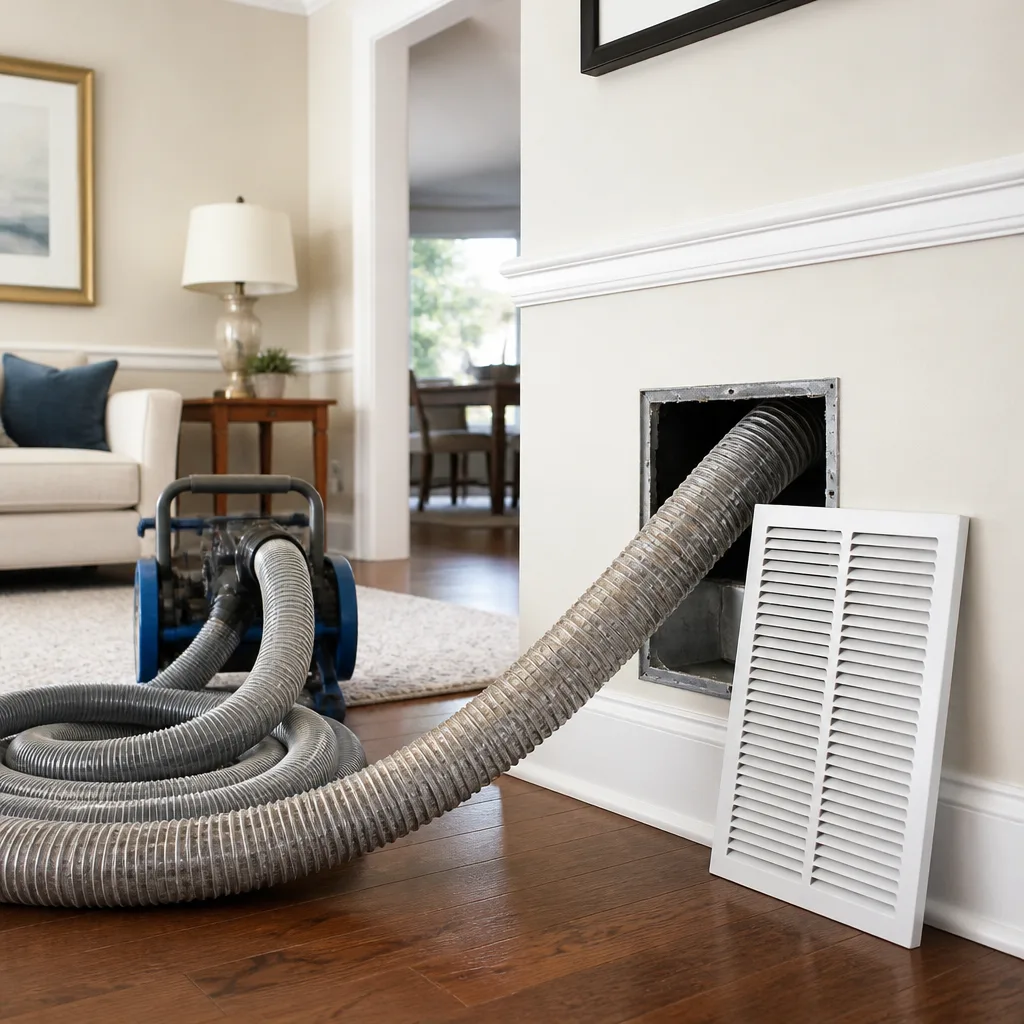 Whole-home duct cleaning
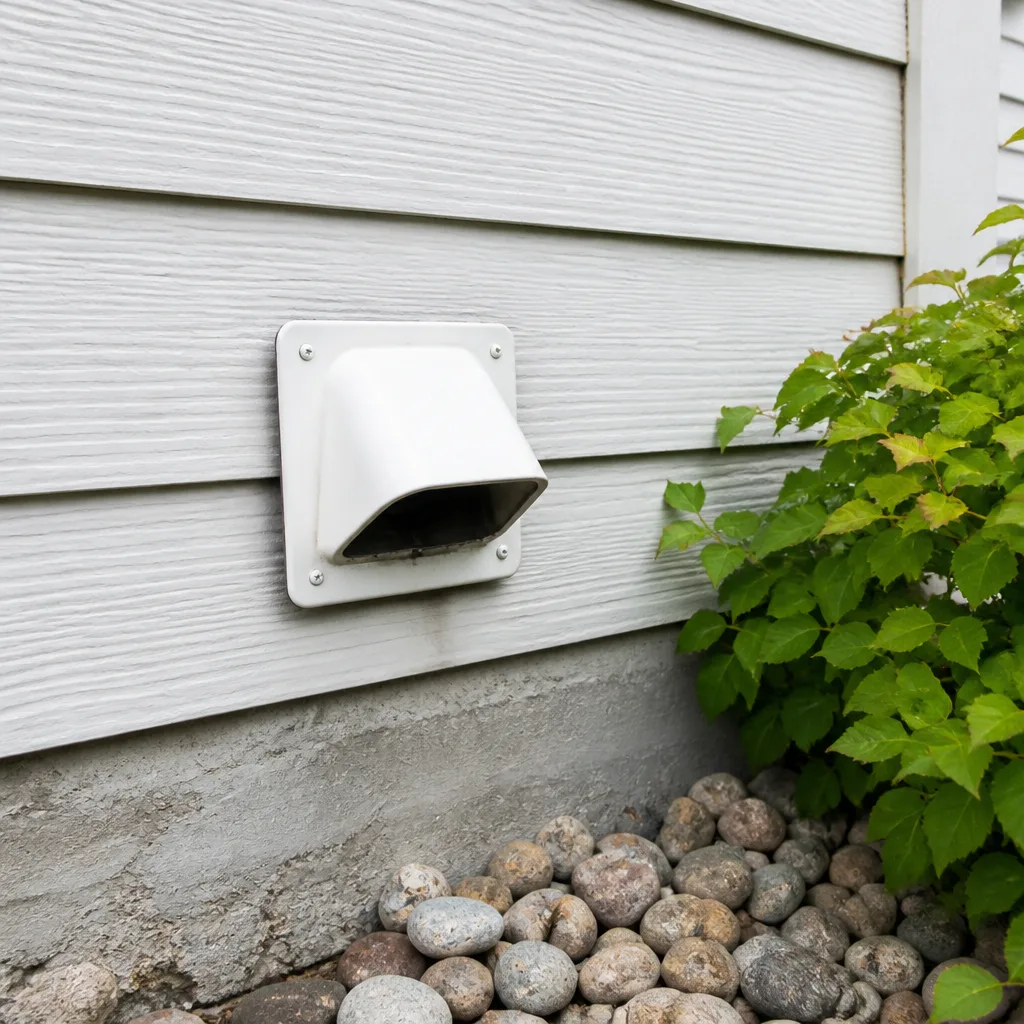 Dryer vent cleaning
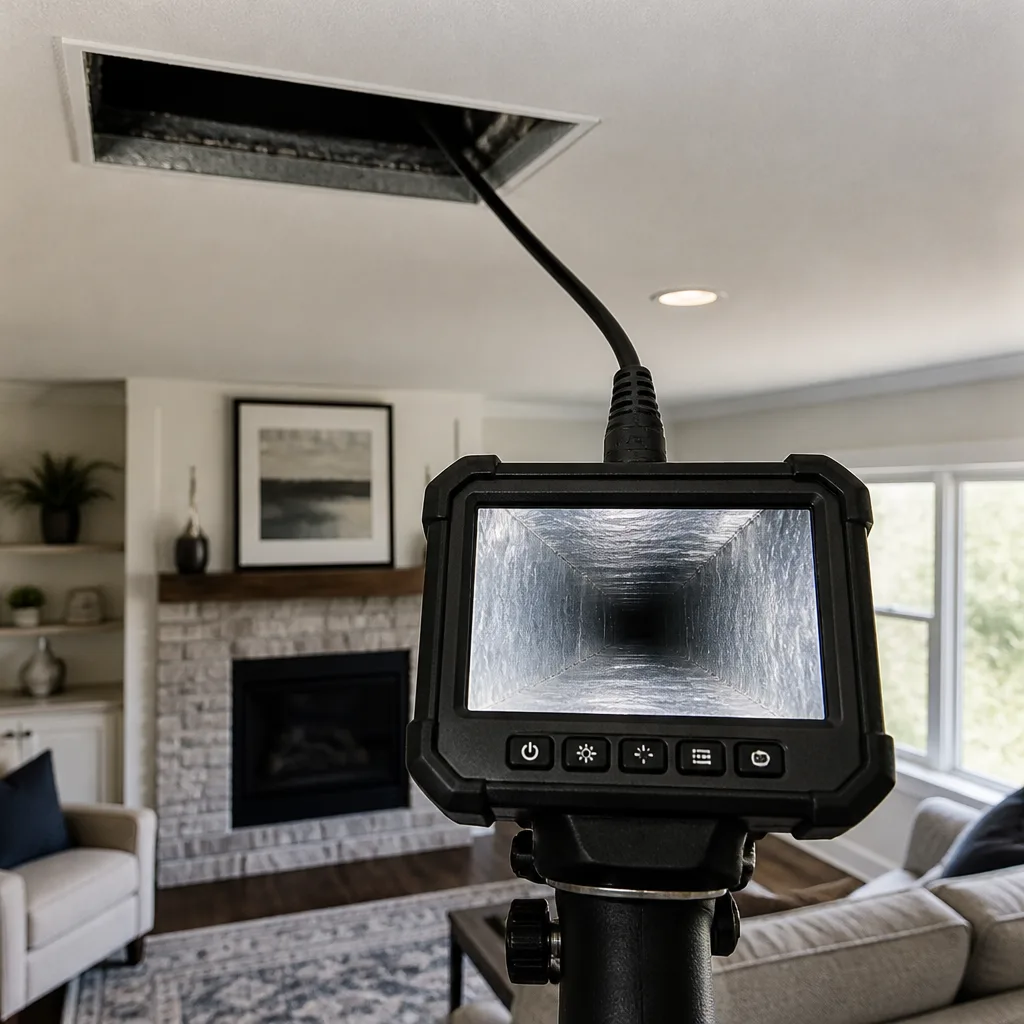 Camera inspection
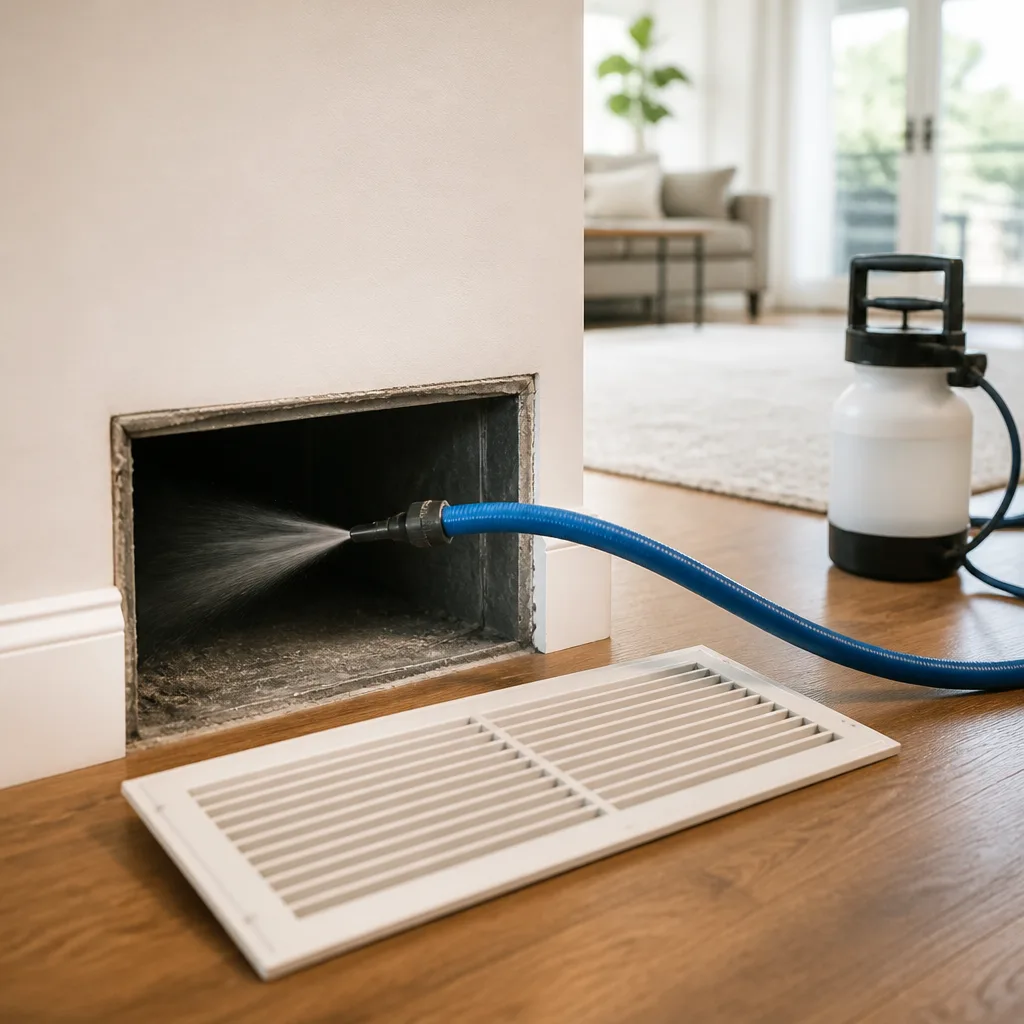 Sanitizing & deodorizing
Whole-system duct and dryer vent check with before-and-after photos - you see exactly what came out of your vents
That "$99 whole-house special" is a bait ad - the real number appears once they are in your hallway, or the "clean" is a shop-vac at the register. We photograph the inside of your ducts before and after instead.
How to Hire an Air Duct Cleaning Contractor in Thornton: A Step-by-Step Guide
Colorado does not require an air duct cleaning license, which means the person quoting a low teaser price for a whole-house clean and the person deploying a truck-mounted Rotobrush system are legally indistinguishable on paper. That single fact reshapes the entire hiring decision. There is no state credential to check, no exam to verify, no governing board to call. The filter has to be you, and it has to happen before anyone walks through your door in Thornton. This guide turns that interview into a repeatable process: the equipment questions to ask, how to read a NADCA claim versus a real membership, what a legitimate scope-of-work document looks like line by line, and the red flags that should end the conversation. Read it once, keep it open while you compare bids, and you’ll sidestep the bait-and-switch traps that define this Thornton market.
Quick Answer
To hire an air duct cleaning contractor in Thornton, verify the contractor’s equipment (not just the price), confirm NADCA membership directly rather than trusting a claim, and demand a written scope of work that itemizes which components are included and which cost extra. Ask for before-and-after photos of your own system and insist on one flat price per system agreed before work starts. A legitimate contractor answers equipment and scope questions without hesitation; an evasive one is telling you something. Call (888) 845-7534 for a free estimate.
Styles & brands we work with
- Whole-home duct cleaning
- Dryer vent cleaning
- Camera inspection
- Sanitizing & deodorizing
Table of Contents
- Why Thornton’s Unlicensed Market Changes How You Hire
- The Five Equipment Questions to Ask Before Scheduling
- How to Verify NADCA Membership vs. a Claim
- What a Legitimate Scope-of-Work Document Should Itemize
- Red Flags Specific to Low-Bid Thornton Entrants
- How to Compare Two Legitimate Bids
- What Thornton’s Climate Does to Duct Systems
- The Ten-Minute Phone Interview
Why Thornton’s Unlicensed Market Changes How You Hire
Colorado does not issue an air duct cleaning license at the trade level. That is not a loophole; it’s the actual regulatory reality, and it applies to every company working in Thornton, from the one-person operation with a shop vac to a full-service contractor with contractor-grade gear. Because no license separates them, the burden of due diligence lands entirely on you. The barrier to entry is essentially a phone number and a willingness to show up.
This matters more in a growing northern suburb than it might elsewhere. Thornton’s mix of older established neighborhoods and newer construction means the housing stock varies widely, and so does the duct work inside it. A contractor who’s genuinely equipped for that range will talk about it. A low-bid entrant will talk about price and nothing else.
Here’s the practical upshot: you cannot outsource the vetting to a state agency, so build your own filter. The rest of this guide is that filter. It’s designed to disqualify, not just to inform. Every question below has a wrong answer that should end the conversation before you book. For a fuller picture of what a properly scoped whole-system job looks like, see our air duct cleaning page.
One more thing about the unlicensed reality: it means claims are cheap. Anyone can print “NADCA certified” on a van or say “we follow industry standards” on a phone call. The only defense is to verify directly and to ask questions specific enough that a pretender can’t bluff through them. That’s what the next section does.
The Five Equipment Questions to Ask Before Scheduling
Equipment is the clearest window into capability, because you either own the gear or you don’t. These five questions are designed so that a vague answer is itself the answer. A contractor with real equipment names it without prompting. One without it deflects to price, to “we’ve been doing this a long time,” or to a promise to “get the job done right.”
- “What source vacuum and agitation equipment do you use?” Listen for named systems. Contractor-grade rotary brush and vacuum technology, like Rotobrush, is purpose-built for duct interiors. A shop vac is not, no matter how powerful the marketing.
- “Do you use HEPA-level filtration and containment?” Proper containment and HEPA-level particulate capture, the kind of capability Abatement Technologies equipment provides, is standard in remediation work. If the contractor can’t describe how dust is contained during cleaning, dust ends up in your living room.
- “How do you handle rotary brush agitation versus air-only cleaning?” Both have a place, but a real contractor knows which surfaces need mechanical agitation and can explain why.
- “Can you clean around and service premium IAQ equipment?” If you have Honeywell or Aprilaire systems in the home, the answer must be yes. A contractor unfamiliar with these can void warranties or damage components.
- “What does your before-and-after documentation look like?” Photos of your own ducts, taken inside the system, are the standard. A refusal here is disqualifying.
What a vague answer signals: usually that the contractor either doesn’t own the equipment or doesn’t understand it well enough to describe it. Neither is who you want inside your ductwork. In our experience, a technician who works with this gear daily can explain it in plain language in thirty seconds.
Why consumer Equipment Falls Short
A shop vac pulls debris toward a filter, not through a sealed system. Professional cleaning requires negative pressure maintained across the whole system while agitation loosens what’s adhered to duct walls. That’s a two-part machine: a vacuum strong enough to hold the system under negative pressure and an agitation tool that reaches surfaces. Consumer gear does one or the other, often neither well. This is the difference between surface-level air movement and genuinely removing what’s in your ducts.
How to Verify NADCA Membership vs. a Claim
NADCA, the National Air Duct Cleaners Association, maintains a member directory you can search yourself. The distinction that matters: a company that is a member appears in that directory. A company that merely “follows NADCA standards” has no verifiable listing, because following a standard is a self-description, not a credential. Both phrases sound similar. Only one can be checked.
Membership also implies something about the operation. NADCA membership commits a company to a defined standard of care and to ongoing education, and members are expected to use equipment consistent with the standard. That doesn’t guarantee a perfect job, but it’s a floor, and a floor you can verify independently is worth more than any badge on a website.
How to Check in Two Minutes
- Ask the contractor, in writing, for their NADCA member number or the name under which they’re listed.
- Open the NADCA directory yourself and search that name.
- Confirm the listing is current, not lapsed.
- If the contractor claims membership but you can’t find them, treat it as a claim, not a membership.
This one step eliminates a surprising number of low-bid entrants in the Thornton market, because a directory listing can’t be faked. If a contractor can’t pass this check, the rest of the interview is moot. For property managers comparing multiple bids, it’s the fastest way to shrink the shortlist.
What a Legitimate Scope-of-Work Document Should Itemize
A real scope of work is a line-item contract, not a one-line quote. It should tell you exactly which components get cleaned, how, and what isn’t included. The purpose is to make the price comparable and to prevent the “that’ll cost extra” surprise once the technician is on site. Ask for this document before scheduling. A contractor who can’t produce one is telling you the price is flexible.
Here’s what a properly itemized scope includes, line by line:
Included Components
- Supply and return duct runs, named explicitly
- Registers, grilles, and diffusers (removed, cleaned, reinstalled)
- The air handler or furnace cabinet interior
- Main trunk lines and branch runs
- Evaporator coil area (cleaned, not serviced as HVAC repair)
- Blower compartment
Line-Itemed Extras
- Dryer vent cleaning, if applicable (often quoted separately, and it should be named because it addresses a genuine residential fire hazard)
- Duct repair and sealing of disconnected or leaking joints
- Sanitizing treatment of duct interiors
- Access panel installation if none exists
The full-system approach matters here. Cleaning, repair, sealing, and sanitizing under one roof means a contractor who discovers a disconnected run mid-job can fix it rather than pointing you toward a second company. Ask whether the bidder offers all of these, or only cleaning. Our HVAC cleaning page describes how the equipment side is handled when it’s part of the job.
Red Flags Specific to Low-Bid Thornton Entrants
The low end of any unlicensed market builds its margins on removal, not cleaning. That means fewer questions, less equipment, and a price that expands once the visit begins. These are the tells, specific to what you’ll encounter comparing bids in Thornton.
- No physical address. A phone number and a website aren’t a location. A legitimate operation can give you a verifiable business address. If the address doesn’t resolve to anything real, you have no recourse if things go wrong.
- Cash-only payment. Cash leaves no transaction record and no paper trail. It also means you can’t dispute a charge or prove what you paid.
- Refusal to provide before-and-after photos. This is the single clearest disqualifier. If they won’t show you what came out of your ducts, they may not have done the work.
- An itemized price only after the technician arrives. The price should be written before work starts, not revealed mid-job.
- Talking about price before talking about equipment. Hard sell on the fee, silence on the tools.
- No mention of containment or filtration. Cleaning without containment is redistribution.
- Pushing a sanitizing add-on before the ducts are even inspected. Sanitizing is a real service, but it’s not a substitute for cleaning, and it should come after, not instead of.
A contractor who trips even one of these usually trips several. Don’t negotiate with a red flag; move on.
How to Compare Two Legitimate Bids
When both contractors use professional equipment, quote different prices, and pass every check, the comparison is no longer about disqualification. It’s about scope. A higher bid may cover more components, include repair, or include a sanitizing step the lower bid doesn’t. Comparing the total without comparing the line items is how people end up overpaying for one bid and under-serviced by the other.
Structure the comparison this way:
- Normalize the scope. Lay both scopes side by side. Are both cleaning registers and grilles? Both doing the blower compartment? One might list ten components and the other six.
- Check the equipment tier. Both use professional gear, but does either use containment and filtration as standard? Ask what changes if a disconnected duct is found.
- Compare what happens to problems. A bid that includes repair and sealing versus one that only cleans is a different job, even if both start with the word “cleaning.”
- Ask what’s missing. Direct question: “What’s not in this quote that you’d normally recommend?” The answer reveals what might become an upcharge mid-job.
- Weigh the documentation. A contractor who commits to before-and-after photos is committing to prove the work. That’s worth weighing.
When the scopes are truly equivalent and the only variable is price, the higher bid is usually the one with more equipment behind it. When the scopes differ, the lower price may be for less work. Price without scope is a number, not a bid.
What Thornton’s Climate Does to Duct Systems
Thornton sits in the Front Range basin, and that geography shows up in your ductwork. The local climate brings dry, dusty wind, significant swing between seasons, and temperature extremes that push the heating and cooling system to cycle frequently. That cycling matters for ducts: every cycle pulls air through the system, and repeated cycles over years carry fine dust into the runs, where it collects. In a place that sees strong wind events, that dust load builds faster than it might in a wetter climate.
None of this means every Thornton home needs cleaning on a fixed schedule. It means the air inside the system is doing real work, and the system earns its keep. When that system begins to underperform, the cause is often discoverable: a disconnected run in a crawl space, a leaking joint at a trunk, a filter that hasn’t been changed. Our Thornton Air Duct Cleaning Pros team works in this climate, and we know what accumulates in systems here.
If your home has a dryer vent that runs a long distance to an exterior wall, that’s also climate-adjacent. Lint builds up over the same cycles, and dry conditions do nothing to reduce the fire hazard lint represents. That’s why dryer vent cleaning is a named service rather than an afterthought. It’s part of the same whole-home mindset.
The Ten-Minute Phone Interview
You can run the entire filter over the phone in about ten minutes, before anyone schedules a visit. Here’s the sequence, and what each answer tells you.
Step 1: Verify the basics (2 minutes)
- Do you have a verifiable business address?
- Are you listed in the NADCA directory, and under what name?
- How do you take payment? (Cash-only is a stop sign.)
Step 2: Probe the equipment (3 minutes)
- What source vacuum and agitation equipment do you use?
- Do you use HEPA-level filtration and containment?
- Can you handle Honeywell or Aprilaire systems if they’re part of the setup?
Step 3: Pin down scope (3 minutes)
- Which components are included in the base price?
- Which cost extra?
- What happens if you find a disconnected duct?
- Will I get a written scope before the visit?
Step 4: Confirm documentation (2 minutes)
- Do you provide before-and-after photos of my own ducts?
- Is the price fixed per system before work starts?
How the answers are delivered matters as much as what’s said. A contractor fluent in these questions answers quickly and without checking with anyone. Hesitation, deflection to price, or a promise that it “depends” on everything is your signal. Our technicians have up to 11 years of experience answering these exact questions, and their comfort with them is how you’ll know.
Common Mistakes to Avoid
- Booking on price alone. A low teaser figure doesn’t reflect the whole-system scope, and it often expands after arrival. Compare scopes, not numbers.
- Accepting an NADCA claim without checking. “We follow NADCA standards” and “we’re listed in the NADCA directory” are different statements. Only the second is verifiable, and only the second tells you something.
- Not asking for the written scope upfront. Without a line-item scope, you can’t tell a fair bid from a thin one, and you have no protection against mid-job upcharges.
- Skipping the photographs. Before-and-after photos of your own ducts are the only proof the work happened. A refusal to provide them is a reason to walk away.
- Assuming sanitizing replaces cleaning. Sanitizing treats duct interiors after cleaning; it doesn’t remove debris. Beware anyone who leads with it before inspection.
- Ignoring the dryer vent. In a Thornton home with a long dryer vent run, lint buildup is a documented fire hazard, not a maintenance inconvenience. It deserves its own attention.
- Hiring whoever shows up first. The unlicensed market rewards speed of contact. Take the ten minutes to run the phone interview; it costs you nothing and can save the whole project.
See the difference
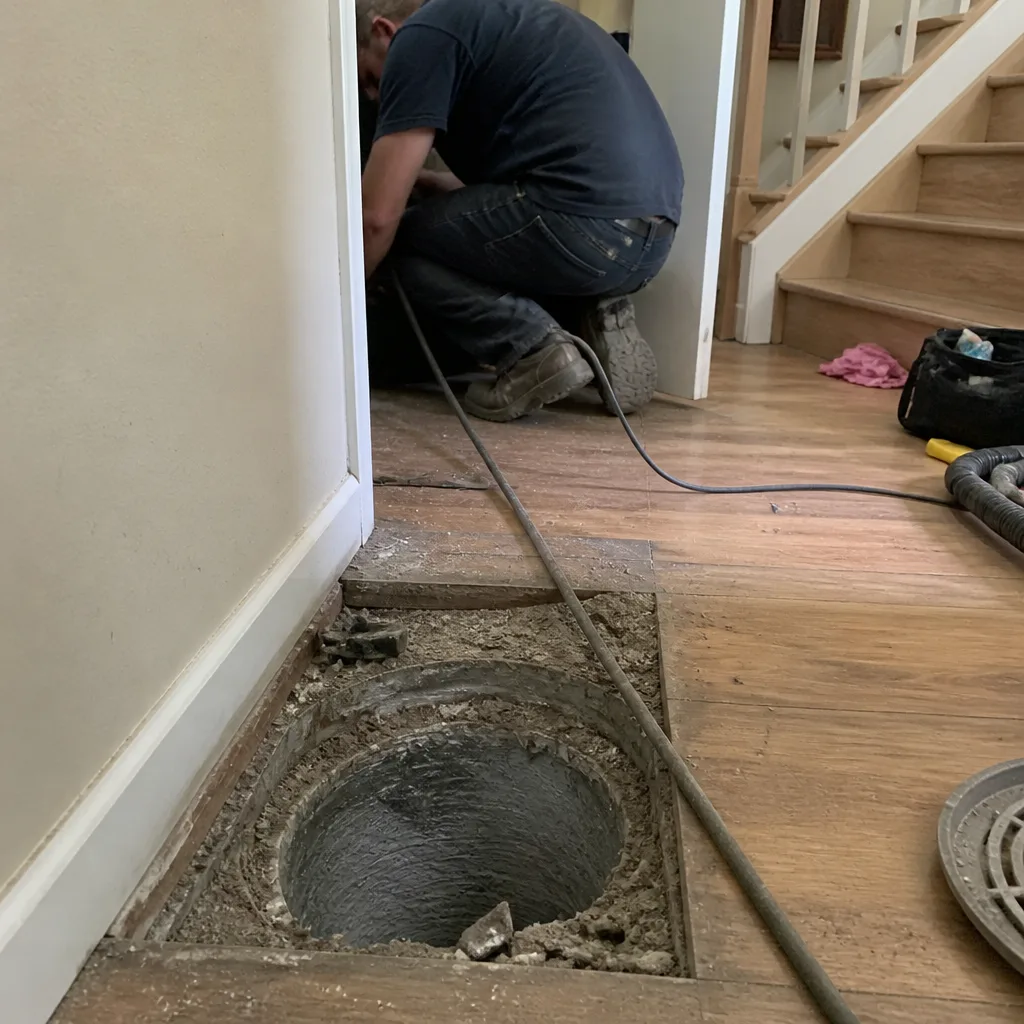 Before
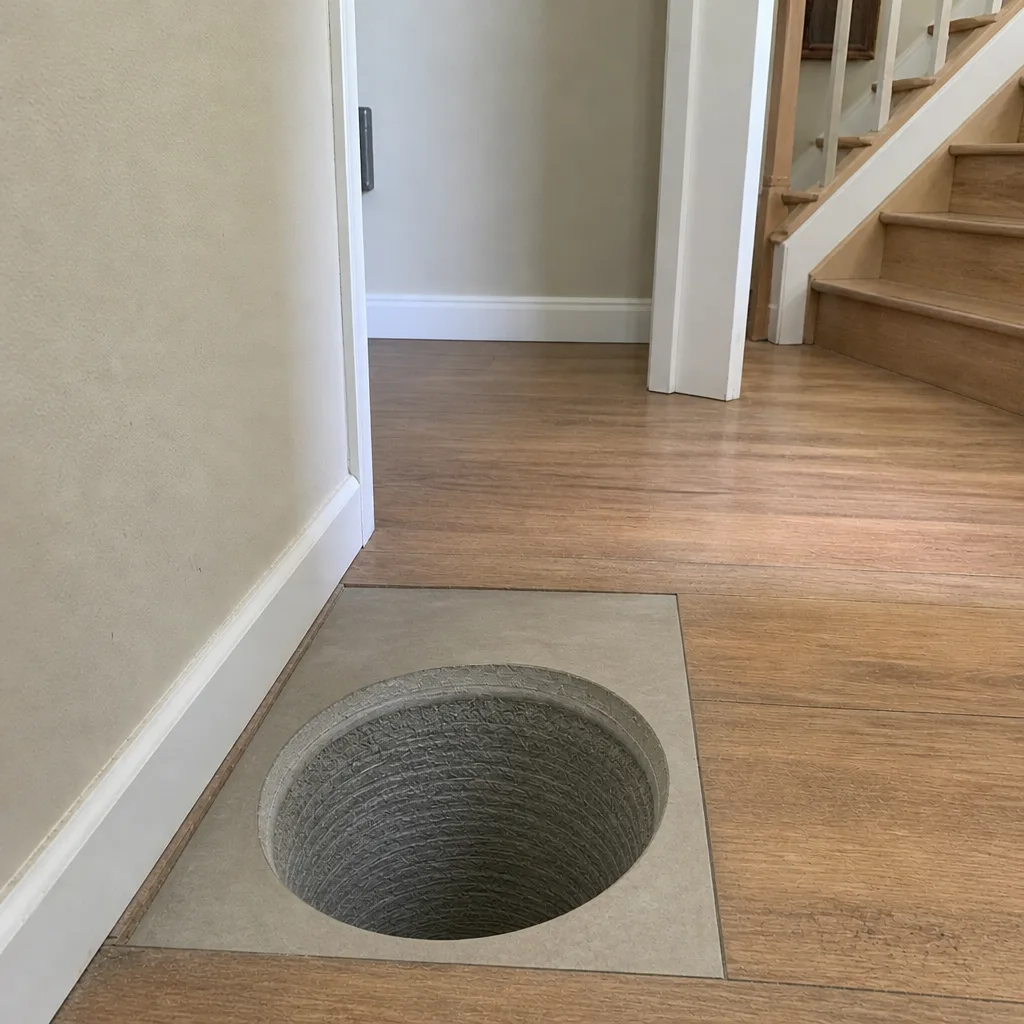 After
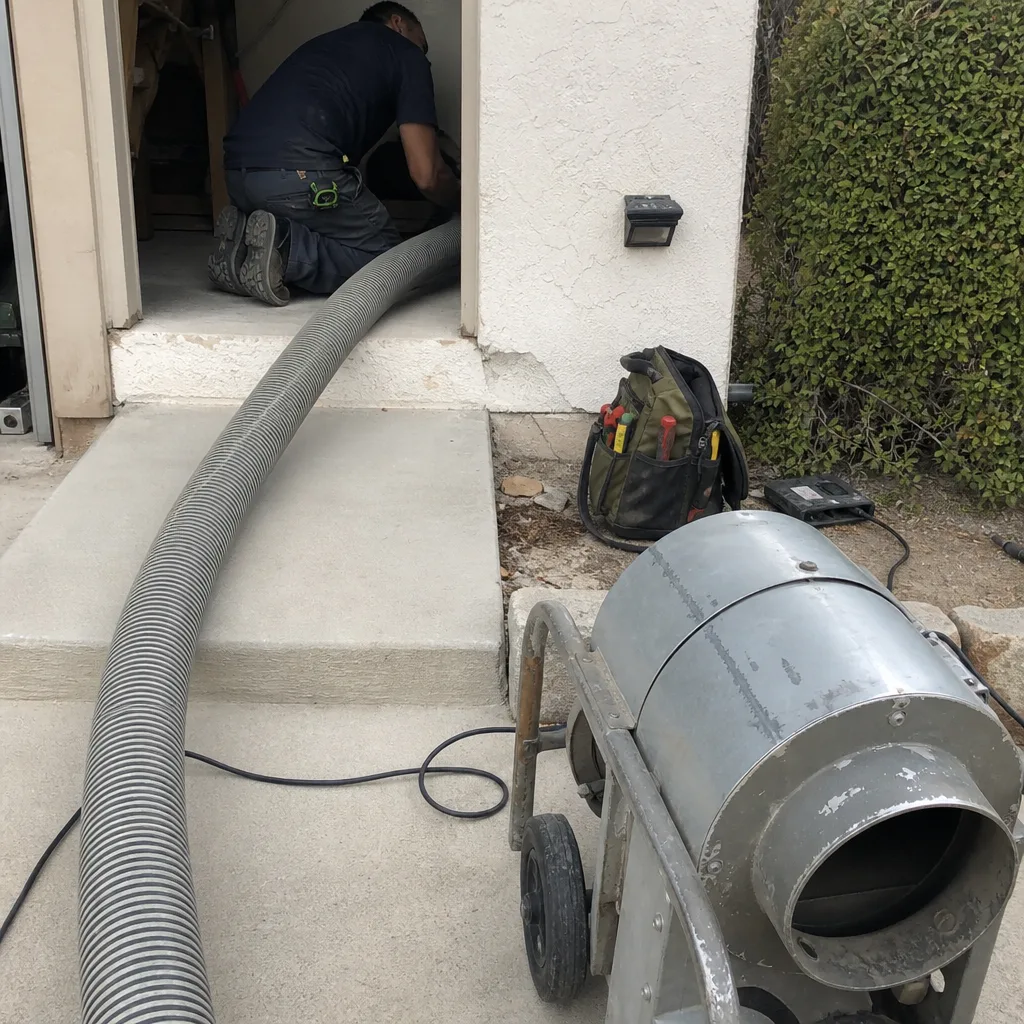 Before
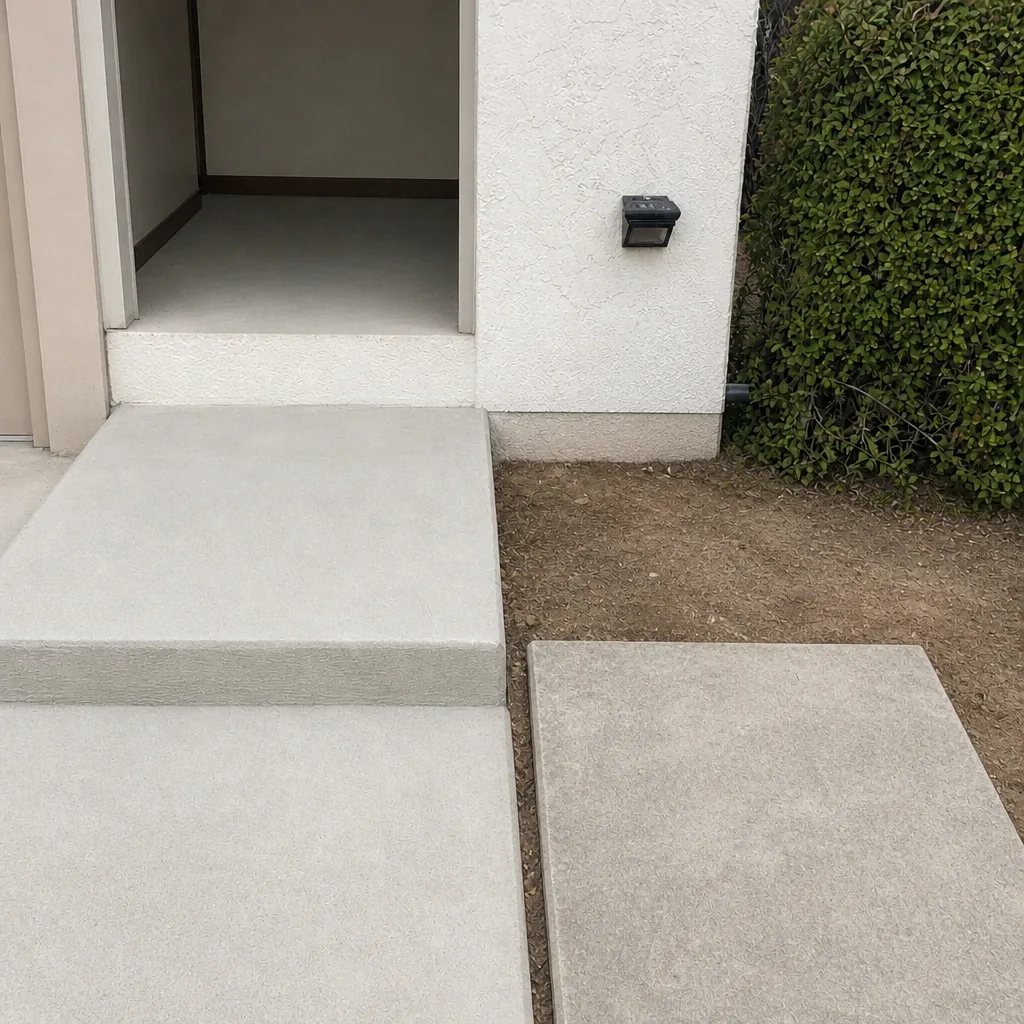 After
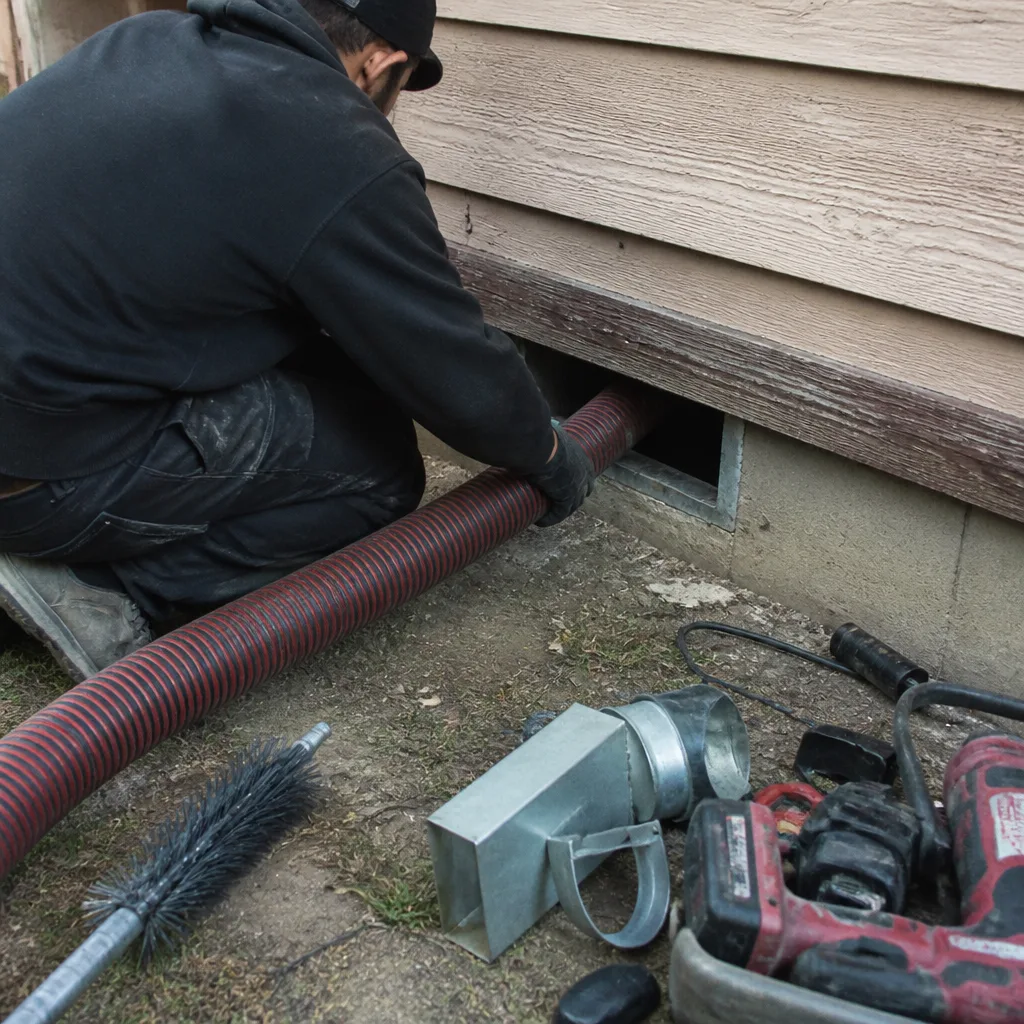 Before
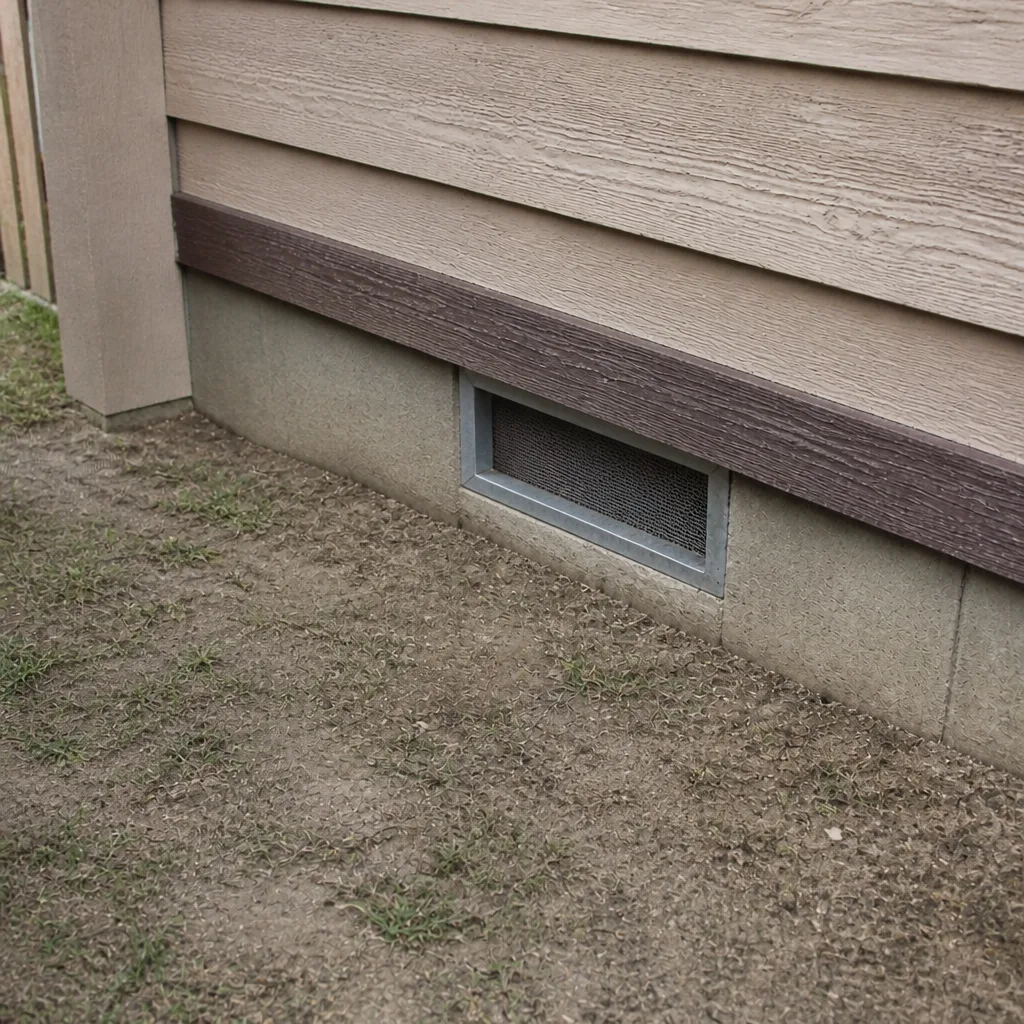 After
When to Call a Professional
Some duct situations are clearly beyond routine maintenance. A system that’s been drawing noticeably more dust into rooms, visible debris at the registers, musty odors when the system runs, or rooms that don’t hold their temperature despite filter changes all point to work worth hiring out. A disconnected duct or damaged joint on a trunk line needs repair and sealing, and that’s not a consumer task. Dust in the return plenum or a clogged dryer vent are the same: they require proper containment and filtration to remove without spreading the problem.
Thornton Air Duct Cleaning Pros offers free estimates in Thornton, with the price set per job by the written estimate. Call (888) 845-7534. We answer 24/7. Fast dispatch from 7am to 7pm, Sunday through Friday.
Frequently Asked Questions
Colorado does not issue a state air duct cleaning license at the trade level, so there’s no license to check. That means your filter has to be equipment questions, NADCA directory verification, and a written scope of work, not a credential. If you can’t verify equipment or membership independently, treat the claim as unverified. Call (888) 845-7534 for an exact quote – estimates are free.
Because pricing is per job by written estimate, the honest answer depends on your system: the number of runs, whether ducts need repair or sealing, and whether sanitizing is included. Be cautious of a flat teaser figure that expands once the technician arrives; a real bid itemizes the scope first. The written estimate sets the final price, and estimates are free. Call (888) 845-7534.
Cheaper quotes usually reflect a narrower scope or lower-tier equipment, not a bargain. A quote with no containment, no itemized components, and a refusal to provide before-and-after photos is missing portions of the job, and the difference often surfaces as an on-site upcharge. Ask what’s included line by line before comparing totals. Call (888) 845-7534 for a written scope.
You know because the contractor shows you before-and-after photos of your own ducts, taken inside the system. That’s the proof standard, and it’s why we treat documentation as part of the job. A contractor who refuses photos is withholding the only evidence you can check. Call (888) 845-7534 to schedule with a team that documents its work.
It matters because it’s verifiable. NADCA maintains a member directory you can search yourself, so a membership claim can be checked in minutes while a “we follow NADCA standards” claim cannot. Membership also commits a contractor to a standard of care. Verify directly rather than trusting a badge or a phone statement. Call (888) 845-7534 with any questions before you book.
Often yes, especially if your dryer vent runs a long distance through a wall or attic. Lint buildup is a documented residential fire hazard, and it accumulates quietly. Having it cleaned alongside duct work is a practical way to cover the whole-home picture in one visit. Call (888) 845-7534 – estimates are free.
The Bottom Line
Thornton’s unlicensed duct cleaning market means the hiring decision rests entirely on your ability to ask the right questions. Verify equipment by name, check NADCA membership in the directory rather than trusting a claim, and require a written scope that itemizes what’s included and what’s not. Watch for the low-bid tells: no verifiable address, cash-only payment, refusal to provide before-and-after photos. When two legitimate bids differ in price, compare scopes before totals. Run the ten-minute phone interview every time, and the filter does the rest.
Thornton Air Duct Cleaning Pros provides residential and commercial air duct cleaning, dryer vent cleaning, HVAC cleaning, duct repair and sealing, and air quality sanitizing. We work with contractor-grade equipment from Rotobrush, Nikro, and Abatement Technologies, and we service and clean around Honeywell and Aprilaire systems without voiding warranties. Call (888) 845-7534 for a free estimate. We answer 24/7. Fast dispatch from 7am to 7pm, Sunday through Friday.
Written by the team at Thornton Air Duct Cleaning Pros.