
Last updated November 23, 2026
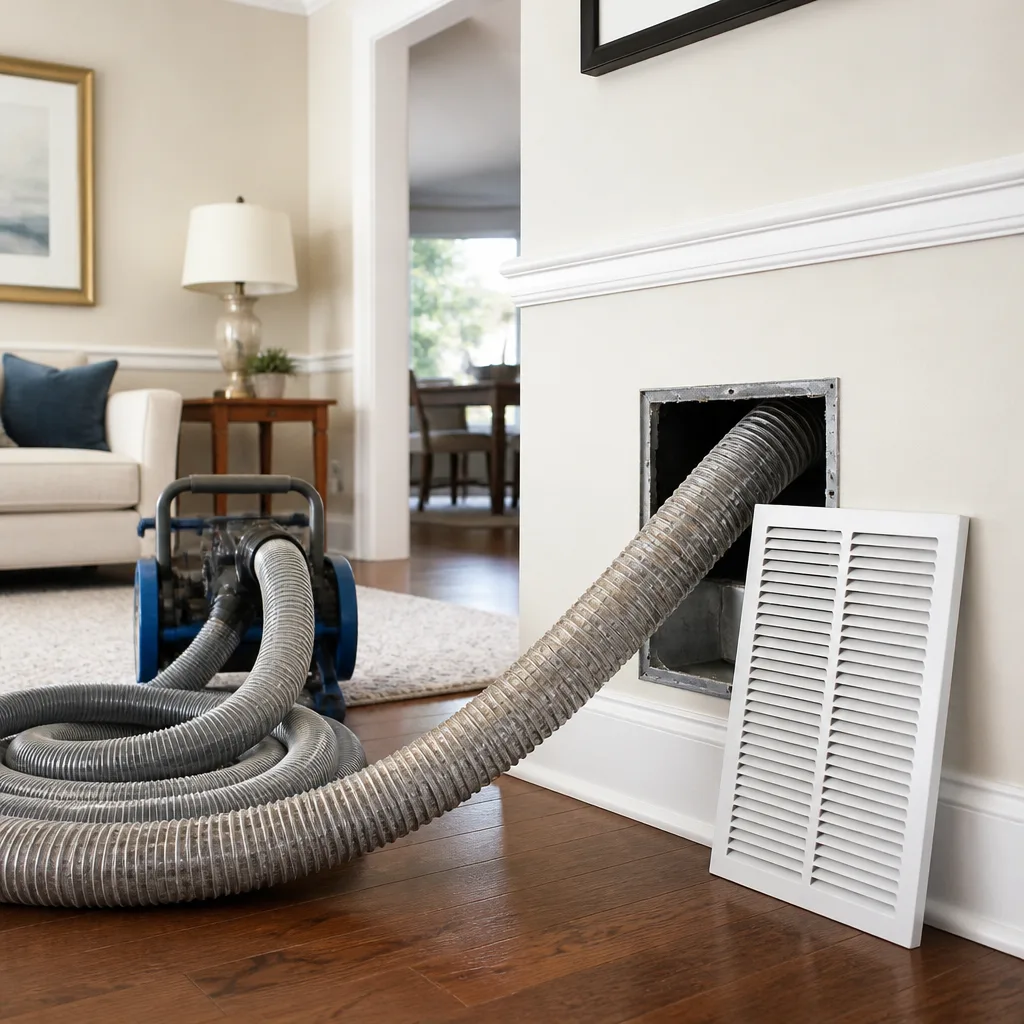 Whole-home duct cleaning
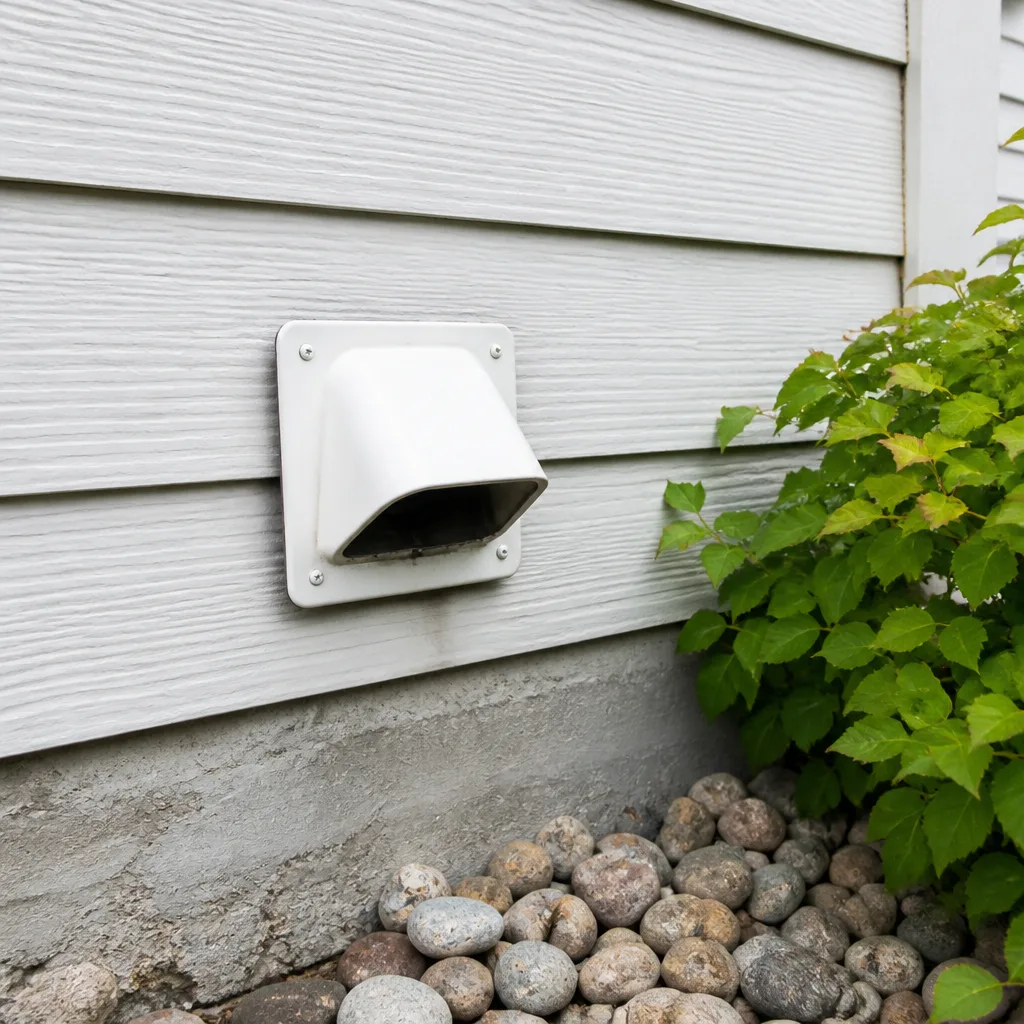 Dryer vent cleaning
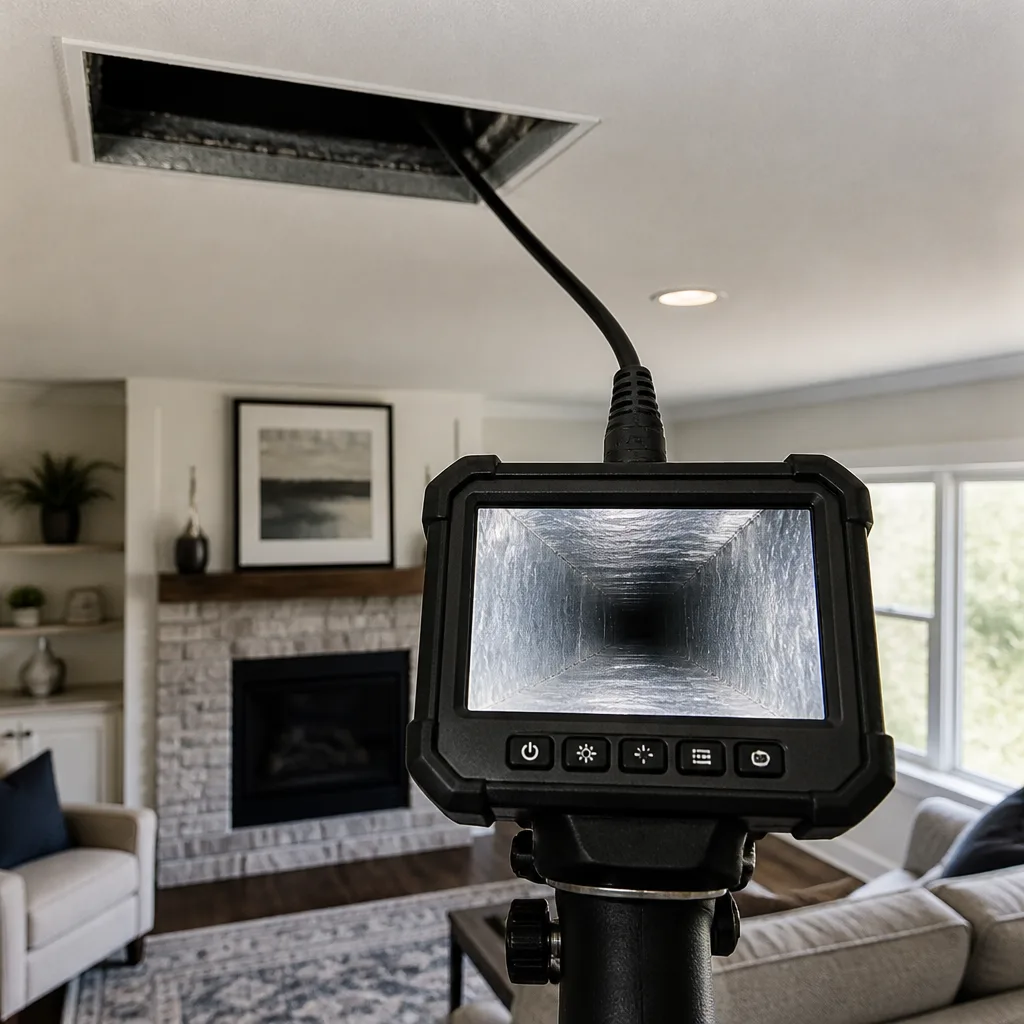 Camera inspection
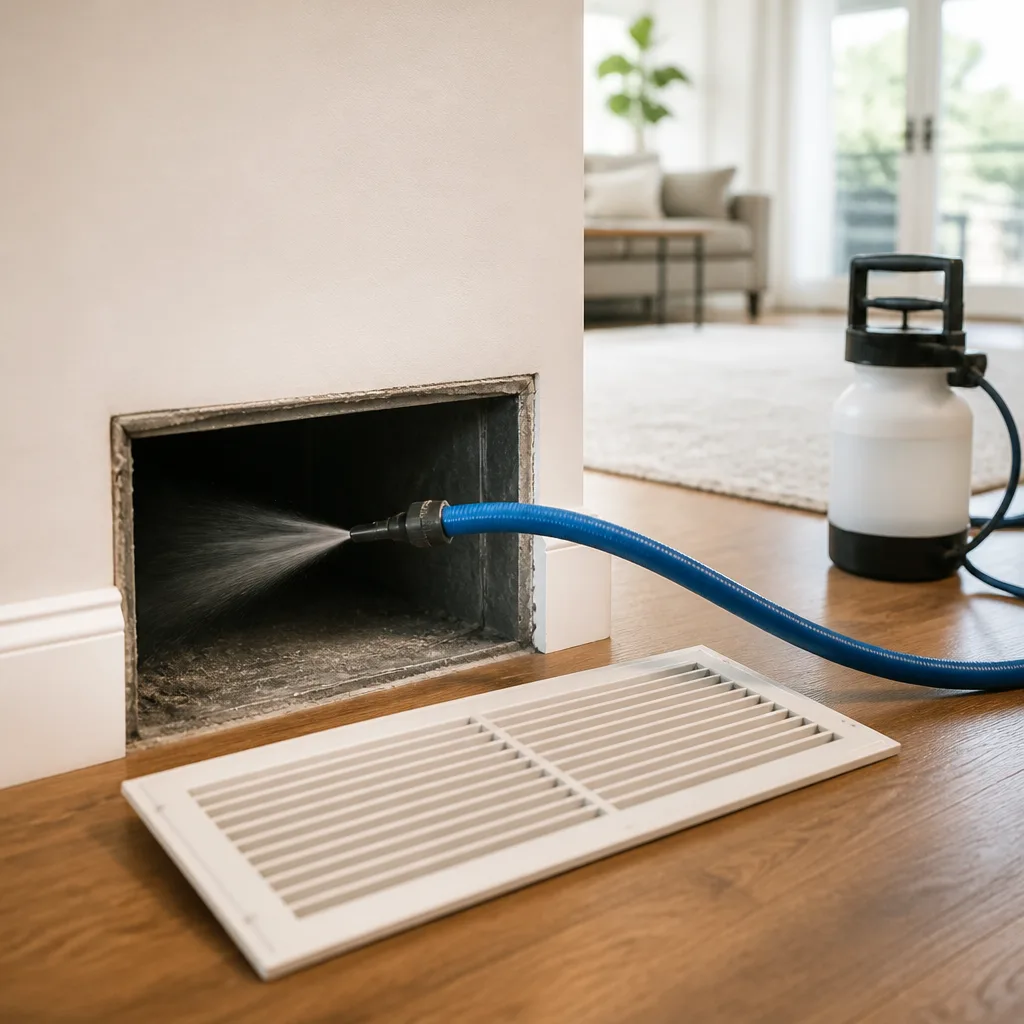 Sanitizing & deodorizing
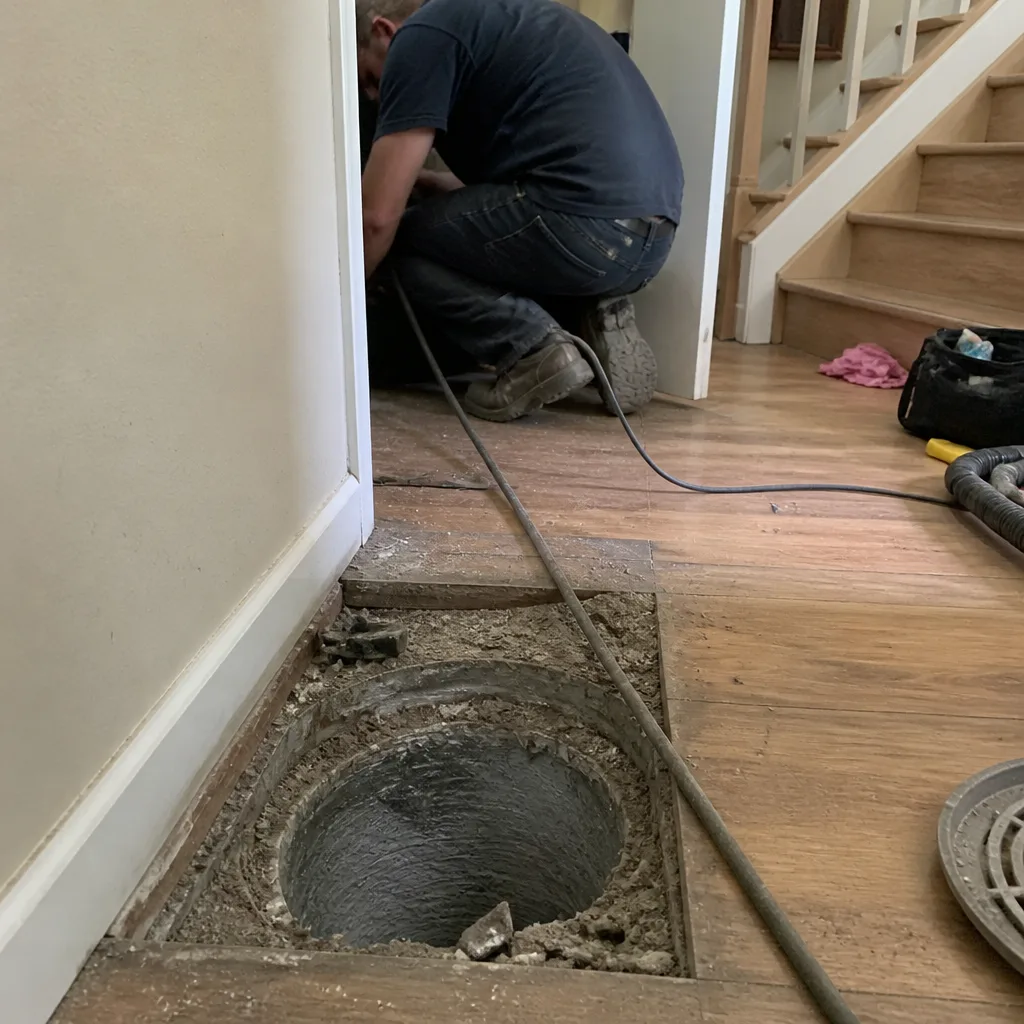
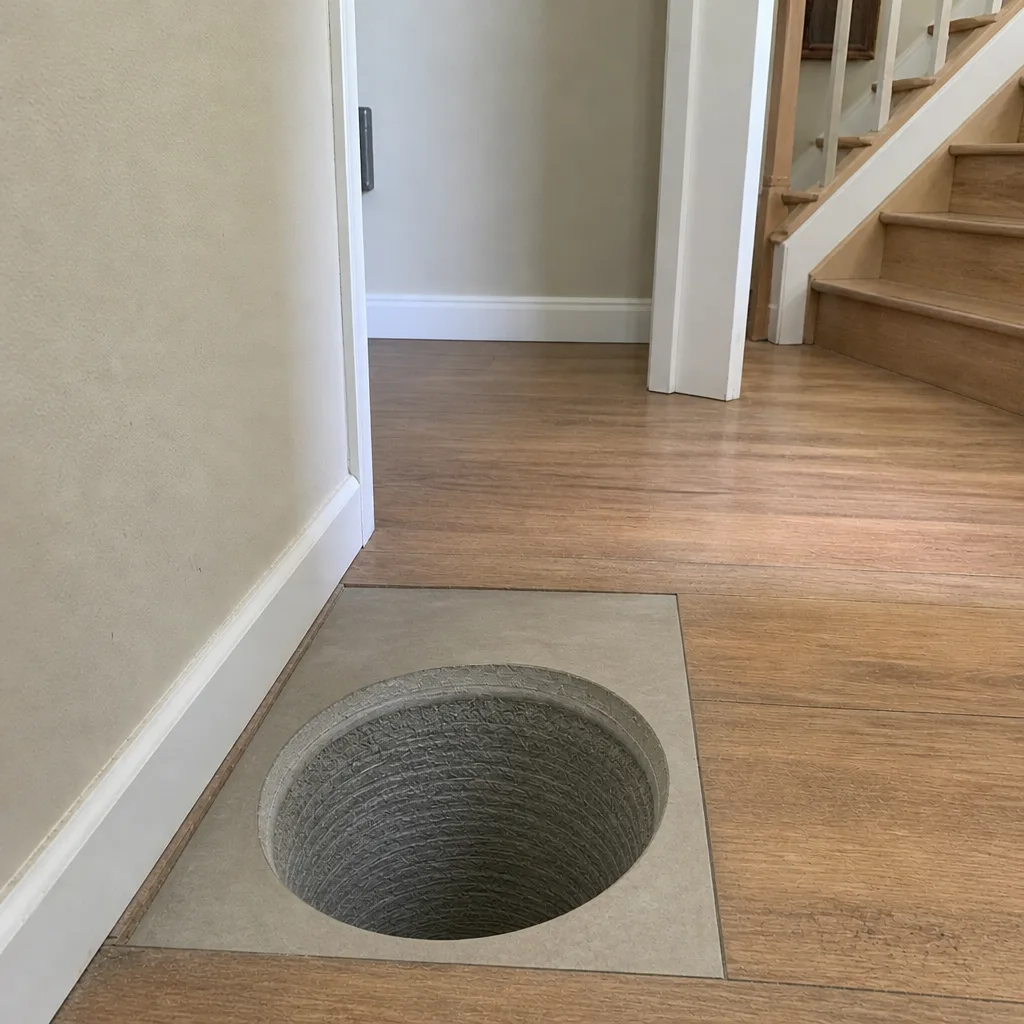
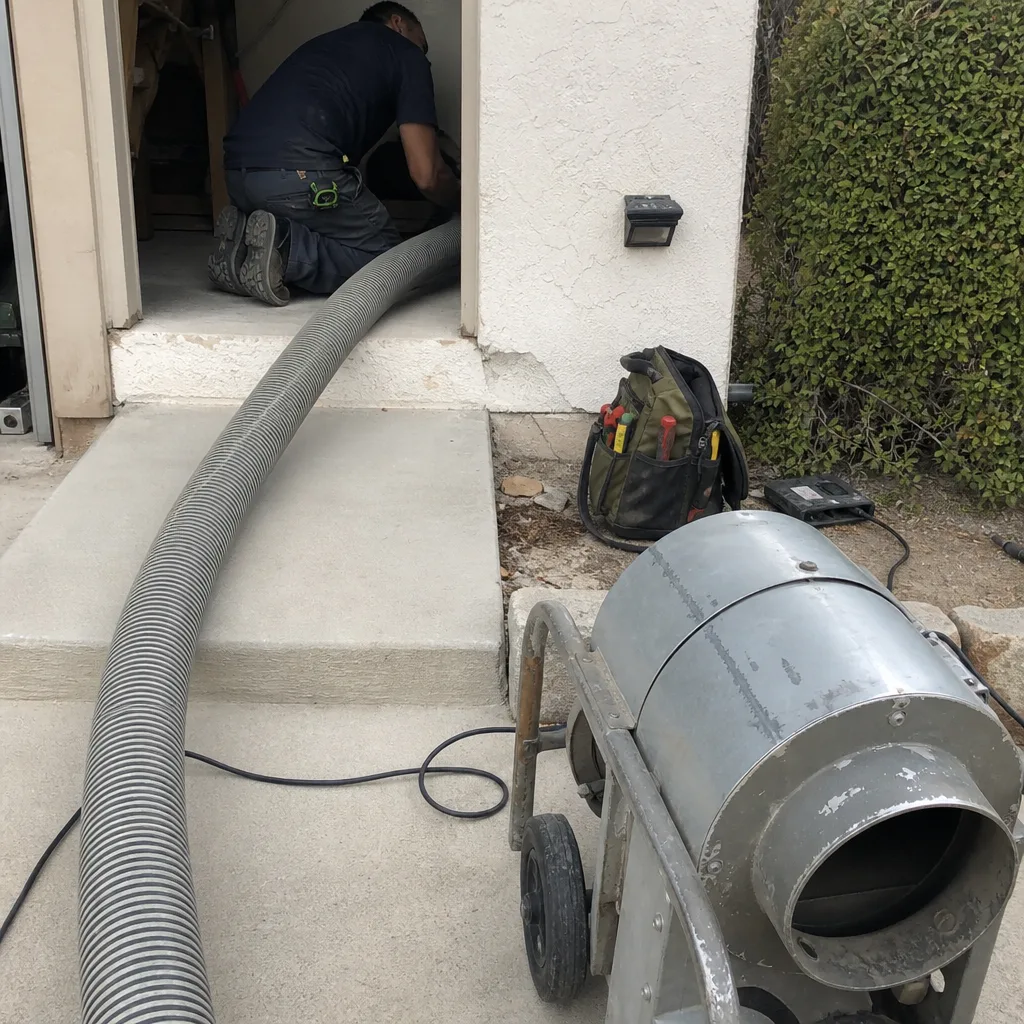
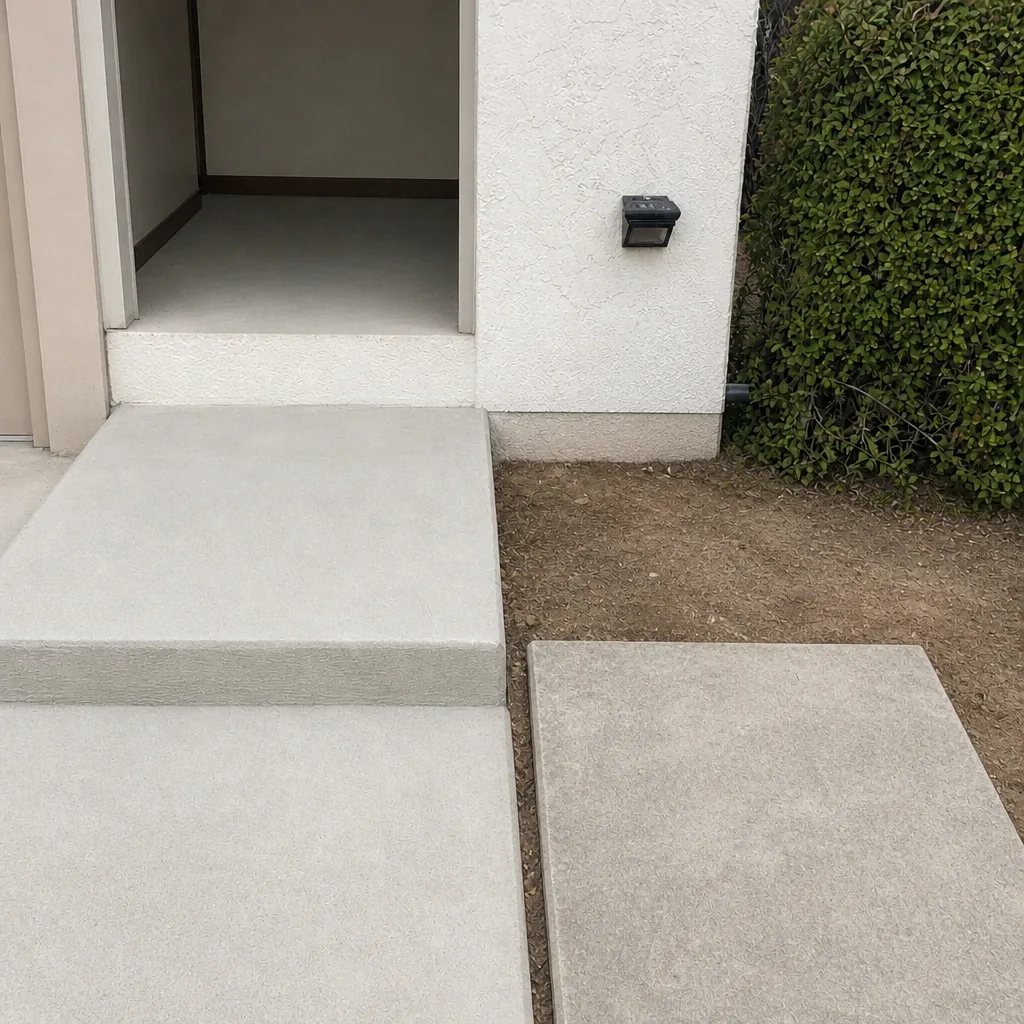
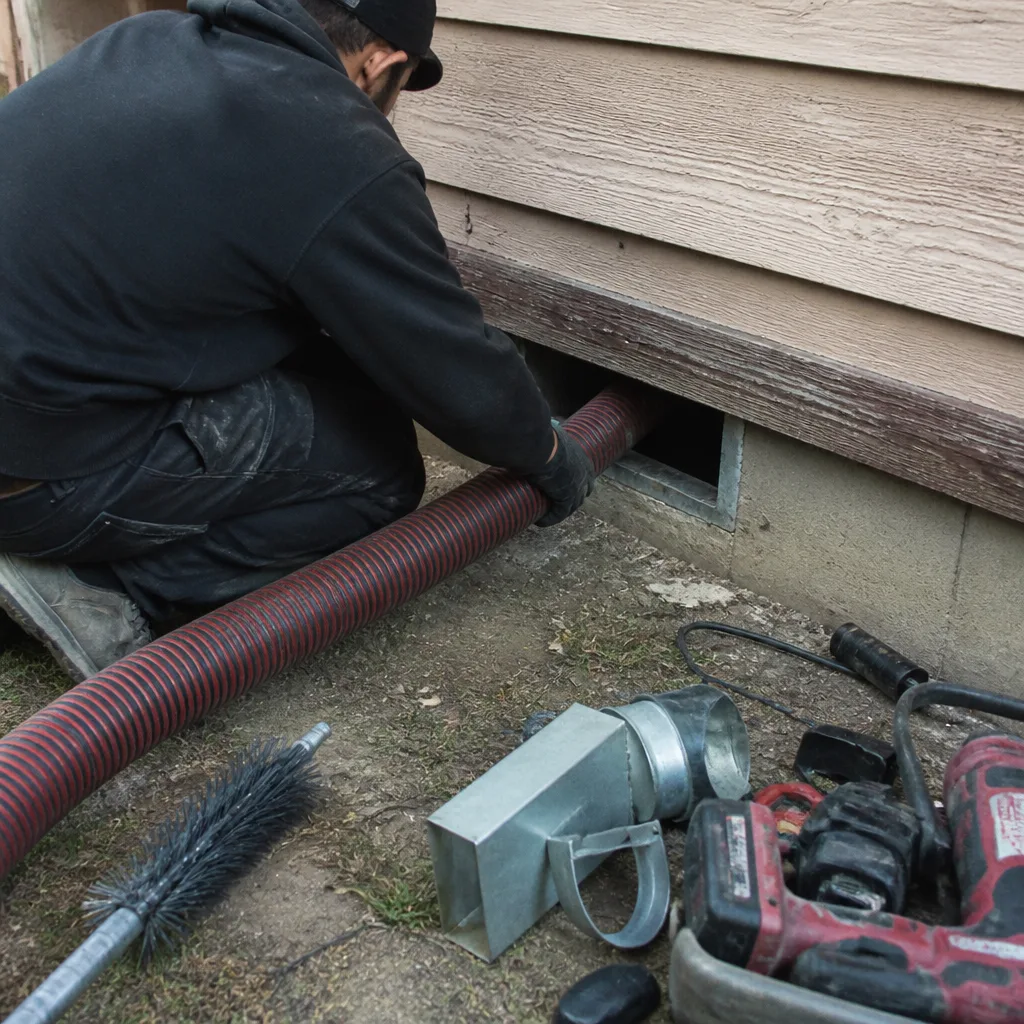
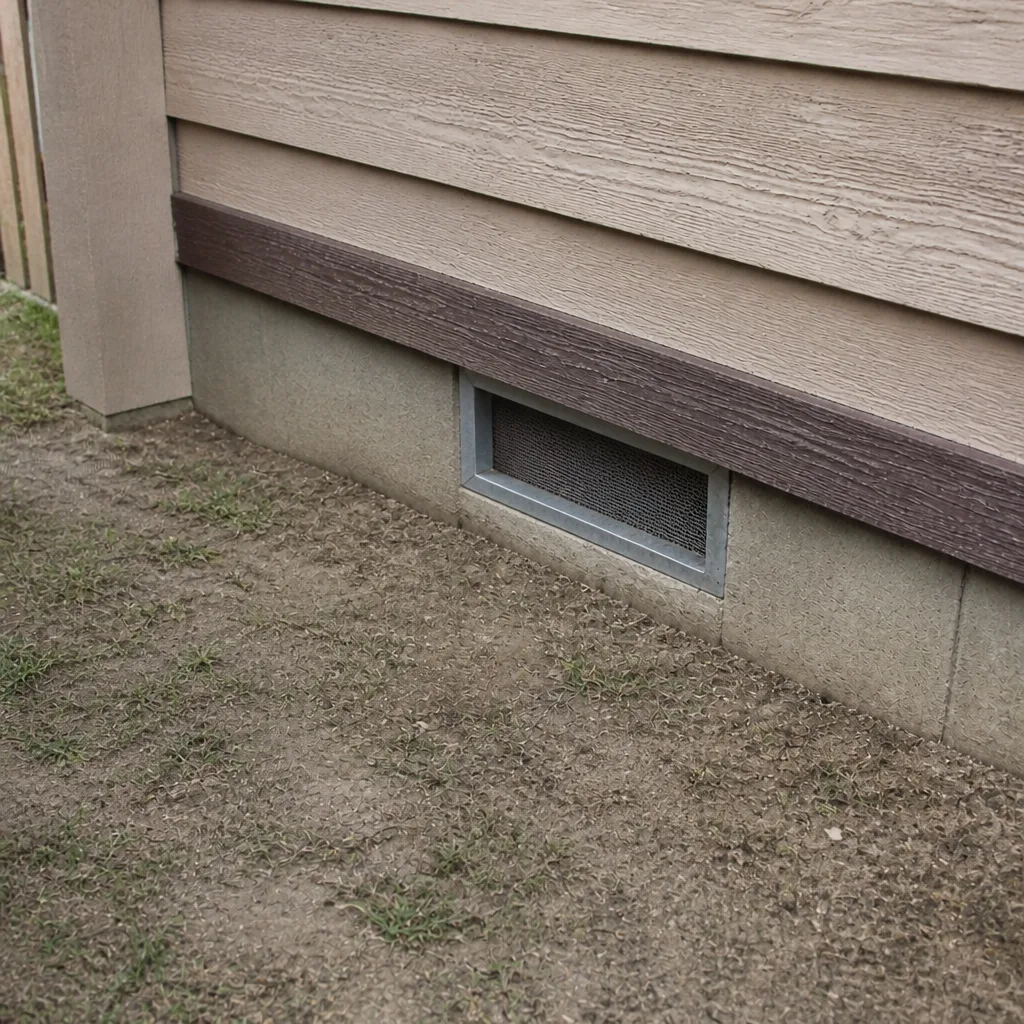
Whole-system duct and dryer vent check with before-and-after photos - you see exactly what came out of your vents
That "$99 whole-house special" is a bait ad - the real number appears once they are in your hallway, or the "clean" is a shop-vac at the register. We photograph the inside of your ducts before and after instead.
Air Duct Cleaning Cost Breakdown: The Thornton Homeowner’s Reference for 2026
Two ads sit on the same search results page in Thornton. One offers duct cleaning for $99. The other quotes $900 and up. Most homeowners read that gap as a markup problem – one company is gouging, the other is honest. That reading is wrong. Those two numbers aren’t pricing the same job. The $99 ad prices a few accessible vents and a shop-vac pass. The $900 quote prices a whole-house system cleaned to standard, sealed, and documented. The uncomfortable part: plenty of Thornton homeowners paying $400 in the middle get neither. This guide breaks the real price into line items so you can tell which job you’re actually buying.
Quick Answer
A whole-house duct cleaning in Thornton for a typical 2,400 sq ft home with a gas furnace and central AC runs roughly $450 to $750 when performed to the industry’s recognized cleaning standard. Simple single-system homes at the low end of that band pay around $350 to $450; homes with two systems, heavy debris loads, or extensive flex duct land between $750 and $1,100. The written scope of work, not the headline number, is what determines whether the price is fair.
Table of Contents
- What does each part of the job actually cost?
- Why square footage is the wrong way to price ducts
- Why your Thornton quote came in higher than average
- Which add-ons are worth the upcharge and which aren’t
- How a written scope stops job-day surprises
- The equipment question behind every price
- How to verify the work was really done
- Common mistakes to avoid
What does each part of the job actually cost?
A legitimate duct cleaning estimate reads like a scope of work, not a single number on a coupon. Each part of the system carries its own cost because each takes time, equipment, and containment. Here’s how the line items typically break out in the 2026 Thornton market.
- Base system clean (main trunk, supply and return runs): $280 to $420. This is the core of the job – source removal of debris using rotary brush equipment and negative pressure.
- Return plenum cleaning: $60 to $120. The large return cabinet often holds the heaviest dust load in the whole system and is frequently skipped on cheap bids.
- Air handler cabinet cleaning: $80 to $150. Cleaning the cabinet around the blower without touching components requires care; some companies omit this entirely.
- Dryer vent add-on: $90 to $180 depending on run length and vent type. A separate service with a separate safety purpose.
- Sanitizing treatment: $100 to $250 for whole-system fogging. Only meaningful after a thorough physical clean.
- UV or air purification installation: $350 to $900 for equipment and install. This is an upgrade, not a cleaning.
- Duct repair and sealing (if needed): quoted separately per linear foot or per connection once the breach is found.
The base lines above assume a single furnace and a single AC system. The moment a home has two systems – common in some of Thornton’s larger two-story builds and basement finishes – the base clean doubles in scope, not just in price. A fair quote itemizes which system it’s cleaning and what happens at each register.
Notice what isn’t in that list: a per-vent charge. Per-vent pricing is the industry’s biggest bait-and-switch lever, because the definition of a “vent” shifts once the technician is on site. A whole-system price agreed in writing is the only number that stays stable.
Why square footage is the wrong way to price ducts
Square footage measures the floor you walk on. It says almost nothing about the duct system above it. Two Thornton homes of identical size can have completely different duct runs – one with wide trunk lines and short taps, the other with long, twisting flex runs to twelve registers. The second takes meaningfully more time, more negative pressure, and more equipment to clean to the same standard.
What a contractor actually needs to quote accurately:
- Duct count: how many supply registers and how many returns, room by room.
- System configuration: one furnace, two furnaces, zoned systems, or a heat pump.
- Duct material: rigid sheet metal versus flex duct versus a mix – flex needs careful pressure handling.
- Age and condition: visible debris, disconnected joints, or sagging flex runs.
- Access points: whether each run can be reached without cutting new access ports.
- Recent renovation activity: drywall dust and construction debris change the cleaning load entirely.
When you call a company, giving them these six facts up front does two things. It gets you a quote that reflects your actual system rather than a size-based guess, and it immediately reveals which companies know what to ask. A contractor who only wants to hear square footage is pricing your home like a coupon, not a system.
For a deeper walkthrough of what a professional clean involves register to register, our guide to air duct cleaning explains the process step by step.
Why your Thornton quote came in higher than average
Sometimes a high quote is honest. In Thornton specifically, three situations legitimately push price above the typical range, and none of them are upselling.
- Older flex duct that needs careful negative pressure management. Flex duct is thin-walled and can collapse or tear under too much suction. Cleaning it properly means controlling negative pressure at every tap – slower work, more monitoring, and a higher quote. A crew that skips that step saves time and risks damaging the very duct they’re cleaning.
- Two-system homes. A second furnace means a second air handler, a second plenum, a second trunk. It’s not one job done twice; it’s two separate cleanings with two containment setups.
- Post-renovation debris loads. Drywall dust, wood shavings, and construction fines settle deep in the returns and coat every run. This takes the cleaning from routine to heavy-duty, and any honest estimate should reflect that.
There’s a fourth factor worth flagging even though it isn’t unique to Thornton: containment. Companies with real negative-air capability – the kind of equipment used in remediation work, like Abatement Technologies systems – hold the dust in a sealed filtration path instead of blowing it into the room. That capability costs the contractor money, and it’s a legitimate part of a higher quote. It’s also the difference between cleaning a system and stirring it up.
Which add-ons are worth the upcharge and which aren’t
Add-ons are where a $500 job becomes a $1,200 job, and where the honesty of a bid is easiest to test. Some add-ons fix a real problem. Others pad a margin without improving the air you breathe in any measurable way.
Worth it:
- Dryer vent cleaning. This one isn’t a bonus – it addresses one of the leading causes of residential fires. Lint buildup in a dryer vent is a genuine safety risk, and it’s a separate system from the HVAC ducts. Our dryer vent cleaning page covers why it’s worth scheduling alongside a duct clean.
- Coil cleaning. A dirty evaporator coil makes your AC work harder for less cooling. Cleaning it directly supports system efficiency and pairs naturally with a full HVAC clean. See HVAC cleaning for what’s involved.
- Duct sealing after a clean. If the cleaning reveals disconnected joints or leaking seams, sealing them stops the problem from starting over. Fixing leaks in the same visit is efficient because the system is already open.
- Sanitizing after heavy contamination. When cleaning uncovers microbial growth or persistent odors, fogging the system after the physical clean is the logical follow-up. On a clean system, it’s optional.
Marginal:
- UV lights pitched as a total solution. UV can help with what’s on the coil and in the airstream it reaches, but it doesn’t clean ducts. It’s a supplement, not a replacement for source removal.
- “Enzyme treatments” on a low-debris system. If a home has no odor problem and no contamination found, a treatment is a line item without a problem to solve.
How a written scope stops job-day surprises
The most common complaint in this trade is a quote that grows once the technician is in the driveway. “We found more than we expected” is a line no homeowner should accept without a written scope to hold both sides to. Here’s how to structure one – and this is a standard any honest contractor will meet without friction.
- List every component being cleaned – each supply run, each return, the plenum, the air handler cabinet. Not “the system,” but the actual parts.
- State the standard being followed. NADCA’s ACR standard is the recognized benchmark for source removal. A contractor who names it is committing to a process.
- Itemize add-ons separately with their own prices, so you can decline one without renegotiating the whole job.
- Note what happens if extra damage is found – typically a change order with a new price you approve before work continues, not a verbal add-on.
- Include before-and-after photo documentation of your actual ducts, not stock images. This is your proof the work happened.
Once that scope is signed, “we found more” becomes a conversation about a specific, itemized change order – not a blank check. Any company that resists putting its scope in writing is telling you something before the truck ever arrives.
The equipment question behind every price
A lower price has to come from somewhere. Often it comes from the equipment. Consumer-level vacuums and shop-vac setups can’t generate the negative pressure or filtration a duct system needs, and they can redistribute dust through a home rather than remove it. That’s why the equipment behind a quote deserves as much attention as the number.
The crews we connect Thornton homeowners with work with contractor-grade systems built specifically for this job. Rotobrush and Nikro rotary brush and vacuum equipment are designed for source removal inside duct runs, not just surface wiping at the register. Abatement Technologies gear provides containment and high-efficiency particulate capture during the clean – the same kind of negative-air standard used in remediation work, which keeps dislodged debris out of your living space.
There’s also the matter of what your system already has in it. Homes with Honeywell or Aprilaire air quality equipment – humidifiers, media filters, in-line purifiers – need a technician who can clean around those components without damaging them or voiding a manufacturer’s warranty. Familiarity with those systems isn’t a sales line; it’s the difference between a clean job and a service call to your HVAC contractor afterward.
Equipment doesn’t have to be the deciding factor on its own, but when two quotes differ widely, it’s the first thing to ask about. A quote that names its equipment and its standard is easier to trust than one that only names a price.
How to verify the work was really done
If you can’t tell whether the ducts were cleaned, you can’t judge whether the price was fair. Here’s how to build proof into the job before it starts.
- Ask for before-and-after photos of your own ducts – the plenum and a representative run or two. A photo of a clean register that isn’t yours proves nothing.
- Watch the containment setup. Negative pressure with filtration should be visible during the work. If dust is settling in the room, the setup is wrong.
- Confirm the scope was followed by comparing the written list to what the technician actually cleaned – including the return plenum and air handler, which are the most commonly skipped components.
- Look for signs of a genuine source removal, not a surface pass. Registers should look clean, but more importantly the debris should be gone from the plenum and trunk, not just redistributed.
Asking for this up front also filters out the companies that can’t provide it. A contractor who expects to document the work won’t be surprised by the request.
Common Mistakes to Avoid
- Choosing on price alone. The lowest bid usually reflects a reduced scope, not a better deal – and you won’t know which vents or plenums were skipped until later. Compare itemized scopes, not bottom lines.
- Accepting a per-vent quote. Per-vent pricing invites scope creep the moment the definition of a “vent” shifts. Insist on a whole-system price in writing.
- Skipping the return plenum and air handler. These hold the heaviest debris load and are the first things a cheap job omits. Check that both are on the written scope.
- Booking a clean right after a renovation without mentioning it. Drywall dust changes the cleaning load entirely; tell the contractor so the quote reflects the real job.
- Treating UV lights or sanitizing as a substitute for cleaning. These follow a thorough physical clean; they don’t replace one. A treatment on top of a dirty system is money spent on the wrong fix.
- Overlooking the dryer vent because it’s “not the HVAC.” It’s a separate fire-safety system and worth cleaning alongside the ducts rather than forgetting it.
- Not keeping the written scope. Without it, there’s no baseline to compare the finished work against. Keep the itemized list and the photo documentation together.
When to Call a Professional
Some jobs are a judgement call; others are clear. Call a professional when you notice visible dust streaking out of registers, a musty or “dirty sock” smell when the system runs, unexplained increases in allergy-type symptoms indoors, or a noticeable drop in airflow and cooling. Call after major renovation work to clear construction debris from the returns. Call if the system has gone years without a clean, or if you’ve recently moved into a home where the previous owner’s maintenance is unknown. And call if you’ve never had the dryer vent cleaned separately from the ducts – it’s one of the most overlooked fire risks in a home.
Thornton Air Duct Cleaning Pros offers free estimates in Thornton – call (888) 845-7534. We answer 24/7. Fast dispatch from 7am to 7pm, Sunday through Friday. Our technicians have up to 11 years of experience, and every estimate is a written scope with a flat price per system agreed before work starts.
Styles & brands we work with
- Whole-home duct cleaning
- Dryer vent cleaning
- Camera inspection
- Sanitizing & deodorizing
Frequently Asked Questions
For a typical single-system home of around 2,400 sq ft, expect $450 to $750 for a whole-house clean done to the recognized standard. Simpler homes run $350 to $450, and two-system or heavy-debris homes run $750 to $1,100. Call (888) 845-7534 for an exact quote – estimates are free.
Cheap quotes almost always reduce scope – cleaning a few accessible vents instead of the return plenum and air handler cabinet, or using equipment that can’t generate real negative pressure. The number is lower because the job is smaller, not because the company is more efficient. Ask what’s itemized, then call (888) 845-7534 to compare a full-scope quote.
Require before-and-after photos of your own ducts – the plenum and a representative run – and a written scope that lists every component cleaned. A contractor who documents the job as standard practice will provide both without hesitation. Call (888) 845-7534 to book an estimate with those terms included.
Most homes in Thornton do well on a three-to-five-year cycle, but the honest answer depends on the home: pets, recent renovations, allergy sufferers in the house, and older flex duct all shorten the interval. A written scope from a technician who’s assessed your actual system is a better guide than a calendar rule. Call (888) 845-7534 for a free assessment.
No. The dryer vent is a separate system from your HVAC ducts and is usually added as a standalone service, typically $90 to $180. It’s worth scheduling because lint buildup in a dryer vent is a real fire risk, not a cosmetic issue. Call (888) 845-7534 to add it to a duct cleaning visit.
Not automatically. A higher price is only worth paying when it reflects a bigger or more careful scope – containment capability, careful handling of older flex duct, two-system coverage, or post-renovation debris. Compare the itemized scopes, not the totals. Call (888) 845-7534 and we’ll walk you through what a full-scope estimate includes.
The Bottom Line
The $99 ad and the $900 quote aren’t competing for the same work. One prices a slice of the job; the other prices the whole system done to a standard. The number you should care about is the one on a written, itemized scope, matched to your actual system – its duct count, configuration, material, and debris load. In Thornton, that number usually lands between $450 and $750 for a standard home, rises for two-system or post-renovation jobs, and stays honest when the scope lists each component rather than a per-vent guess. Two things worth doing regardless: keep the written scope, and don’t skip the dryer vent. When a quote is itemized, photographed, and agreed before work starts, the middle of the range stops being a guessing game.
Thornton Air Duct Cleaning Pros brings Rotobrush and Nikro equipment, Abatement Technologies containment, and familiarity with Honeywell and Aprilaire systems to every job, with cleaning, repair, sealing, and sanitizing handled as one connected scope. Call (888) 845-7534 for a free estimate. We answer 24/7. Fast dispatch from 7am to 7pm, Sunday through Friday, closed Saturday. The local pro is licensed and insured as their state requires, prices are set flat per system by the written estimate before work begins, and you get before-and-after photos of your own ducts.
For the full picture of what we do, visit Thornton Air Duct Cleaning Pros.
Written by the team at Thornton Air Duct Cleaning Pros.
See the difference
 Before
 After
 Before
 After
 Before
 After